
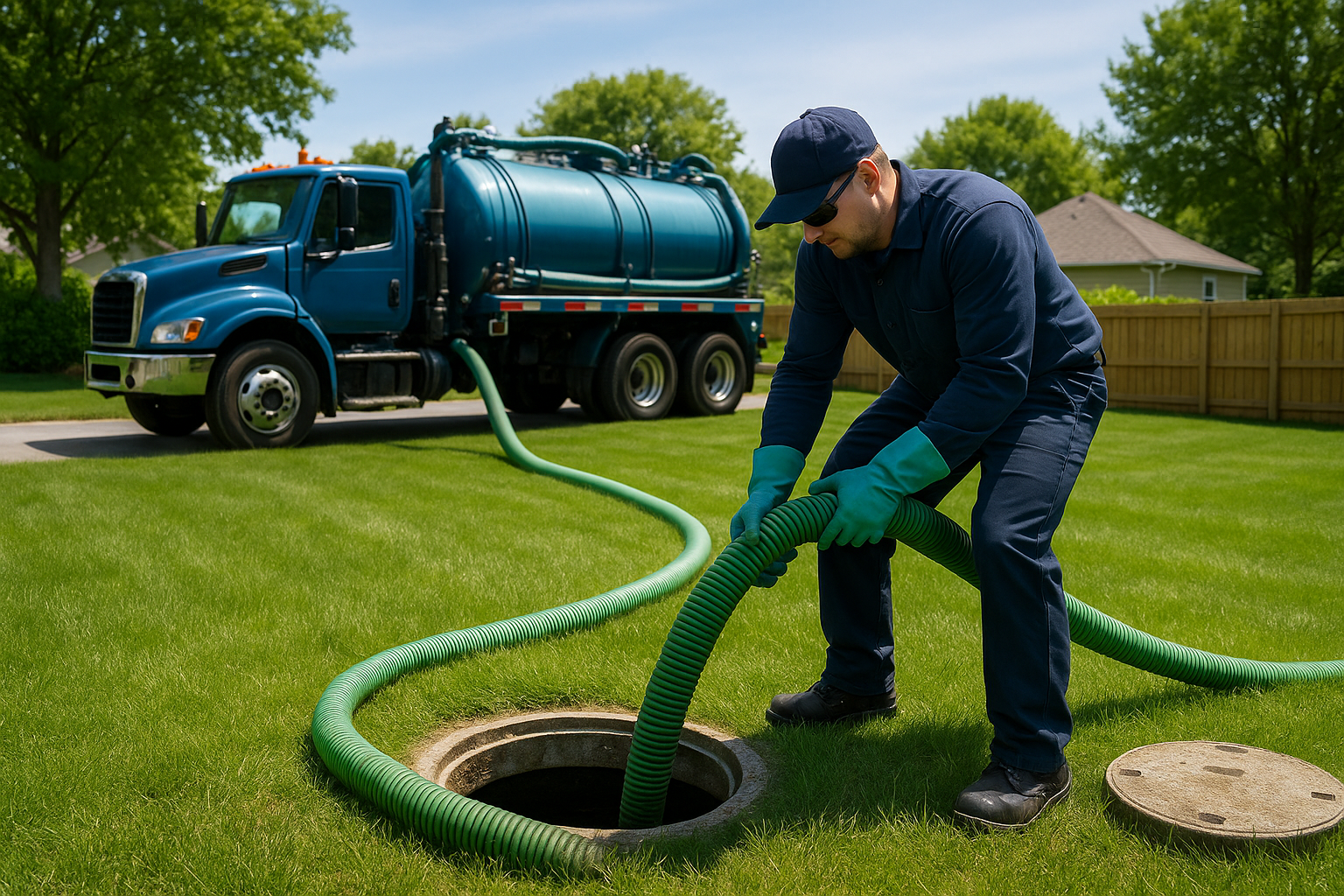
Few home maintenance tasks cause as much stress as an unexpected septic issue. When drains slow down or odors appear, homeowners often realize too late that pumping is overdue, and the first question becomes cost. Understanding septic tank emptying costs 2025 helps you avoid surprises and plan confidently for this essential service.
Septic systems quietly manage wastewater year after year, but they rely on routine pumping to stay functional. Ignoring maintenance can lead to backups, property damage, and repairs that cost far more than regular service. The good news is that septic tank pumping remains relatively affordable when planned in advance.
This guide explains the average cost to pump a septic tank in 2025, why prices vary, and how to reduce long-term expenses while protecting your home.
Understanding Septic Tank Pumping and Why Costs Are Rising
A septic tank separates solids from wastewater and allows liquids to drain safely into the soil. Over time, sludge and scum build up and must be removed. This process, known as pumping or emptying, prevents system failure and environmental contamination.
In 2025, several factors are driving higher septic tank pumping prices:
- Increased fuel and transportation costs
- Rising labor and insurance expenses
- Stricter environmental disposal regulations
- Higher demand for licensed septic professionals
While prices have increased, routine pumping is still far cheaper than emergency repairs or full system replacement.
Average Septic Tank Emptying Costs in 2025
Most homeowners want a clear number when asking “how much does it cost to pump a septic tank?” While prices vary by region, the following ranges reflect typical costs in 2025.
For a standard residential system, the average cost to pump a septic tank falls between $350 and $650. Smaller tanks on easy-to-access properties often sit at the lower end, while larger or hard-to-reach systems cost more.
On average:
- 1,000-gallon tank: $350–$500
- 1,250–1,500-gallon tank: $450–$650
- Larger systems or infrequent pumping: $650+
These numbers represent the average price to pump a septic tank under normal conditions without emergency surcharges.
What Affects the Cost of Septic Tank Emptying?
No two properties are identical, which is why septic tank pumping prices can vary significantly. Understanding the main cost factors helps you anticipate your bill.
Tank Size and Capacity
Larger tanks hold more waste and take longer to pump, increasing labor and disposal costs. This directly affects the average cost to pump out a septic tank.
Accessibility
If technicians must dig to locate the lid or navigate difficult terrain, prices rise. Installing risers can make future service faster and cheaper. Many homeowners reduce long-term costs by adding septic risers and lid installation.
Frequency of Pumping
Systems that haven’t been serviced regularly often contain heavy sludge, requiring more time and effort. Regular maintenance keeps the cost to pump a septic tank predictable.
Location and Disposal Fees
Local regulations and disposal facilities influence pricing. Rural properties may pay higher travel fees, while urban areas may face higher disposal charges.
Additional Services
Sometimes pumping reveals other needs, such as inspections or component repairs. Services like tank locating and outlet baffle replacement can add to the total but prevent future failures.
Septic Tank Emptying vs Emergency Pumping Costs
Routine service is always cheaper than emergency pumping. When systems back up, homeowners often face:
- Higher after-hours or emergency fees
- Potential damage to plumbing or landscaping
- Health risks and cleanup costs
Scheduling septic tank cleaning and pumping every three to five years helps you avoid these premium charges and keeps costs manageable.
How Often Should You Pump Your Septic Tank?
The right pumping schedule depends on household size, tank capacity, and usage. In general:
- Small households: every 4–5 years
- Average families: every 3–4 years
- Large households or heavy use: every 2–3 years
Regular inspections, including real estate septic system inspections with a full report, can help determine the ideal timing and prevent over- or under-servicing.
Ways to Reduce Septic Tank Emptying Costs in 2025
Homeowners can take several steps to keep septic maintenance affordable:
- Schedule pumping before problems occur
- Compare quotes from reputable providers
- Install risers for easy access
- Avoid flushing grease, wipes, or harsh chemicals
- Budget annually for septic maintenance
If your system includes pumps or lift stations, periodic lift station pumping ensures efficiency and prevents costly breakdowns.
Are Septic Tank Pumping Prices Worth It?
When viewed as preventive care, septic pumping is one of the best-value maintenance services a homeowner can invest in. Spending a few hundred dollars every few years protects a system worth tens of thousands of dollars.
In 2025, the cost of septic tank emptying remains a small price compared to drainfield failure, environmental fines, or full replacement.
Final Thoughts on Septic Tank Emptying Costs in 2025
Understanding septic tank emptying costs 2025 empowers homeowners to plan ahead, avoid emergencies, and protect their property. While prices vary, routine pumping remains affordable and essential.
By budgeting for regular service, choosing experienced professionals, and maintaining your system responsibly, you can keep septic tank pumping costs predictable and your system running smoothly for decades.
Septic Tank Pumping FAQs
What is the average cost for septic tank pumping in 2025?
Most homeowners pay between $350 and $650, depending on tank size and location.
How do I know when my septic tank needs pumping?
Slow drains, odors, or wet spots in the yard can indicate it’s time, but regular inspections are the best guide.
Does pumping include inspection?
Basic visual checks are common, but detailed inspections may cost extra.
Can I reduce septic pumping costs long term?
Yes. Regular maintenance, proper usage, and easy access to the tank significantly lower costs over time.
Is septic pumping required by law?
While not always mandated, many local regulations require systems to be maintained to prevent health and environmental risks.


