
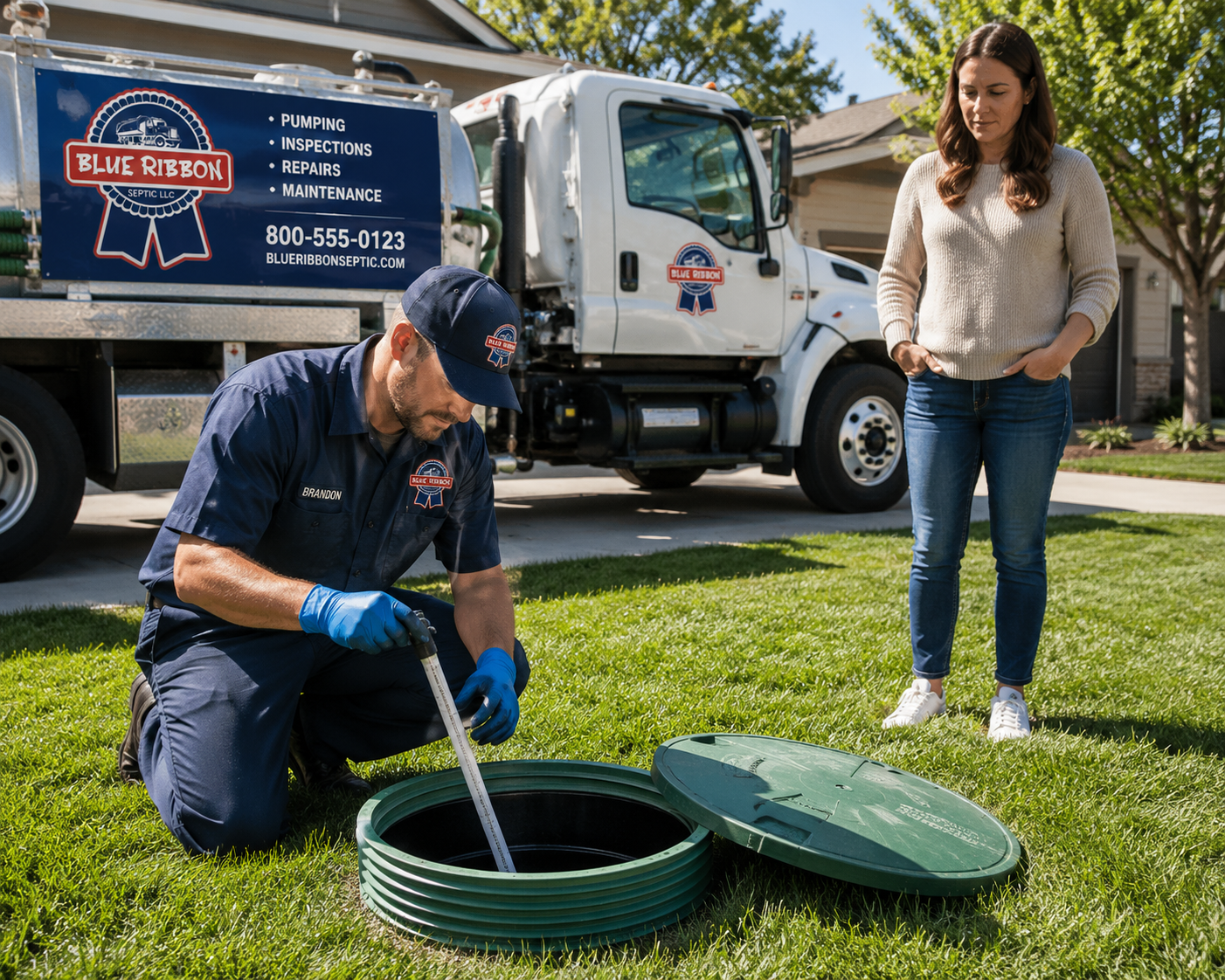
The most effective care of septic system requires a professional pumping every three to five years, combined with annual visual inspections to catch small leaks before they become yard-flooding disasters. For homeowners in the Greater Sacramento area, proactive septic tank maintenance isn't just a chore—it’s the only way to avoid the five-figure price tag of a total drainfield failure. When a system is ignored, the resulting backups don't just ruin your afternoon; they pose genuine health risks to your family and can permanently devalue your property.
By following this 2026 checklist, you will understand exactly how to monitor your system’s health, determine how often to pump septic tank components based on your household size, and make informed decisions that extend the life of your infrastructure. This guide provides a straightforward roadmap for the long-term care of septic system health, helping you transition from reactive repairs to stress-free, preventative ownership.
Here is everything you need to know to keep your system running reliably year after year.
Understanding the Essentials of Professional Care of Septic System
At its core, the care of septic system components involves managing a private underwater treatment plant located right on your property. This system relies on a delicate balance of biology and mechanics: solids settle in the tank, while liquid effluent travels to the drainfield for soil filtration. Proper septic tank cleaning and pumping is the only way to remove the accumulated sludge that bacteria cannot break down. Without this regular intervention, those solids eventually migrate into your soil pipes, leading to a complete system "strangulation" that is both messy and incredibly expensive to fix.
For families in Northern California, septic tank care is the most critical factor in maintaining property value and home safety. A neglected system doesn't just stop working; it can lead to surfacing sewage in your yard or toxic backups into your bathtubs. Because Blue Ribbon Septic operates with a no-commission model, our goal is to help you understand that caring for a septic system is about longevity, not just reacting to an emergency. By prioritizing maintenance of septic tank components like outlet baffles and filters, you prevent the premature death of your leach field.
Key Benefits of Proactive Maintenance:
- Cost Avoidance: Spending hundreds on a pump-out prevents spending tens of thousands on a new system.
- Environmental Safety: Properly maintained systems prevent nitrogen and pathogens from contaminating local groundwater.
- Property Compliance: Routine records are essential for seamless real estate transactions and health department requirements.
A common mistake many homeowners make is assuming that if the toilets are flushing, the system is fine. However, a tank can be overfilled with solids long before you notice a slow drain, which is why sticking to a professional schedule is vital.
The Step-by-Step Checklist for Optimal Care of Septic System
Professional care of septic system health is not a one-time event, but a series of deliberate actions that protect your home’s infrastructure. To keep your system functioning at peak efficiency in 2026, you must move beyond the "out of sight, out of mind" mentality. By following a structured maintenance plan, you can ensure that septic tank cleaning happens on a schedule that matches your household’s actual usage, rather than waiting for a backup to signal a problem.
Here is the professional checklist for maintaining a healthy, long-lasting septic system.
1. Determine Your Pumping Frequency
One of the most common questions we hear is how often to pump septic tank systems. While the general rule is every 3 to 5 years, this depends on three factors: household size, total wastewater generated, and the volume of solids in the tank. A family of five with a 1,000-gallon tank will require much more frequent service than a couple in a larger home. During a professional inspection, a technician will measure the scum and sludge layers to give you a precise recommendation tailored to your home.
2. Inspect and Maintain System Components
Septic system maintenance involves more than just the tank itself. Modern systems often include filters and mechanical parts that require specialized attention.
- Effluent Filters: These should be cleaned or replaced annually to prevent hair and lint from entering the drainfield.
- Outlet Baffles: Ensure these are intact; a broken baffle allows solids to flow directly into your leach lines, causing immediate damage.
- Lids and Access: If your tank is buried deep, consider septic risers and lid installation to make future inspections and pumping faster and less invasive for your landscaping.
3. Monitor Your Water Usage
Your septic system is essentially a large settling basin. If you introduce too much water at once—such as running the dishwasher, laundry, and two showers simultaneously—you "surge" the system. This hydraulic overload pushes unsettled solids out of the tank and into the drainfield. To improve your care of septic system longevity, spread out laundry loads throughout the week and install high-efficiency fixtures to reduce the daily volume of effluent your soil must process.
4. Protect the Drainfield
The drainfield is the most expensive part of your system to replace. To ensure proper maintenance of septic tank exit points, never park vehicles or heavy equipment over the disposal area, as soil compaction can crush pipes or stop the soil from "breathing." Additionally, keep trees and deep-rooted shrubs at least 30 feet away to prevent root intrusion, which is a leading cause of underground pipe failure in the Sacramento Valley.
5. Be Mindful of What Goes Down the Drain
A septic system is a living biological environment. Avoid "septic safe" labeled chemicals that are actually harsh disinfectants, as these kill the beneficial bacteria needed to break down waste. Never flush non-biodegradable items like "flushable" wipes, feminine products, or paper towels. If your property relies on a pump to move waste to higher ground, ensuring lift station pumping is performed regularly is vital to prevent these non-biodegradables from burning out your pump motor.
Summary of Best Practices
By sticking to this checklist, you shift the narrative from "repairing" to "managing." Professional how to maintain a septic system protocols focus on the small, affordable wins—like replacing a worn lid or cleaning a filter—to avoid the catastrophic failure of the entire system. When you prioritize these steps, you ensure your home remains a safe, functional environment for decades to come.
Real-World Scenarios: Applying Proper Care of Septic System
Moving from a theoretical checklist to daily life helps clarify how these professional standards protect your property. Proper care of septic system health looks different depending on your specific property needs and goals.
- The Proactive Homeowner: A family in Auburn noticed slow drains and suspected a clog. Instead of using harsh chemicals, they scheduled a professional septic system maintenance visit. The technician identified a clogged effluent filter and performed a routine pump-out, preventing a full-scale backup and saving the family thousands in emergency restoration costs.
- The Real Estate Transaction: During a home sale in Colfax, the buyers requested a comprehensive real estate septic inspection. By reviewing the seller’s detailed records of septic tank maintenance, the buyers felt confident in the system's longevity. The clear documentation ensured the loan was approved quickly and the sale closed without a hitch.
- The Commercial Manager: A local business owner noticed the alarms on their wastewater system were frequently triggering. By prioritizing caring for a septic system through scheduled lift station service, they avoided an operational shutdown that would have cost a full day of revenue.
These examples demonstrate that consistent care of septic system components isn't just about plumbing—it’s about protecting your time, your budget, and your peace of mind. Regardless of your situation, applying these practical steps ensures your system remains an asset rather than a liability.
Expert Tips for Sustaining Long-Term Care of Septic System
Mastering the care of septic system health requires shifting from a reactive "fix-it" mindset to one of proactive management. These expert insights bridge the gap between basic knowledge and true system longevity, ensuring your septic tank maintenance efforts yield the best possible results for your home.
- Map Your System and Install Risers Knowing exactly where your tank is saves time and preserves your lawn. If your tank is buried deep, consider septic risers and lid installation. This makes caring for a septic system significantly easier for technicians, as it eliminates the need for heavy digging during every service visit and ensures access is always available for inspections.
- Keep a Detailed Service Log Document every pump-out, repair, and inspection. A clear history of septic tank care is invaluable when you eventually sell your property, as it proves to buyers that the system has been professionally managed. It also helps your technician identify patterns, such as an unusually fast accumulation of sludge, which could indicate a hidden plumbing issue.
- Practice Seasonal Grass Management Maintain a healthy cover of grass over your drainfield to help with evapotranspiration and prevent soil erosion. Avoid planting "water-loving" trees like willows nearby, as their roots can travel great distances to infiltrate your pipes. Proper care of septic system exit points includes keeping the area clear of debris and ensuring rainwater runoff is directed away from the leach field.
Applying these best practices ensures that your system doesn't just survive but thrives, providing you with a reliable and worry-free waste management solution for years to come.
Professional Support for the Care of Septic System
Maintaining the care of septic system health in 2026 is a straightforward process when you prioritize consistent, professional oversight over temporary fixes. You now have the roadmap to handle septic tank maintenance with confidence, from understanding pumping frequencies to protecting your drainfield from costly damage. By taking these proactive steps, you ensure your home remains safe, your property value stays high, and your daily life remains uninterrupted by plumbing failures.
Don't wait for a slow drain or a foul odor to signal a crisis; early intervention is the most effective way to manage your home's infrastructure. Whether you are a new homeowner or have managed a system for decades, expert care of septic system components is the only way to guarantee long-term reliability. Our team at Blue Ribbon Septic is ready to provide the honest, no-pressure guidance you need to keep your household running smoothly.
If you’re ready to secure your home’s future, contact us today to schedule your professional septic tank pumping and cleaning and experience service built on thirty years of local trust.
Frequently Asked Questions About the Care of Septic System
How often should I pump my septic tank in 2026?
For most households, the professional care of septic system standards suggest pumping every 3 to 5 years. However, this varies based on your home's occupancy and water usage habits. If you use a garbage disposal frequently, you may need to schedule septic tank pumping more often, as food solids do not break down as quickly as biological waste. Regular inspections help determine your specific needs.
Can I use additives to avoid septic tank maintenance?
While some products claim to eliminate the need for septic tank maintenance, there is no substitute for physical pumping. Most additives are unnecessary if your system’s natural bacteria are healthy. In fact, some harsh chemical cleaners can actually harm your system. Focus on proactive septic system maintenance like cleaning effluent filters and monitoring water usage rather than relying on "miracle" flushable treatments.
What are the early signs that my septic system needs care?
Gurgling sounds in your pipes, slow-draining sinks, or lush, overly green patches of grass over your drainfield are clear indicators that your system requires attention. Ignoring these signs can lead to a total backup. Prioritizing the care of septic system components at the first sign of trouble prevents minor clogs from turning into full-scale system failures that require expensive excavations and repairs.
Is it safe to plant trees near my septic tank?
No, it is generally recommended to keep trees at least 30 feet away from your tank and leach field. Roots are naturally drawn to the moisture inside your pipes and can cause extensive damage over time. Part of caring for a septic system involves managing the surrounding landscape to ensure that roots or heavy structures do not interfere with the underground infrastructure or soil absorption.


