A lift station for septic system performance is the heart of any property where gravity alone can’t move wastewater to the treatment area. If your commercial site or multi-unit residence relies on a sewage lift station to pump waste uphill, a single pump failure can lead to immediate backups, costly operational downtime, and health code violations. Understanding how this specialized equipment functions is the first step in protecting your investment and ensuring your business stays open without messy interruptions.
Properly managing a sewer lift station involves more than just reacting to alarms; it requires a proactive approach to mechanical care and electrical monitoring. In this guide, you will learn the critical maintenance markers for a high-performance septic system lift station, how to identify early warning signs of pump fatigue, and why routine professional servicing is the most cost-effective way to extend your system's lifespan.
Let’s take a closer look at what keeps these systems running reliably day in and day out.
Why a Reliable Septic System Lift Station is Critical for Your Property
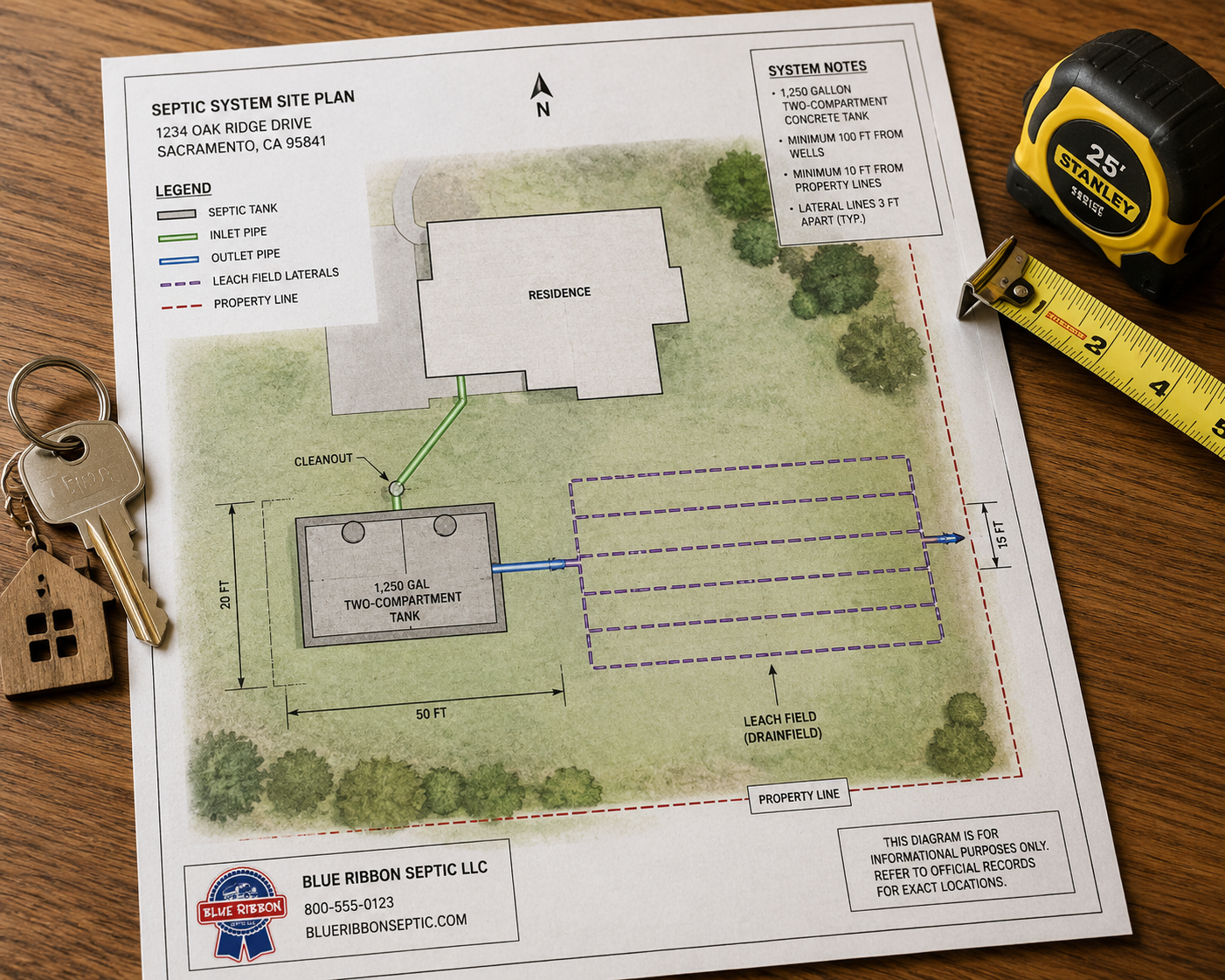
A septic system lift station is a specialized installation designed to move wastewater from a lower elevation to a higher elevation or across long distances where a natural downhill slope doesn't exist. Essentially, when your plumbing sits below the level of the main sewer line or the septic leach field, the system uses a septic lift pump housed in a sealed basin to "lift" the effluent. Once the liquid reaches a certain level, float switches trigger the pump to discharge the waste under pressure to its destination.
In a commercial or high-volume residential setting, the stakes are significantly higher than a standard gravity-fed setup. If a lift pump station fails, the waste has nowhere to go, leading to rapid backups into the lowest drains of your building. For business owners in the Sacramento area, this isn't just a plumbing nuisance, it’s a potential health hazard that can force a total operational shutdown. Consistent lift station pumping is the primary defense against these failures, ensuring that solids and sludge don't accumulate to the point of clogging the intake or burning out the motor.
Maintaining these systems offers several practical advantages for property managers and owners:
- Prevention of Costly Overflows: Regular monitoring prevents the "emergency call" scenario where sewage overflows into public or commercial spaces.
- Extended Equipment Lifespan: Proactive maintenance on the sewage lift station components prevents the motor from overworking, saving you thousands in premature replacement costs.
- Early Detection: Routine checks allow technicians to identify worn seals or faulty floats before they cause a total system crash.
A common mistake is assuming the pump is indestructible because it is "heavy-duty." In reality, even the strongest grinder pump station can be sidelined by improper waste disposal or neglected septic tank cleaning and pumping. Understanding how to spot these issues early is key to keeping your site running at peak performance.
Essential Maintenance for Your Lift Station for Septic System Longevity
Maintaining a lift station for septic system efficiency requires a shift from "reactive" repairs to "proactive" management. Because these systems are mechanical and electrical by nature, they are prone to wear and tear that a standard gravity system never encounters. For high-performance commercial sites, the goal of maintenance is to ensure the sewage lift station remains invisible, functioning perfectly in the background so that employees and customers never have to deal with the consequences of a failure.
1. Establish a Regular Pumping Schedule
The most common cause of lift station failure is the accumulation of grease, fats, and solids that the pump was never designed to handle. Even a high-powered grinder pump station can become bogged down if the basin is filled with heavy sludge. Professional lift station pumping should be performed at intervals determined by your site's specific volume. During this process, the entire basin is cleared, allowing for a full visual inspection of the pump intake and the floats.
2. Inspect and Test the Float Switches
Float switches act as the "brain" of your septic tank lift station. They tell the pump when to turn on, when to turn off, and when to trigger the high-water alarm. Over time, these floats can become coated in "ragging" (debris like wet wipes or hair) or grease, causing them to stick.
- The Risk: If a float sticks in the "off" position, the basin will overflow. If it sticks "on," the pump will run dry and burn out the motor.
- The Fix: During routine maintenance, technicians manually lift the floats to ensure they trigger the control panel correctly and clean off any debris that could impede movement.
3. Monitor the Control Panel and Electrical Components
The control panel is the most sensitive part of a lift pump for septic system setups. In the Sacramento heat or during heavy rain cycles, electrical components can suffer from corrosion or moisture intrusion. Regularly checking the amp draw of the pump is a professional secret for predicting failure; if the pump is pulling more power than usual, it’s often a sign that the impeller is clogged or the motor is beginning to fail.
If your property is in an area prone to power fluctuations, such as Grass Valley or other foothills locations, ensuring your control panel has functional surge protection is vital to preventing a "fried" system after a storm.
4. Check Valve and Piping Integrity
The "check valve" is a one-way flap that prevents wastewater in the discharge pipe from flowing back into the basin once the pump shuts off. If this valve fails, your lift pump station will end up pumping the same several gallons of water over and over again, leading to massive electricity bills and a shortened motor life. Technicians check these valves for a "clunk" sound, which indicates they are seating properly and preventing backflow.
5. Annual Professional Evaluations
While daily monitoring of the alarm light is something property managers can do, an annual comprehensive evaluation is the only way to catch "invisible" issues. This includes checking the insulation resistance of the pump motor and ensuring the septic risers and lid installation are watertight to prevent "inflow and infiltration", where rainwater leaks into the tank and forces the pump to work overtime for no reason.
By following these steps, you move away from the stress of emergency "out of order" signs and toward a reliable, long-term wastewater solution. A well-maintained residential sewage lift station or commercial unit can last for decades, provided the mechanical components are never left to fend for themselves against the harsh environment of a septic basin.
Real-World Scenarios: Keeping Your Lift Pump Station in Peak Condition
Seeing how a lift station for septic system performance handles daily demands helps clarify why professional oversight is so important. Here are a few ways different property owners in our region manage their systems effectively.
- Commercial Retail Center: A busy shopping plaza in Lincoln noticed their high-water alarm triggered during peak weekend hours. Because they had a standing agreement for their sewage lift station maintenance, a technician arrived quickly to find a float switch tangled in debris. By clearing the obstruction and cleaning the basin, the center avoided a total restroom shutdown and potential water damage to storefronts.
- Multi-Family Residential Complex: A property manager overseeing a small apartment community utilized a residential sewage lift station to pump waste to a municipal connection. By scheduling bi-annual inspections of the lift pump for septic system components, they identified a failing check valve before it burned out the motor. This proactive fix saved the HOA thousands in emergency replacement costs and prevented a messy backup into ground-floor units.
- Rural Estate with Steep Terrain: A homeowner in a hilly area relied on a grinder pump station to move waste uphill to their leach field. Regular monitoring of the control panel’s amp draw allowed them to catch an impeller clog early, ensuring their system remained reliable even during heavy guest usage.
Whether you are managing a business or a large household, these examples show that consistent care turns a potential "septic disaster" into a manageable routine.
Pro Tips for Managing Your Septic Lift Pump and System Health
Applying these professional insights can be the difference between a system that lasts thirty years and one that fails in five. These tips are designed to help property owners in areas like Roseville move beyond basic operation and into high-performance management.
- Listen for the "Silent" Signs of Failure Don't wait for the high-water alarm to sound. Periodically listen to your sewage lift station as it cycles. If you hear a grinding noise, excessive vibration, or a "thumping" sound when the pump shuts off, it’s a sign of a failing bearing or a faulty check valve. Catching these sounds early prevents a total motor burnout.
- Keep an "Emergency Manual" by the Control Panel In a crisis, you don't want to be searching for phone numbers. Post the contact information for your service provider and the pump’s model number inside the control panel door. This allows a technician to know exactly what septic lift pump parts are needed before they even arrive on-site, speeding up repair times significantly.
- Implement a "No-Flush" Policy for Commercial Staff A grinder pump station is powerful, but it isn't a trash can. Educate staff or tenants that "flushable" wipes, grease, and feminine products are the leading causes of pump clogs. Even the most robust lift pump for septic system efficiency will struggle if it has to constantly fight through non-biodegradable debris.
By integrating these simple habits into your property management routine, you ensure your wastewater system remains a reliable asset rather than a hidden liability.
Reliable Support for Your Septic System Lift Station
Maintaining a high-performance lift station for septic system efficiency doesn't have to be a source of stress for property owners. You now understand that regular pumping, float testing, and electrical monitoring are the three pillars that keep your sewage lift station running smoothly and prevent costly commercial shutdowns. By staying proactive, you protect your property from the environmental and financial risks of sudden system failure.
Taking care of these mechanical components today ensures your business or residence remains operational and compliant for years to come. Whether you need a routine check-up or are dealing with a faulty septic lift pump, having a trusted partner with 30+ years of experience makes all the difference in your system's longevity.
If you are ready to secure your property's infrastructure, contact Blue Ribbon Septic today for professional lift station pumping and comprehensive maintenance you can trust.
How many years has it been since your lift station's last professional inspection?
Common Questions About Your Septic System Lift Station
How often should a commercial sewage lift station be pumped?
Most high-performance commercial sites require sewage lift station pumping every 6 to 12 months, though high-traffic facilities like restaurants may need quarterly service. Regular pumping prevents grease and solid waste from obstructing the septic lift pump intake. Neglecting this schedule often leads to motor strain and premature mechanical failure. Consistent cleaning ensures the basin remains clear and the floats can move freely to trigger the pump correctly.
What are the signs that my lift pump station is failing?
The most immediate sign is a high-water alarm or a red light on your control panel. However, you should also look for slow drainage in low-lying sinks or persistent foul odors near the basin. If your lift pump station is making unusual grinding noises or cycling on and off too frequently, it likely has a clogged impeller or a faulty check valve. Addressing these early warning signs can prevent a total system backup.
Can I use any septic lift pump as a replacement?
No, you must select a pump that matches the specific "head pressure" and "flow rate" requirements of your property. For instance, a grinder pump station is necessary if the system needs to macerate solids before pumping them through a small-diameter pipe. Using an undersized lift pump for septic system tasks will lead to frequent clogs and motor burnout. A professional septic system evaluation can help determine the exact specifications needed for your site.
Why is my lift station alarm going off?
The alarm usually triggers when the water level in the septic tank lift station basin exceeds the "high-water" float setting. This happens due to a power outage, a tripped breaker, a clogged pump, or a float switch that has become "ragged" with debris. If the alarm sounds, minimize water usage immediately and check the control panel. If the pump doesn't engage manually, it’s time to call for professional service to avoid an overflow.