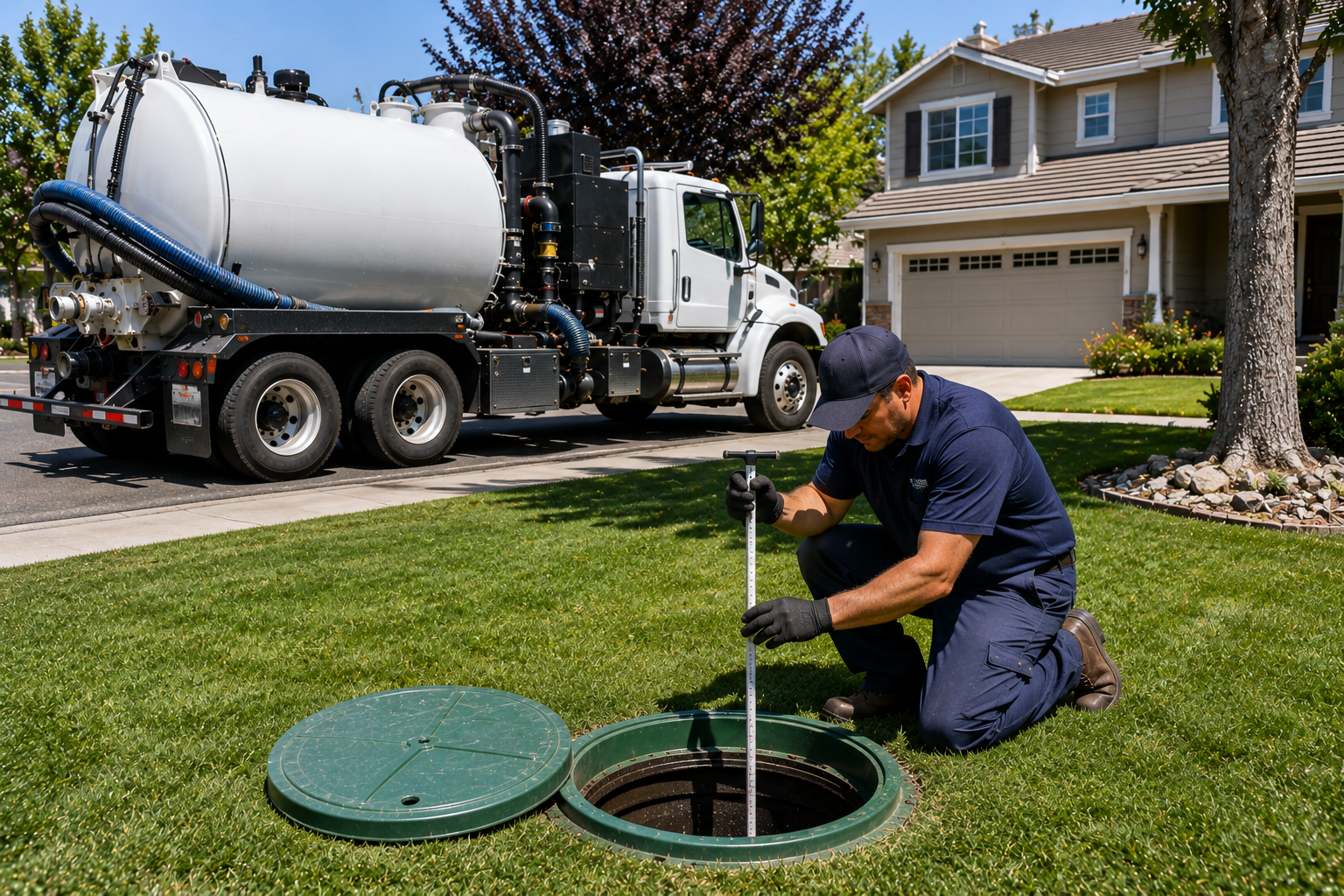
When an unexpected wastewater backup hits a multi-unit or commercial property, daily operations halt immediately, leaving property managers facing angry tenants and costly emergency plumbing fees.
The most effective way to safeguard your operations and protect your bottom line is through the proactive, strategic maintenance of septic tank systems.
Property managers and commercial property owners carry the heavy responsibility of keeping facilities functional, and neglecting routine septic tank maintenance can lead to severe service interruptions, tenant turnover, and avoidable liability concerns. Implementing consistent septic system maintenance prevents small component failures from escalating into structural property damage.
This guide outlines practical strategies for long-term system reliability, helping you make informed decisions regarding operational schedules and preventative plumbing budgets. Let's look closer at how Blue Ribbon Septic structures preventative care to keep your business running smoothly without costly surprises.
Why Proactive Maintenance of Septic Tank Systems Protects Your Property Value
Strategic maintenance of septic tank systems is the ongoing process of inspecting, servicing, and cleaning wastewater infrastructure to ensure waste is processed safely and efficiently.
For property managers, this involves scheduling routine inspections, managing sludge levels, and keeping detailed service records across multi-unit or commercial sites. Rather than waiting for a functional emergency, this proactive approach focuses on keeping the entire system operating exactly as intended.
This matters because commercial and multi-family systems handle immense volume, meaning minor component wear can rapidly escalate into widespread plumbing failures. A neglected system risks exposing occupants to hazardous conditions, interrupting daily business operations, and generating expensive structural damage.
One of the most effective ways to preserve property infrastructure and ensure tenant safety is by setting up a routine schedule for professional septic tank cleaning and pumping, which prevents accumulated solids from migrating into the drainfield.
Implementing a consistent program for septic maintenance and long-term septic system upkeep delivers several practical advantages:
- Minimized Operational Downtime: Eliminates unexpected system shutdowns that force commercial tenants to close or residents to temporarily relocate.
- Predictable Budgeting: Replaces volatile emergency repair costs with manageable, scheduled upkeep fees.
- Extended Asset Lifespan: Protects the costly underground infrastructure, deferring expensive total system replacements.
A common industry misconception is that underground systems only require attention when slow drains or odors surface. In reality, waiting for these signs means system damage has already occurred. Making simple physical accessibility upgrades, such as investing in professional septic risers and lid installation, ensures that ongoing inspections and servicing can happen seamlessly and safely without tearing up the property landscaping each time.
A Step-by-Step Strategic Approach to the Maintenance of Septic Tank Systems
Successfully managing wastewater infrastructure across multiple commercial units or residential complexes requires a shift from reactive troubleshooting to structured, predictable oversight.
When property managers implement a standardized process for the maintenance of septic tank networks, they protect their operational budgets from sudden capital drains. By following a clear, scheduled protocol, you can ensure that your properties remain compliant, functional, and free from disruptive tenant complaints.
Developing an effective program involves coordinated steps that address both the physical components of the system and the behavioral habits of the property’s occupants. Below is the operational framework required to achieve long-term reliability and proper caring for a septic system on a commercial scale.
1. Establish an Accurate System Map and Baseline Inspection
Before you can effectively manage a property’s infrastructure, you must know exactly what components exist and where they are buried. Many multi-unit properties have undergone renovations or expansions, leaving newer management teams in the dark about the precise location of access ports, distribution boxes, and drainfields.
The first step is to secure an accurate layout diagram. If your records are incomplete, utilizing professional tank locating and outlet baffle replacement services is essential to pin down the exact coordinates of your underground assets.
Once located, a comprehensive baseline inspection should be performed to check the integrity of the baffles, verify sludge levels, and evaluate the overall structural health of the tanks. This initial data allows you to create an optimized, site-specific service schedule rather than relying on generic timelines.
2. Schedule Regular Pumping Intervals Based on Actual Volume
Commercial facilities, restaurants, and multi-family residential complexes experience significantly higher wastewater volumes than standard households. Consequently, a rigid "one-size-fits-all" pumping timeline will eventually fail.
High-occupancy properties require scheduled septic tank pumping based on measured solid accumulation rather than guesswork. For instance, an office building might only require service every few years, whereas a multi-unit apartment complex or a commercial building with retail food tenants may need bi-annual pumping to prevent grease and solids from overflowing into the soil absorption area.
Working with an experienced technician to monitor scum and sludge layers during routine checks ensures you pump only when necessary, avoiding both premature service costs and unexpected system failures.
3. Maintain and Service Support Infrastructure (Lift Stations)
Many large-scale commercial real estate layouts or multi-unit complexes rely on gravity-defying designs where wastewater must be moved uphill to reach the main treatment area or municipal connection. In these setups, the septic tank does not work alone; it relies heavily on mechanical pump chambers.
Neglecting these mechanical components is a frequent cause of sudden property backups. Integrating professional lift station pumping and maintenance into your broader property management strategy is critical. Technicians must regularly test float switches, inspect submersed pumps, clear out grease accumulation, and verify that electrical alert systems are fully functional. If a lift station pump fails, the entire upstream network can back up into tenant units within hours.
4. Implement Tenant Education and Waste Restrictions
Even the most rigorous technical septic system service routine cannot overcome the damage caused by hundreds of tenants flushing improper items down the drains. Property managers must actively educate residents and commercial workers about the limitations of an on-site wastewater system.
- Distribute Clear Guidelines: Provide tenants with a plain-language list of banned items, including flushable wipes, grease, paper towels, feminine hygiene products, and harsh chemical cleaners.
- Add Lease Addendums: For commercial tenants, especially food service operators, include strict clauses regarding the proper maintenance of grease traps and prohibitions against dumping cooking oils down sinks.
- Post Signage: Place polite but clear reminders in public or shared restrooms to prevent visitors from treating toilets like trash cans.
5. Document All Inspections and Repairs for Compliance
The final step in mastering how to maintain a septic tank system strategically is maintaining an immutable logbook of all activities. Every inspection, pumping volume receipt, baffle repair, and lift station check should be documented with dates, technician notes, and structural diagrams.
This documentation serves multiple business purposes. It provides concrete proof of regulatory compliance for local health departments, protects the property owner against potential environmental liability, and adds measurable value to the property asset during future real estate transactions.
When a service provider can hand over a flawless, multi-year maintenance history, it builds immediate trust and reassures stakeholders that the property is being managed with professional foresight.
Real-World Examples: Strategic Maintenance of Septic Tank Networks in Action
Transitioning from a theoretical upkeep plan to practical application demonstrates how proactive oversight protects your day-to-day business operations. Here is how different property managers apply these principles to achieve reliable septic system upkeep and avoid structural emergencies.
- Multi-Family Residential Community: A property manager in Roseville overseeing a 24-unit townhouse complex faced recurring drain slowdowns due to high tenant water volume.
Instead of waiting for a total backup, she initiated a strict schedule for maintenance of septic tank infrastructure and organized a property-wide plumbing assessment. By ordering detailed real estate septic system inspections, the management team identified a failing outlet baffle early, replaced it, and saved the association over $15,000 in premature drainfield replacement costs.
- Strip Mall Commercial Facilities: A commercial property owner noticed grease-trap cross-contamination slowing down the shared waste lines of three restaurant tenants.
He shifted from a reactive repair model to a proactive routine of synchronized septic tank care and scheduled line jetting. This targeted septic maintenance approach completely eliminated mid-day plumbing back-ups, ensuring uninterrupted business hours and keeping tenant satisfaction high.
These real-world scenarios prove that structured, preventative action eliminates operational chaos. By implementing a systematic service plan today, you can protect your local real estate investments from costly, predictable disruptions.
Professional Guidelines for Maximizing Your Septic Infrastructure Investment
Moving from basic, reactive care to an advanced operational strategy requires practical insights that help you optimize your property’s wastewater performance. Applying these professional recommendations ensures that your maintenance of septic tank systems remains cost-effective while keeping your commercial properties fully compliant.
- Establish a Multi-Year Pumping Schedule: Avoid relying on visual inspections alone to determine when service is due. Implement a structured program for septic system maintenance that dictates pumping intervals based on exact unit occupancy and measurable sludge accumulation rates, protecting your soil absorption fields from premature clogging.
- Audit Internal Water Fixtures Regularly: High-volume commercial properties can experience silent water waste from leaking toilets or dripping faucets. This constant, unnecessary flow oversaturates the tank, speeds up solid migration, and undermines your strategic maintenance of septic tank infrastructure by overworking the drainfield.
- Perform Pre-Purchase Property Evaluations: When expanding your real estate portfolio, never assume the existing wastewater setup is flawless. Before closing a transaction, secure an honest, comprehensive septic system evaluation and estimate to uncover hidden structural flaws or past neglect, giving you vital leverage during price negotiations.
- Establish Strict Physical Protection Zones: Prevent heavy commercial machinery, delivery trucks, or tenant vehicles from parking over your underground infrastructure. Soil compaction can crush fragile pipes, crack tank lids, and ruin your broader efforts at consistent septic tank maintenance.
Integrating these proactive habits into your facility operations minimizes liabilities, maximizes asset performance, and ensures your infrastructure runs quietly in the background.
Partnering with Experts for Seamless Septic System Management
Implementing a disciplined strategy for the maintenance of septic tank systems ensures that your multi-unit communities and commercial properties remain safe, compliant, and operational. You now understand how routine inspections, scheduled pumping, and tenant education work together to prevent catastrophic backups and stabilize your long-term facility budgets.
Prioritizing septic system maintenance allows you to manage assets with complete confidence, shifting your focus away from sudden plumbing disasters and toward profitable property growth.
Taking charge of your commercial infrastructure today protects your property values, keeps your tenants satisfied, and shields your business from volatile emergency repair costs. When you are ready to establish a reliable, no-nonsense service schedule for your facilities, look for a provider that values honesty and long-term results over short-term sales tactics.
Schedule an appointment with Blue Ribbon Septic today to secure transparent, professional septic maintenance tailored directly to your property’s operational demands.
Frequently Asked Questions About Property Management Septic Upkeep
How often should property managers schedule commercial septic tank pumping?
High-volume commercial properties and multi-family residential complexes generally require septic tank pumping every one to two years, depending on the number of occupants and daily wastewater usage. For facilities with restaurants or heavy food service tenants, bi-annual servicing is often necessary to prevent grease and solid waste accumulation from clogging the system and disrupting daily business operations.
What happens if you skip regular maintenance of septic tank systems?
Neglecting the strategic maintenance of septic tank infrastructure leads to sludge accumulation, which eventually forces solid waste into the soil drainfield. This causes slow drains, system backups, and environmental hazards. Over time, avoiding septic maintenance results in premature system failure, tenant displacement, and massive emergency replacement costs that could have been easily averted with proactive care.
Can property managers handle septic system maintenance internally?
While property managers can handle tenant plumbing education and routine water fixture audits internally, physical septic system maintenance must be executed by licensed professionals. Complex wastewater networks rely on precise mechanical components, balance checks, and specialized equipment. Booking a professional septic system service ensures compliance with local health regulations and provides documented service records for property owners.
Do septic risers lower the cost of ongoing maintenance of septic tank infrastructure?
Yes, installing durable access risers significantly lowers long-term costs. Risers bring the underground access ports up to the soil surface, eliminating the need for technicians to manually excavate the lawn during every inspection or pumping visit. This upgrade makes routine septic tank care much faster, reduces labor costs, and minimizes landscaping damage on your commercial real estate.