
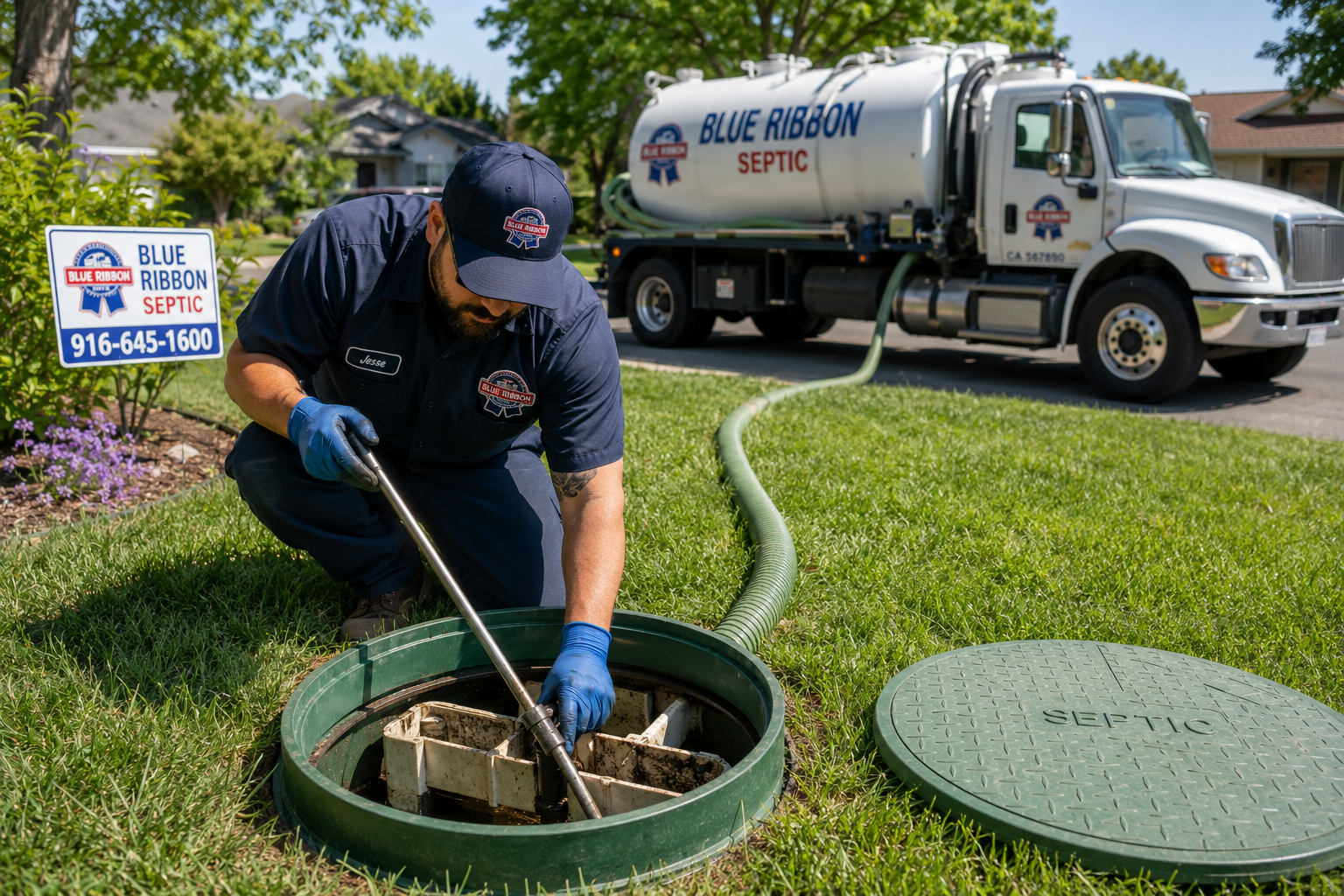
To keep a clean septic tank and avoid system failure, you must schedule professional pumping every three to five years while strictly managing what goes down your drains. Proper septic tank maintenance isn't just about cleaning; it’s about protecting your home’s plumbing infrastructure from total collapse.
For homeowners in the Sacramento area, a neglected septic system is a ticking time bomb that leads to foul odors, sluggish drains, and eventually, raw sewage backing up into your yard or home. These aren't just inconveniences—they are health hazards and massive financial burdens that can cost thousands in avoidable repairs. Understanding how to care for your system ensures your household runs without disruption and protects your property value.
In this guide, you will learn the most effective septic system maintenance tips to extend the life of your tank, how to identify early warning signs of trouble, and how to simplify your long-term care routine.
Why Regular Septic Tank Maintenance is Essential for Your Home
A clean septic tank is the heart of a functional onsite wastewater system. In simple terms, your septic tank acts as a biological filter; it collects all the water leaving your home, allows solids to settle at the bottom as sludge, and lets treated liquid effluent flow out to the drainfield. Over time, these solids accumulate and must be physically removed. Without consistent septic tank care, the sludge level rises until it begins to escape into the drainfield, leading to system clogs and complete soil failure.
For homeowners, this process matters because your septic system is one of the most expensive components of your property. Ignoring septic system maintenance doesn't just result in a bad smell; it creates a cascade of risks, including groundwater contamination and the backing up of household drains. Because a full replacement can cost tens of thousands of dollars, being proactive is the only way to protect your investment and ensure your family’s daily routine isn't interrupted by a preventable plumbing disaster.
When you prioritize septic tank maintenance tips and professional care, you gain several practical advantages:
- Massive Cost Savings: Routine septic tank cleaning and pumping prevents the need for total system overhauls.
- Property Protection: A well-maintained system is vital for property value and passing real estate septic inspections during a sale.
- Environmental Safety: Proper filtration keeps your local soil and water supply free from harmful pathogens.
A common misconception is that if you don't have a backup, your tank is "fine." In reality, by the time you see symptoms, damage to the drainfield may already be underway. Understanding the mechanics of your system is the first step toward long-term reliability.
Essential Septic System Maintenance Tips for Long-Term Health
Maintaining a clean septic tank requires a two-pronged approach: being mindful of what enters the system daily and ensuring professional intervention at the right intervals. When you understand how to maintain a septic tank, you shift from being a reactive homeowner to a proactive one, significantly lowering the risk of emergency failures. This proactive care starts with professional septic tank cleaning and pumping to remove the accumulated solids that your system simply cannot break down on its own.
1. Control Your Water Usage
Your septic system is designed to handle a specific volume of water. When too much water enters the tank at once—such as running the dishwasher and laundry simultaneously—it creates "hydraulic overloading." This pushes wastewater out of the tank before the solids have had time to settle, forcing sludge into your drainfield. To avoid this, space out heavy water usage and repair leaky faucets or running toilets immediately.
2. Guard Your Drains Against "System Killers"
A major part of septic system care is knowing what not to flush. Your tank relies on living bacteria to break down waste; introducing harsh chemicals or non-biodegradable items kills these bacteria or causes physical blockages.
- Never Flush: "Flushable" wipes, paper towels, feminine hygiene products, or cigarette butts.
- Avoid Chemicals: Heavy-duty drain cleaners, bleach, and paints can stall the biological breakdown process.
- Kitchen Habits: Avoid pouring fats, oils, and grease (FOG) down the sink. These solidify in the pipes and tank, leading to stubborn clogs that often require outlet baffle replacement if they damage the system's internal components.
3. Maintain Your Drainfield
The drainfield is where the liquid waste (effluent) is naturally filtered by the soil. If the soil becomes compacted or oversaturated, the system fails. To protect this area:
- No Parking: Never drive or park vehicles over the septic tank or drainfield.
- Strategic Landscaping: Only plant grass over the system. Roots from trees and shrubs can infiltrate pipes and cause massive structural damage.
- Diversion: Ensure your home’s gutter downspouts and landscape drainage are directed away from the drainfield to prevent it from becoming waterlogged.
4. Schedule Routine Professional Inspections
Expert septic tank care and maintenance involves more than just pumping. A professional technician can inspect the structural integrity of your tank, checking for cracks or leaks that could lead to groundwater contamination. If your tank is buried deep or difficult to access, consider septic riser and lid installation. This brings your access point closer to the surface, making future inspections and cleanings faster and more cost-effective.
5. Be Mindful of Additives
Many "miracle" septic additives claim to eliminate the need for pumping. However, most experts agree that these are unnecessary and can sometimes be harmful. A healthy septic tank naturally contains all the bacteria it needs to function. No additive can replace the physical removal of inorganic solids and sludge through professional pumping.
By following these septic system maintenance tips, you take control of your home’s infrastructure. The goal is to keep the "good" bacteria working while ensuring the "bad" solids are removed before they can cause a backup. Regular attention to these details ensures that your system remains an invisible, high-performing part of your home rather than a constant source of stress.
Real-World Examples of Effective Septic Tank Care
Applying these septic tank maintenance tips in your daily life makes the difference between a system that lasts for decades and one that fails prematurely. Here is how proactive septic system care looks in practical, everyday scenarios:
- The Proactive Homeowner: A family of four in Roseville noticed their drains were slightly slower than usual. Instead of waiting for a backup, they scheduled a routine cleaning. The technician performed a professional septic tank pumping and cleaning, removing years of sludge buildup before it could reach the drainfield. The outcome was a fully restored flow and the avoidance of a multi-thousand-dollar repair.
- The Real Estate Seller: A property owner in Elk Grove preparing to sell their home knew that how to care for your septic system would be a top question from buyers. They invested in a professional evaluation and installed durable septic risers and lids to provide easy access for the upcoming inspection. This transparency built instant buyer trust, leading to a smooth, complication-free sale.
- The Seasonal Property Manager: A manager overseeing a rental property focused on how to keep septic tank healthy by installing mesh lint filters on washing machines and educating tenants on "flushable" wipes. This simple oversight reduced service calls by 50% and extended the time between necessary pumpings.
Pro Tips for Long-Term Septic System Maintenance
Applying the right septic tank maintenance tips is the difference between a system that merely survives and one that thrives for thirty years. These expert-level insights help you refine your septic tank care and avoid the most common pitfalls that property owners face.
- Install an Effluent Filter: A high-quality filter at the outlet baffle prevents small hair and lint particles from escaping into your drainfield. This simple addition acts as a secondary insurance policy, protecting your soil’s absorption capacity. If your current system is older, consider a professional outlet baffle replacement to incorporate modern filtration technology.
- Track Your Pumping Records: Don't guess when your last service was. Keep a dedicated folder with dates, the amount of sludge removed, and any notes from the technician. This documentation is invaluable for troubleshooting future issues and is a major asset if you ever decide to sell your home.
- Use High-Efficiency Fixtures: Modern low-flow toilets and showerheads significantly reduce the daily "load" on your system. By reducing the total volume of water your tank has to process, you give the bacteria more time to break down solids effectively, ensuring a more consistent septic system maintenance schedule.
- Keep a Detailed Map: Know exactly where your tank and drainfield are located. This prevents accidental damage from heavy machinery or landscaping projects. If you aren't sure where your components are, a professional can provide precise tank locating to help you visualize your system's layout.
Secure Your Home with a Clean Septic Tank
Maintaining a clean septic tank is the most effective way to protect your property and avoid the stress of sudden system failures. By following a consistent schedule of septic tank care and maintenance, managing your water usage, and being mindful of what enters your drains, you have the tools to extend your system’s lifespan significantly. You now understand that proactive care is not just about avoiding odors—it is about preserving your home's value and ensuring your family's safety.
Taking action today prevents the messy, expensive disasters of tomorrow. Whether you are due for a routine checkup or haven't had your system inspected in years, prioritizing your septic system maintenance now provides long-term peace of mind and financial security. Don't wait for a backup to tell you there’s a problem; stay ahead of the curve with expert assistance.
If you’re ready to ensure your system stays healthy and reliable, contact us today for professional septic tank cleaning and pumping and experience the honest, no-pressure service your home deserves.
Frequently Asked Questions About Septic Tank Care
How often should I clean my septic tank?
For most households, a professional clean septic tank service is required every three to five years. However, this frequency depends on your tank size and the number of people in your home. If you use a garbage disposal frequently, you may need more regular septic tank maintenance to manage the increased solid waste. Regular inspections help determine the exact timing for your specific system.
What are the signs that I need septic tank pumping?
Common red flags include slow-draining sinks, gurgling sounds in your pipes, or foul odors near the tank area. If you notice unusually lush, green grass over your drainfield or standing water in the yard, your system is likely struggling. Prompt septic system maintenance at the first sign of trouble can prevent a total backup and protect your home from water damage.
Can I use additives instead of professional cleaning?
No, additives cannot replace the physical removal of sludge and scum. While some products claim to break down waste, they often suspend solids in the liquid, allowing them to clog your drainfield. The only way to truly maintain a healthy system is through periodic pumping. For those needing a deep system evaluation, a real estate septic inspection can provide a comprehensive look at your tank's actual health.
How do I keep my septic tank healthy during the winter?
To ensure proper septic system care during cold months, avoid compacting the snow over your tank or drainfield, as compacted snow conducts cold more deeply into the ground and can freeze your pipes. Keep your system active; the consistent flow of warm water from the house and the natural heat generated by bacterial activity in the tank are your best defenses against freezing.


