
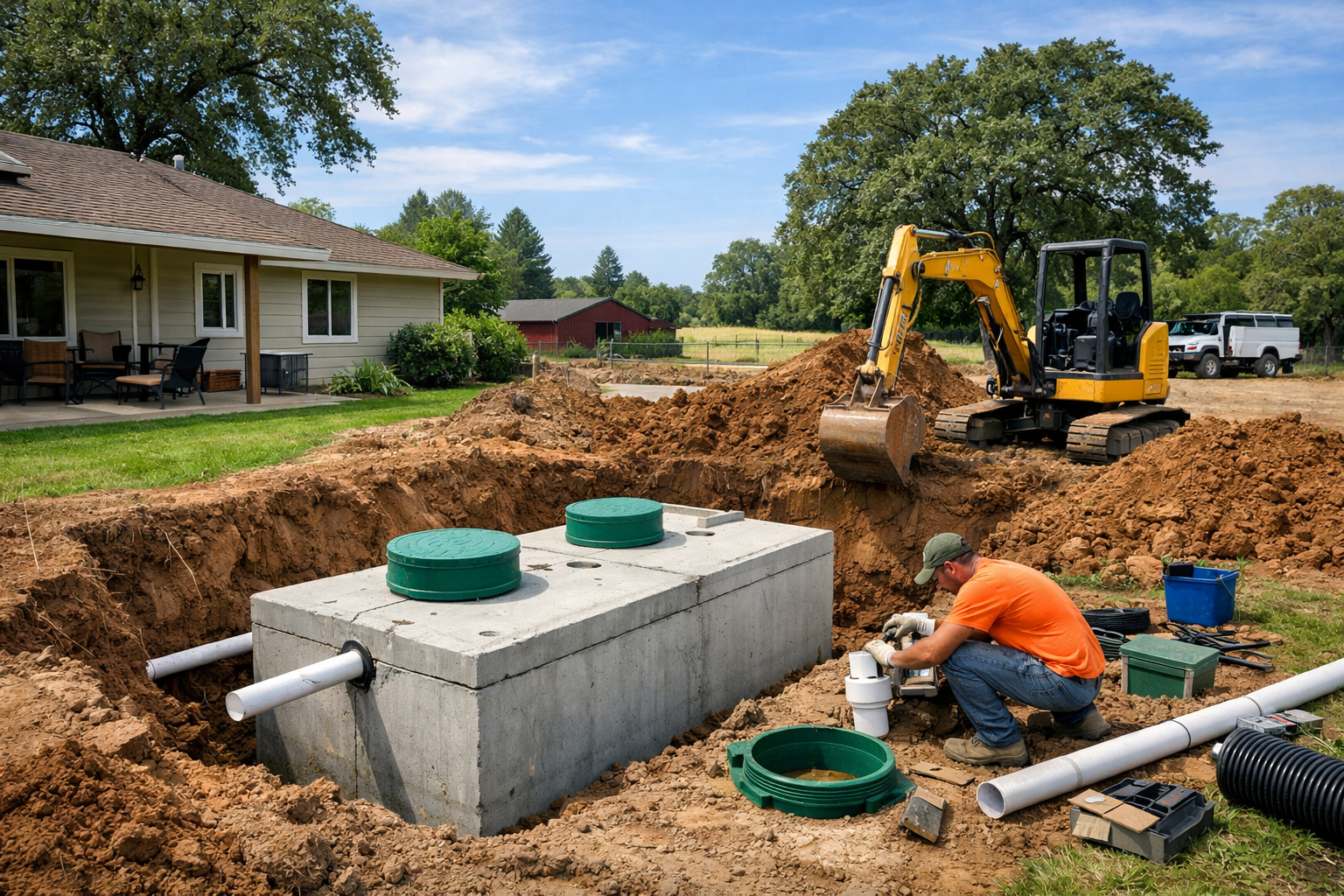
Understanding the True Cost of Septic System Installation in Sacramento, CA
Installing a septic system is not something most homeowners plan for far in advance. It usually comes up when building a new home, replacing an aging or failing system, or purchasing a property that cannot connect to municipal sewer service. When that moment arrives, one question becomes immediate and unavoidable: what is the real cost of septic system installation in Sacramento?
The answer is rarely simple. Septic system installation cost can vary significantly depending on soil conditions, system design, local regulations, and property layout. Without clear guidance, homeowners often worry about hidden fees, surprise upgrades, or budget overruns halfway through the project.
This guide provides a clear and realistic breakdown of septic system installation costs in Sacramento, CA. You will learn what goes into the pricing, how much different system types typically cost, and how leach field replacement factors into overall expenses. We will also cover local permitting requirements, long-term maintenance considerations, and practical ways to plan ahead and avoid costly mistakes.
If you want clarity before committing to a major infrastructure investment, this guide will help you make informed decisions with confidence.
Understanding Septic System Installation Costs in Sacramento
A septic system is a self-contained wastewater treatment solution designed for properties without access to city sewer lines. While the concept is straightforward, the installation process is complex and highly regulated, especially in Sacramento County.
The cost of septic system installation in Sacramento includes far more than the septic tank itself. A complete installation typically involves site evaluation, soil testing, system design, permitting, excavation, materials, inspections, and professional labor. Each of these elements can influence the final price depending on the specific conditions of your property.
One of the biggest reasons pricing varies is that septic systems are not one-size-fits-all. A flat lot with well-draining soil allows for a simpler and less expensive system. A property with clay-heavy soil, high groundwater, or limited space often requires advanced designs that increase both material and labor costs.
Common factors that influence septic installation pricing include soil composition and percolation rates, required system size based on household water usage, Sacramento County environmental and health regulations, excavation complexity, and access for heavy equipment.
Understanding these variables upfront helps homeowners set realistic budgets and compare contractor estimates accurately.
Key Factors That Affect Septic Installation Pricing in Sacramento
Soil Conditions and Property Layout
Soil quality is one of the most important cost drivers in septic system installation. Sandy or loamy soils that drain well are ideal and usually allow for standard gravity systems. These conditions keep installation costs lower.
Clay-heavy or compacted soils drain poorly and often require engineered solutions such as pressure distribution or mound systems. These alternatives increase septic system installation cost because they involve additional materials, engineering, and labor.
Property layout also matters. Sloped terrain, tight lot lines, trees, existing structures, and limited access can all increase excavation time and equipment needs. The more complex the site, the higher the installation cost.
System Type and Design Requirements
The type of septic system required has a major impact on overall pricing. Conventional gravity-fed systems are generally the most affordable option when soil and site conditions allow.
When gravity systems are not feasible, alternative systems may be required. Pressure distribution systems, aerobic treatment units, and mound systems all cost more due to pumps, controls, and specialized installation requirements.
System size also affects pricing. Larger households or properties with higher wastewater demand require larger tanks and drain fields, increasing material and labor costs.
Permits, Inspections, and Sacramento County Regulations
Sacramento County enforces strict septic system regulations to protect groundwater and public health. Before installation can begin, properties must undergo soil testing and receive approval for system design.
Permit fees, inspections, and documentation are required throughout the process. These costs are often overlooked when homeowners budget for septic installation, yet they are unavoidable and necessary.
Failing to account for permitting and inspection costs can lead to delays and unexpected expenses later in the project.
Labor, Equipment, and Installation Complexity
Labor and equipment costs play a significant role in septic installation pricing. Skilled technicians, excavation crews, and heavy machinery are required to install systems correctly and safely.
Projects that involve deep excavation, rock removal, dewatering, or restricted access will naturally cost more. While it may be tempting to choose the lowest bid, experienced installers reduce the risk of future failures and costly repairs.
Typical Cost of Septic System Installation in Sacramento
Homeowners often want a clear number when asking about septic system installation cost. While every project is unique, most residential installations in Sacramento fall within predictable ranges.
For a standard gravity-fed septic system on a suitable lot, homeowners can expect to pay between $8,000 and $15,000. This range typically includes soil testing, permits, the septic tank, the drain field, excavation, and installation labor.
More complex systems cost more. Pressure distribution systems often range from $12,000 to $20,000 depending on site conditions. Aerobic or mound systems can exceed $25,000, especially on properties with poor soil drainage or high groundwater.
Replacement installations may cost more than new installations. Removing an old system, disposing of contaminated soil, or relocating a drain field adds to the total septic system replacement cost.
Additional expenses that may apply include redesigns to meet updated codes, disposal of old tanks, landscaping restoration, and upgrades to meet current health department requirements.
Leach Field Replacement Cost in Sacramento
Leach fields, also known as drain fields, are one of the most expensive components of a septic system. When they fail, replacement is often unavoidable.
The average cost to replace a leach field in Sacramento typically ranges from $5,000 to $15,000, depending on size, soil conditions, and system design. For advanced or engineered systems, leach field replacement cost can exceed this range.
Homeowners often ask how much is a new leach field compared to full system replacement. In some cases, replacing only the drain field is possible. In others, especially when systems are outdated or non-compliant, a full septic system replacement cost may be required.
Septic tank leach field replacement cost is influenced by soil testing results, available space, and current regulations. Early evaluation helps determine whether partial replacement is an option.
New Septic Tank Installation Cost Breakdown
Septic tank installation cost is another major part of overall pricing. Tank material, size, and accessibility all affect cost.
Concrete tanks are the most common choice due to durability and longevity. Plastic or fiberglass tanks may be used in certain situations but are not always permitted.
Typical septic tank installation cost ranges from $3,000 to $7,000 for the tank itself, not including excavation and drain field work. Larger tanks required for higher occupancy increase costs accordingly.
Proper installation is critical. Incorrect placement or inadequate support can lead to tank failure, which is costly to repair.
Real-World Cost Scenarios for Sacramento Homeowners
A homeowner building a new single-family home on a flat lot with good soil conditions may complete septic installation for approximately $10,000 to $12,000, including permits and inspections.
A rural property owner replacing an aging system on clay-heavy soil may require a pressure or mound system. That project could exceed $20,000, particularly if access is limited or excavation is complex.
For larger households or multi-unit properties, upsizing the system increases cost but provides long-term reliability and compliance.
These examples highlight why accurate site evaluation matters more than generic cost estimates.
How Maintenance Affects Long-Term Septic Costs
While installation is a significant investment, maintenance plays a major role in long-term affordability. Regular septic tank pumping and cleaning help prevent premature system failure.
Scheduling routine septic tank pumping Sacramento services reduces sludge buildup and protects the drain field. Proper maintenance can extend system lifespan by decades.
For properties with pump systems, lift station pumping is essential to prevent backups and equipment damage.
Upgrades such as septic risers and lid installation improve access and reduce future service costs.
Planning Ahead to Control Septic Installation Costs
Homeowners can take steps to manage septic system installation cost effectively.
Testing soil early helps determine feasibility and avoid redesigns. Choosing the right system for your property prevents unnecessary upgrades. Working with a local provider familiar with Sacramento County regulations streamlines permitting and reduces delays.
Budgeting for long-term value rather than just upfront cost helps avoid expensive repairs later. A properly designed and installed system costs less over its lifetime.
Inspections, Upkeep, and Property Value
For buyers and sellers, septic inspections provide transparency and prevent surprise expenses. A real estate septic system inspection with a full report identifies issues before transactions are finalized.
Ongoing upkeep also matters. Following a recommended maintenance plan, such as the guidance outlined in this septic system upkeep guide, helps preserve system function and property value.
Is Septic System Installation Worth the Investment?
The cost of septic system installation in Sacramento may seem high, but it is a necessary and valuable investment for properties without sewer access. When installed correctly, septic systems provide reliable service for 25 to 40 years with proper maintenance.
Understanding what affects pricing helps homeowners plan confidently and avoid costly mistakes. Soil conditions, system type, permits, and labor all matter. Working with an experienced local provider ensures compliance, performance, and long-term savings.
If you are considering installation or replacement, a professional evaluation is the best next step. Blue Ribbon Septic provides Sacramento homeowners with honest assessments, accurate pricing, and dependable installation services.
Frequently Asked Questions About Septic Installation Costs
How much does a septic system cost in Sacramento, CA?
Most residential systems range from $8,000 to $15,000. Advanced systems may cost more depending on site conditions.
What increases septic installation costs the most?
Poor soil drainage, complex system designs, difficult access, and permitting requirements have the greatest impact.
Is leach field replacement cheaper than full system replacement?
Sometimes. It depends on system age, condition, and regulatory compliance.
Are permits included in septic installation estimates?
It varies. Always confirm whether permits and inspections are included in written quotes.
How long does a septic system last?
With proper installation and regular maintenance, most systems last 25 to 40 years.


