Septic tank cleaning is more than just a quick pump-and-go service; it is a comprehensive process that removes the heavy sludge and hardened solids that a standard surface pump often leaves behind. While a basic pump might clear out the liquid to prevent an immediate backup, only a deep clean protects your drainfield from the microscopic debris that causes permanent soil clogging and total system failure.
For homeowners in the Sacramento Valley, your septic system is the most expensive appliance you own, yet it’s often "out of sight, out of mind" until a drain slows down or a wet spot appears in the yard. Neglecting the buildup of heavy solids doesn't just lead to foul odors; it forces thick waste into your drainfield, which can lead to thousands of dollars in replacement costs that insurance rarely covers.
In this guide, you will learn the critical differences between a "quick pump" and a professional deep clean, how to identify when your system is at risk, and why an honest maintenance plan is the best way to extend the life of your property.
Here is what you need to know to keep your system running smoothly for decades.
Why Professional Septic Tank Cleaning is Critical for Your System’s Survival
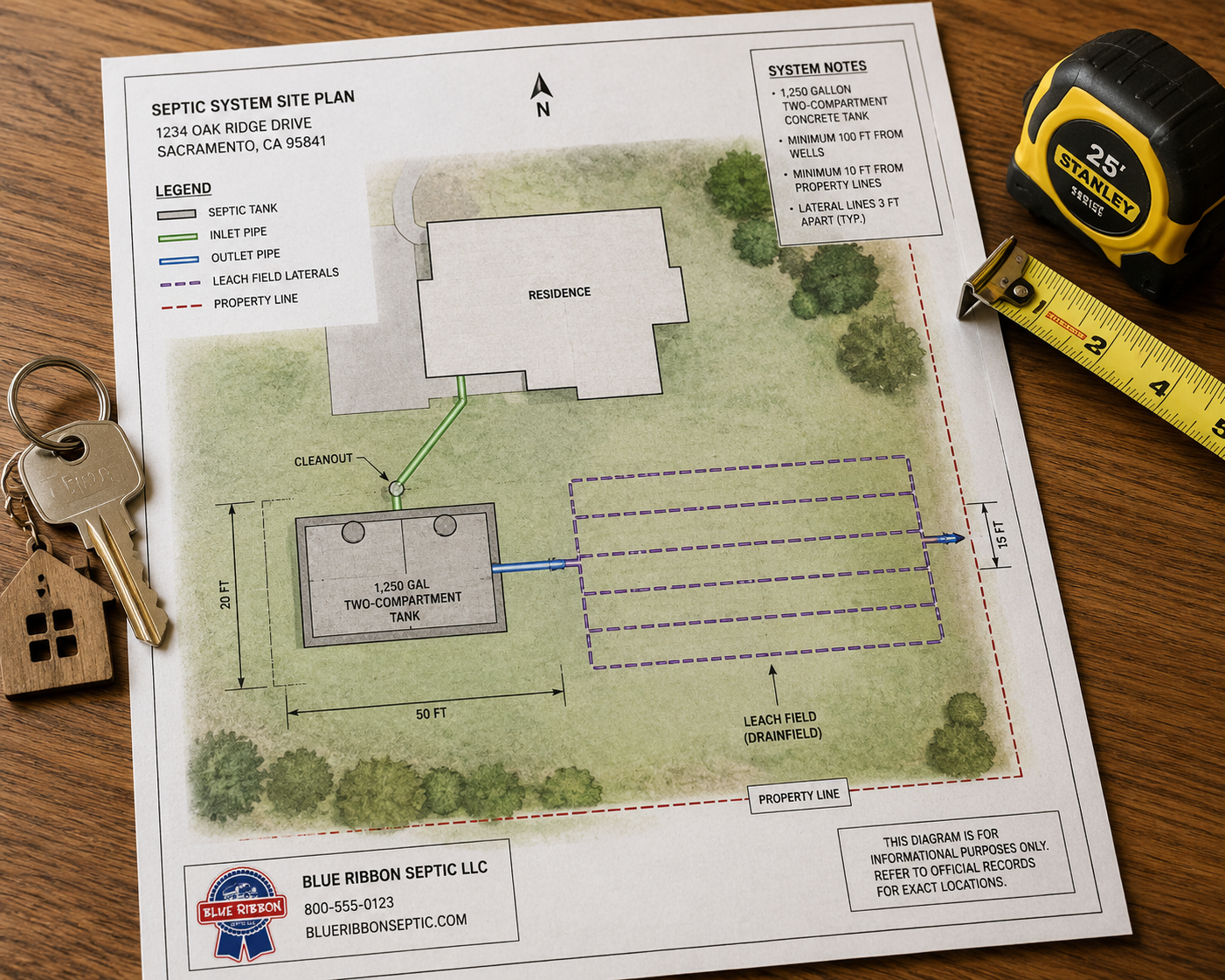
At its core, septic tank cleaning is the intentional removal of the three layers of waste inside your tank: the floating scum layer, the liquid effluent, and the heavy bottom sludge. While many people think "pumping" and "cleaning" are the same, a true cleaning involves agitating the solids to ensure that the thick, heavy byproduct at the bottom is actually extracted. Without this agitation, the "sludge" stays behind, reducing your tank's capacity and eventually forcing solid waste into your leach lines.
Understanding this distinction matters because your drainfield relies on a delicate balance of biology and physics. If you only perform a surface pump, the remaining solids continue to accumulate. Over time, these solids escape the tank and enter the soil of your drainfield, causing "biomat" buildup—a waterproof layer that prevents the ground from absorbing water. For homeowners, the real-world consequence is a system that no longer drains, leading to soggy patches in the yard and sewage backing up into your home. This is why septic tank cleaning and pumping is the most vital piece of preventative septic care you can invest in.
Prioritizing a thorough clean offers several practical advantages:
- Drainfield Protection: It prevents the "sludge judge" from reaching levels where solids can overflow into your absorption area.
- System Longevity: Removing hardened waste reduces the strain on your tank and keeps your wastewater management efficient.
- Early Detection: A full cleaning allows for a clear view of the outlet baffle, ensuring this critical component is still preventing solids from escaping.
Many property owners mistakenly believe that if they haven't had a backup, their system is fine. However, sludge removal isn't about fixing a current clog; it's about preventing the invisible damage that eventually leads to a total system replacement.
The Difference Between Pumping and Deep Cleaning: A Step-by-Step Breakdown
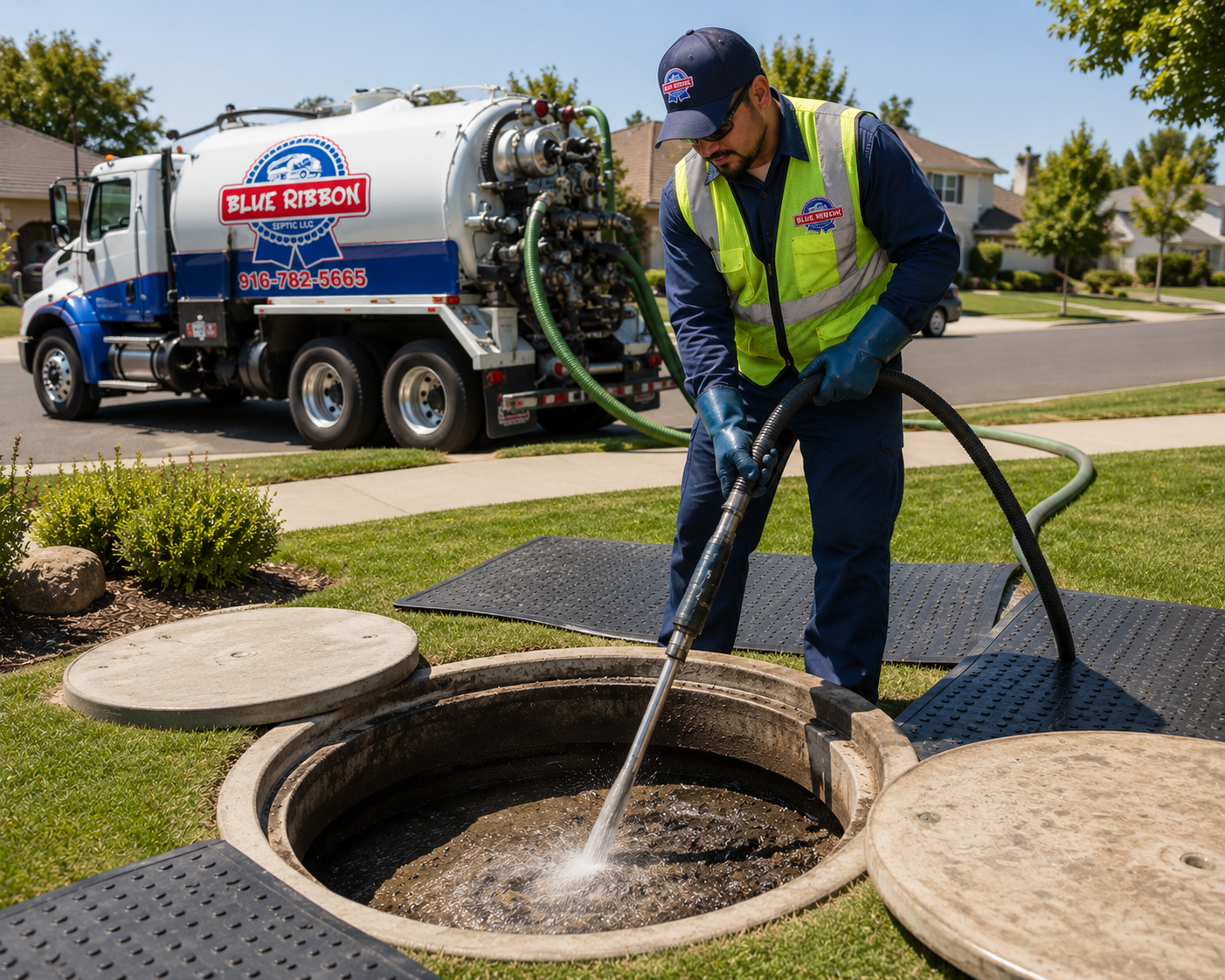
When you schedule septic tank cleaning, the goal is to reset your system to its baseline state. A common misconception is that a septic truck simply drops a hose into the tank and sucks out the liquid. While that technically "pumps" the tank, it leaves the most dangerous element behind: the heavy, compacted sludge at the bottom. To truly protect your investment, a professional service follows a specific, methodical process designed for septic system longevity.
Here is exactly how a thorough deep cleaning should be performed to ensure your system remains healthy and functional.
1. Locating and Accessing the Tank
The process begins by uncovering the main access ports of the septic tank. If your tank is buried deep underground, our technicians may recommend septic risers and lid installation to make future cleanings faster and less intrusive to your landscaping. Proper access is vital because cleaning through a small inspection pipe (the "white pipe" you might see in your yard) is physically impossible; a full-diameter opening is required to reach all corners of the tank.
2. Initial Pumping and Liquid Removal
The technician first removes the "scum" layer—the top layer of fats, oils, and grease—and the liquid effluent. This clears the way so the technician can see what is happening at the bottom of the tank. During this stage, a professional will also keep an eye on the liquid level. If the level is higher than the outlet pipe, it’s a sign of a potential blockage or a struggling drainfield that needs immediate attention.
3. Back-Flushing and Sludge Agitation
This is the most critical step that separates a "quick pump" from a professional septic tank cleaning. Once the liquid is lowered, the technician uses a process called back-flushing. They use the high-pressure flow of the pumped liquid to break up the thick, heavy sludge blankets at the bottom. This agitation turns the solid waste into a slurry that can actually be vacuumed out. Without this step, the heaviest solids stay in your tank, taking up valuable space and eventually overflowing into your drainfield.
4. Visual Inspection of System Components
Once the tank is empty, it provides a rare opportunity for a real estate septic system inspection or a routine health check. The technician will inspect the structural integrity of the tank, looking for cracks or signs of corrosion. Most importantly, they check the outlet baffle. This component acts as a gatekeeper, preventing any stray solids from escaping into the leach lines. If a baffle is damaged or missing, it must be replaced immediately to prevent permanent drainfield failure.
5. Verifying the "Inflow"
Before finishing, the technician may ask you to flush a toilet or run a faucet inside the house. This confirms that the line from the house to the tank is clear and that wastewater is entering the system properly. This final check ensures that the entire path of your home's wastewater management is unobstructed.
Why This Process Matters for Your Home
By following these steps, you aren't just emptying a container; you are performing preventative septic care. A standard pump removes the water, but a deep clean removes the "biological load" that threatens your soil's ability to process waste.
For homeowners in the Sacramento area, this level of detail is what prevents the dreaded "septic backup" on a holiday weekend or during a heavy rainstorm. When the sludge is fully removed, your tank has the maximum capacity to handle high-usage days, giving you peace of mind and saving you from the astronomical costs of a premature drainfield replacement. This thorough approach is the hallmark of 30 years of experience—doing the job right the first time so you don't have to worry about it later.
Putting Preventive Care Into Practice: Real-World Septic Success
Understanding the mechanics of your system is the first step, but seeing how professional maintenance plays out in everyday life helps illustrate the true value of a thorough clean. Here is how Sacramento septic services solve common property challenges.
- The Proactive Homeowner: A family in Elk Grove noticed their drains were slightly slower than usual. Instead of waiting for a backup, they scheduled a routine septic tank cleaning. The technician discovered that while the tank wasn't full, the outlet baffle was partially clogged with hair and lint. By cleaning the tank and clearing the baffle, the homeowner avoided a messy indoor backup and extended their septic system longevity.
- The Real Estate Transaction: During a home sale in Roseville, the buyer requested a full system evaluation. The deep cleaning process revealed a hidden crack in the tank that a simple surface pump would have missed. Because the issue was caught during a professional septic system inspection, the seller was able to perform repairs before closing, ensuring the new family moved in with a safe, reliable system.
- The Commercial Property: A local small business owner utilized regular sludge removal to prevent operational downtime. By keeping the solids low, they ensured their high-traffic restrooms never faced an emergency failure during business hours.
These examples show that whether you are maintaining a family home or managing a business, a detailed approach to septic health provides measurable peace of mind and financial protection.
Pro-Tips for Maximizing Your Septic System’s Lifespan
Applying the right maintenance strategy is the difference between a system that lasts thirty years and one that fails in ten. These experience-based insights will help you transition from basic understanding to effective, long-term drainfield protection.
- Ditch the "Flushable" Wipes: Despite what the packaging claims, wipes do not break down in your tank. They remain as heavy solids that contribute to rapid sludge buildup. Over time, these can bypass your outlet baffle and clog your pipes. Stick to septic-safe toilet paper to keep your wastewater management efficient and avoid premature cleaning cycles.
- Space Out Your Laundry: Flooding your system with too much water at once—like doing five loads of laundry on a Sunday—can create "hydraulic loading." This rushes water through the tank too quickly, pushing solids out into the drainfield before they have a chance to settle. Spacing out your water usage is a zero-cost way to improve septic system longevity.
- Keep Your Lids Accessible: If a technician has to spend an hour digging to find your tank, it adds unnecessary labor costs to your bill. Installing septic risers brings your access ports to the surface, allowing for easier inspections and faster, more thorough cleanings without tearing up your lawn.
- Monitor Your Drainfield Area: Never park cars, build structures, or plant trees over your leach lines. Soil compaction and root intrusion are leading causes of system failure. Keeping this area clear ensures the soil can continue to breathe and process effluent effectively.
By following these practical best practices, you move beyond reactive repairs and toward a truly proactive maintenance plan that saves you money and stress.
Protecting Your Property with Expert Septic Care
Proper septic tank cleaning is the single most effective way to prevent catastrophic drainfield failure and maintain a healthy, functional home. You now understand that a true deep clean involves more than just a surface pump; it requires the thorough agitation and removal of heavy sludge to ensure your system’s long-term health. By prioritizing this level of preventative septic care, you are effectively shielding your property from the high costs and stress of unexpected backups.
Taking action today means you won't be caught off guard by a system failure tomorrow. Whether you are due for routine maintenance or need a professional eye to check your system's integrity, choosing an honest, experienced partner is the best way to ensure your wastewater management remains invisible and trouble-free.
If you’re ready to extend the life of your system and get an honest assessment of your tank’s health, contact the experts at Blue Ribbon Septic today for professional septic tank cleaning and pumping you can trust.
Frequently Asked Questions
How often should I schedule professional septic tank cleaning?
Most residential systems require septic tank cleaning every 3 to 5 years, depending on the number of people in your home and your water usage. Regular cleaning prevents the sludge layer from growing too deep and escaping into your drainfield. If you use a garbage disposal frequently or have a large family, you may need to schedule a pump and deep clean more often to maintain optimal septic system longevity.
Can I skip cleaning if I use bacterial additives?
No. While additives can help break down some solids, they cannot eliminate the inorganic materials and heavy sludge that accumulate over time. Relying solely on chemicals often provides a false sense of security while sludge removal needs are ignored. Over time, these unmanaged solids will flow into your leach lines, leading to a "biomat" clog that can be incredibly expensive to repair or replace.
What happens if I ignore my septic maintenance for too long?
Neglecting preventative septic care leads to "hydraulic overload" and solid carryover. When the tank is too full of sludge, wastewater pushes those solids directly into your drainfield pipes. This causes permanent soil clogging, surfacing sewage in your yard, and backups in your home. Often, the damage is so severe that a full real estate septic system inspection would reveal a failed system that must be entirely replaced.
Is there a difference between pumping and deep cleaning?
Yes. Standard pumping often just removes the liquid effluent, leaving the heavy, "caked-on" solids at the bottom. A professional deep clean involves back-flushing and agitating those solids so they can be fully vacuumed out. This thorough approach is the only way to reset your tank's capacity and ensure that your wastewater management system is truly clear of the debris that threatens your drainfield's health.