
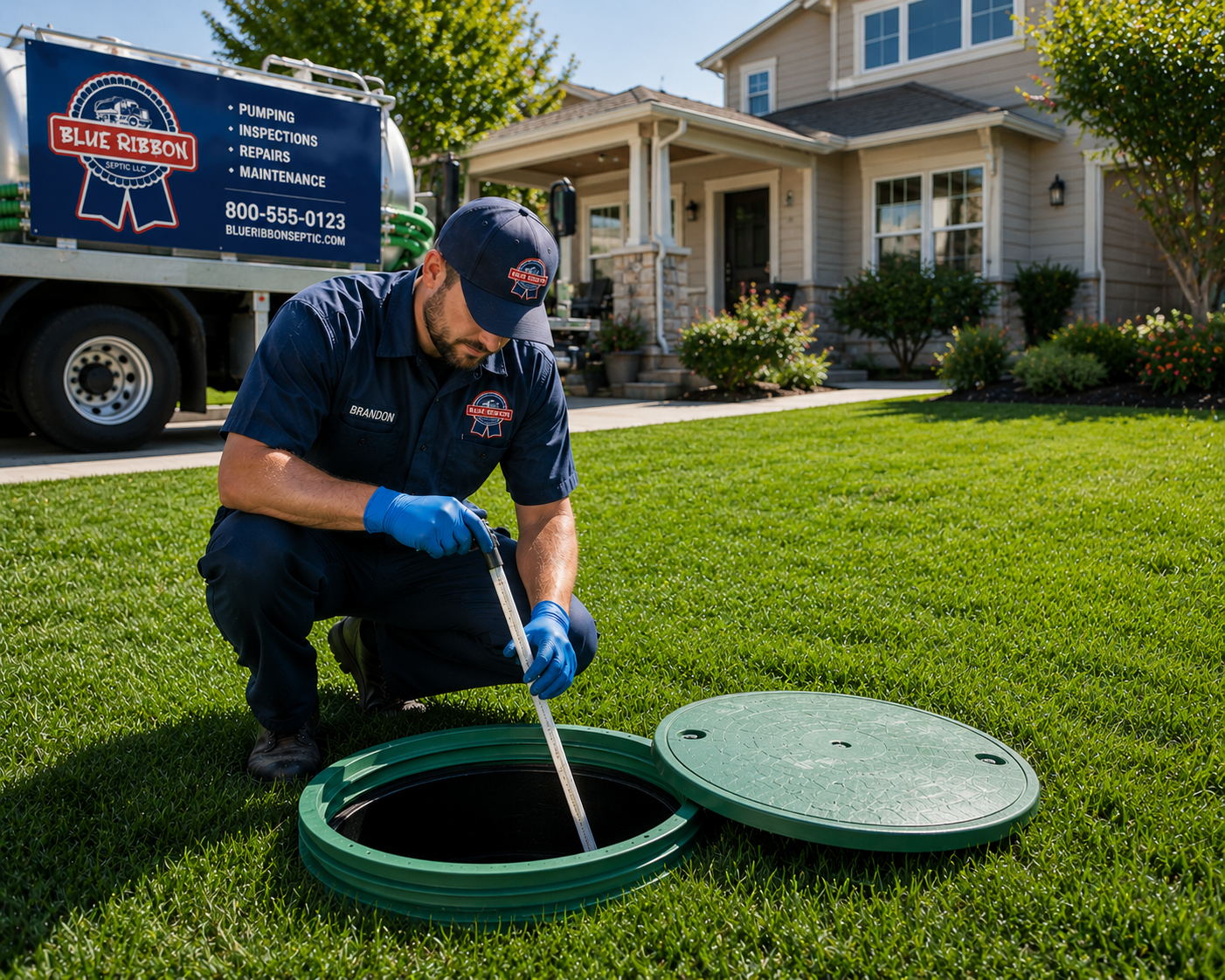
How to care for a septic tank boils down to three essential habits: being mindful of what goes down your drains, protecting your drainfield from heavy weight, and sticking to a professional septic tank pumping schedule every 3 to 5 years. For most homeowners, the septic system is "out of sight, out of mind" until a slow drain or a foul odor in the yard turns into a messy, expensive backup.
Neglecting septic system maintenance doesn't just cause a temporary headache; it can lead to total system failure, potentially costing tens of thousands of dollars in repairs and devaluing your property. By understanding the basics of septic tank care tips, you can extend the life of your system and keep your household running smoothly without the stress of unexpected emergencies. In this guide, you’ll learn exactly what to avoid, what to watch for, and how to create a proactive plan that saves you money long-term.
Let’s dive into the practical steps you can take today to ensure your system remains healthy for years to come.
The Essentials of Effective Septic System Maintenance
At its core, how to care for a septic tank is about managing a living biological filter. Your septic system is an underground wastewater treatment structure that uses a combination of nature and technology to treat waste from your bathrooms, kitchen, and laundry. Inside the tank, solids settle to the bottom while bacteria work to break down organic matter, allowing clarified water to exit into the drainfield.
Understanding this process matters because your septic system is one of the most expensive components of your home. When you stay on top of septic system maintenance, you aren't just checking a chore off a list; you are protecting your family’s health and your property value. A neglected system can lead to groundwater contamination or surfacing sewage, creating a hazardous environment in your own backyard. At Blue Ribbon Septic, we specialize in professional septic tank cleaning and pumping to ensure these biological processes stay balanced and your home remains a safe haven.
By prioritizing a proactive approach to how to care for a septic tank, you gain several practical advantages:
- Long-Term Savings: Regular septic tank service prevents the need for a total system replacement, which can cost tens of thousands of dollars.
- Property Compliance: For those looking to sell, a well-maintained system is vital for passing real estate inspections.
- Reliability: You avoid the "emergency" of a backed-up toilet during a holiday weekend or a family gathering.
A common mistake many homeowners make is assuming that if there’s no smell, there’s no problem. However, waiting for a visible failure often means the damage is already done. Understanding the specific habits that protect your system is the next step in becoming a savvy property owner.
Essential Habits for Long-Term Septic Health
Mastering how to care for a septic tank requires a combination of smart indoor habits and proactive outdoor maintenance. While the system is designed to handle human waste and toilet paper, it is a delicate ecosystem that can easily be disrupted by modern household chemicals or neglect. By following a structured approach to septic tank care tips, you can ensure your system remains efficient and avoid the high costs associated with a premature septic system repair.
1. Protect Your Bacteria: Watch What Goes Down the Drain
Your septic tank relies on healthy bacteria to break down solids. If you kill these bacteria, the solids will accumulate rapidly and eventually clog your drainfield. To keep the "good bugs" alive, avoid pouring harsh chemicals, such as bleach, drain cleaners, or oil-based paints, down the sink. Similarly, never flush non-biodegradable items like baby wipes (even "flushable" ones), feminine hygiene products, or paper towels. These items do not break down and are a leading cause of the signs your septic tank needs pumping earlier than expected.
2. Practice Water Efficiency
A septic system has a limited capacity for how much liquid it can process at once. When too much water enters the tank in a short period, it "pushes" untreated solids out into the drainfield.
- Spread out laundry loads: Instead of doing five loads of laundry on Saturday, spread them throughout the week.
- Fix leaks promptly: A single leaking toilet can add hundreds of gallons of unnecessary water to your tank every day.
- Install high-efficiency fixtures: Low-flow showerheads and toilets significantly reduce the daily strain on your system.
3. Maintain the "Top Side" of Your System
The area above your tank and drainfield needs specific attention. To prevent structural damage, never park vehicles or drive heavy equipment over the septic area, as this can crush pipes or compact the soil. Additionally, ensure that your gutters and landscape drainage are directed away from the drainfield. Excess rainwater can saturate the soil, making it impossible for the system to treat wastewater effectively. If you are tired of digging up your lawn every time you need an inspection, consider septic risers and lid installation to provide easy, ground-level access.
4. Schedule Professional Pumping and Inspections
Even with perfect habits, every septic tank eventually fills with "sludge" (the heavy solids at the bottom) and "scum" (the fats and oils at the top). If these layers aren't removed, they will eventually exit the tank and ruin your drainfield.
A common question is how often to pump a septic tank. For a standard family of four, professional septic tank pumping should occur every 3 to 5 years. However, this depends on your tank size and household usage. During a routine real estate septic system inspection, a technician can measure these layers and give you a more accurate timeline for your specific property.
5. Keep Detailed Records
One of the most overlooked aspects of how to care for a septic tank is documentation. Keep a folder that includes a map of your system's location, a log of all pumping dates, and records of any repairs. This is invaluable when it comes time to sell your home or if a technician needs to troubleshoot a sudden issue.
By implementing these steps, you move from reactive "firefighting" to proactive management. This shift doesn't just protect your wallet; it ensures that your home’s waste management remains invisible and hassle-free, exactly as it should be.
Seeing Success: How to Care for a Septic Tank in Real-World Scenarios
Transitioning from maintenance theory to everyday life helps illustrate why consistent septic tank maintenance is a game-changer for property owners. Here is how proactive care plays out in common household situations.
- The Family Milestone: A homeowner in Sacramento was preparing to host a large graduation party. Recognizing the increased strain on the system, they scheduled a professional lift station pumping and inspection two weeks prior. By ensuring the system was empty and the alarms were functional, they avoided a messy backup during the event, providing total peace of mind while hosting dozens of guests.
- The Savvy Home Seller: During a pre-listing evaluation, a seller noticed slow drains—one of the classic signs your septic tank needs pumping. Instead of waiting for a buyer's inspector to find the fault, they invested in a professional septic tank cleaning and baffle replacement. This small investment allowed them to provide a "clean bill of health" during the sale, preventing any price haggling or closing delays.
- The New Homeowner: After moving into a rural property, a couple used our septic tank care tips to map their yard and install high-efficiency faucets. By managing their water load from day one, they extended their pumping interval by two years compared to the previous owners.
These examples show that whether you are planning a party or a property sale, knowing how to care for a septic tank prevents small issues from becoming expensive disasters.
Expert Insights: Getting the Most Out of Your Septic System
Learning how to care for a septic tank is a great first step, but applying these professional insights is what truly separates a high-performing system from one prone to failure. These best practices for septic system maintenance help you avoid common pitfalls and keep your home running smoothly.
- Mind Your Additives: Many homeowners think "miracle" tank additives replace the need for a pump-out. In reality, some chemicals can actually emulsify solids, sending them directly into your drainfield and causing permanent damage. Stick to natural bacterial balance and regular septic tank service instead.
- Identify Your Tank Location Early: Don't wait for an emergency to find your lids. If your tank is buried deep, consider a professional septic riser and lid installation to bring access to the surface. This prevents your yard from being dug up every few years and makes inspections much faster.
- Monitor Your Drainfield Health: Keep an eye out for "unusually green" grass over your leach field, even in dry weather. This can be one of the subtle signs your septic tank needs pumping or that the field is becoming saturated. Addressing this early can prevent a total system collapse.
- Educate Your Guests: If you have visitors who aren't used to septic systems, gently remind them that "only toilet paper" goes down the drain. A quick mention can save you from an embarrassing and costly emergency backup during their stay.
By incorporating these expert-level septic tank maintenance tips into your routine, you ensure that your knowledge of how to care for a septic tank translates into a reliable, long-lasting system.
Take Control of Your Home’s Waste Management
Understanding how to care for a septic tank is about more than just avoiding bad smells; it is about protecting your home’s most critical infrastructure through consistent habits and professional oversight. You now have the tools to manage your water usage, protect your drainfield, and recognize the early warning signs that your system requires attention. By prioritizing septic system maintenance today, you are choosing to avoid the high costs and significant stress of a sudden system failure.
Don't wait for a slow drain or a soggy yard to tell you that your tank is overdue for service. Taking a proactive approach now ensures your property remains safe, compliant, and functional for decades to come. Whether you are due for routine maintenance or need an expert evaluation of your system's health, our team is here to provide honest, reliable solutions tailored to your specific needs.
Ready to secure your home’s long-term health? Contact us today for professional septic tank cleaning and pumping and discover how to care for a septic tank with the help of experts who put your system first.
Connect With Blue Ribbon Septic
Stay updated on the latest maintenance tips, company news, and local service updates by following us online. We are proud to serve the Greater Sacramento area and value the trust our community places in us.
- Visit us on Yelp: Blue Ribbon Septic Service
- Follow us on Instagram: @blueribbonseptic
- Find us on MapQuest: Loomis Service Location
Common Questions About How to Care for a Septic Tank
How often should I schedule septic tank pumping?
For most households, professional pumping is required every 3 to 5 years. However, the exact frequency depends on your tank size and the number of people in your home. If you use a garbage disposal frequently or have a smaller tank, you may need more regular septic tank cleaning to prevent solids from reaching your drainfield and causing a system backup.
What are the most common signs your septic tank needs pumping?
The most reliable indicators include slow-draining sinks, gurgling sounds in your pipes, or foul odors lingering in your yard. You might also notice patches of lush, vibrant green grass over the drainfield even during dry spells. If you experience sewage backing up into your lowest drains, you likely need an emergency septic tank service to resolve the blockage and protect your home.
Can I use additives instead of professional septic system maintenance?
No. While some products claim to "eliminate" the need for pumping, they cannot remove the inorganic sludge that accumulates over time. In fact, some chemical additives can harm the natural bacteria your system relies on or emulsify solids, allowing them to clog your soil pipes. The best way to learn how to care for a septic tank is to prioritize physical inspections and mechanical pumping over "miracle" chemical fixes.
Why is septic tank maintenance so important for property owners?
Proactive maintenance prevents the "silent" failure of your drainfield. Once a drainfield is saturated with solids due to neglect, it often requires a full septic system repair or complete replacement, which can cost thousands of dollars. Regular care ensures your system remains compliant with local health codes and maintains your property value, making it a vital investment for any homeowner.


