
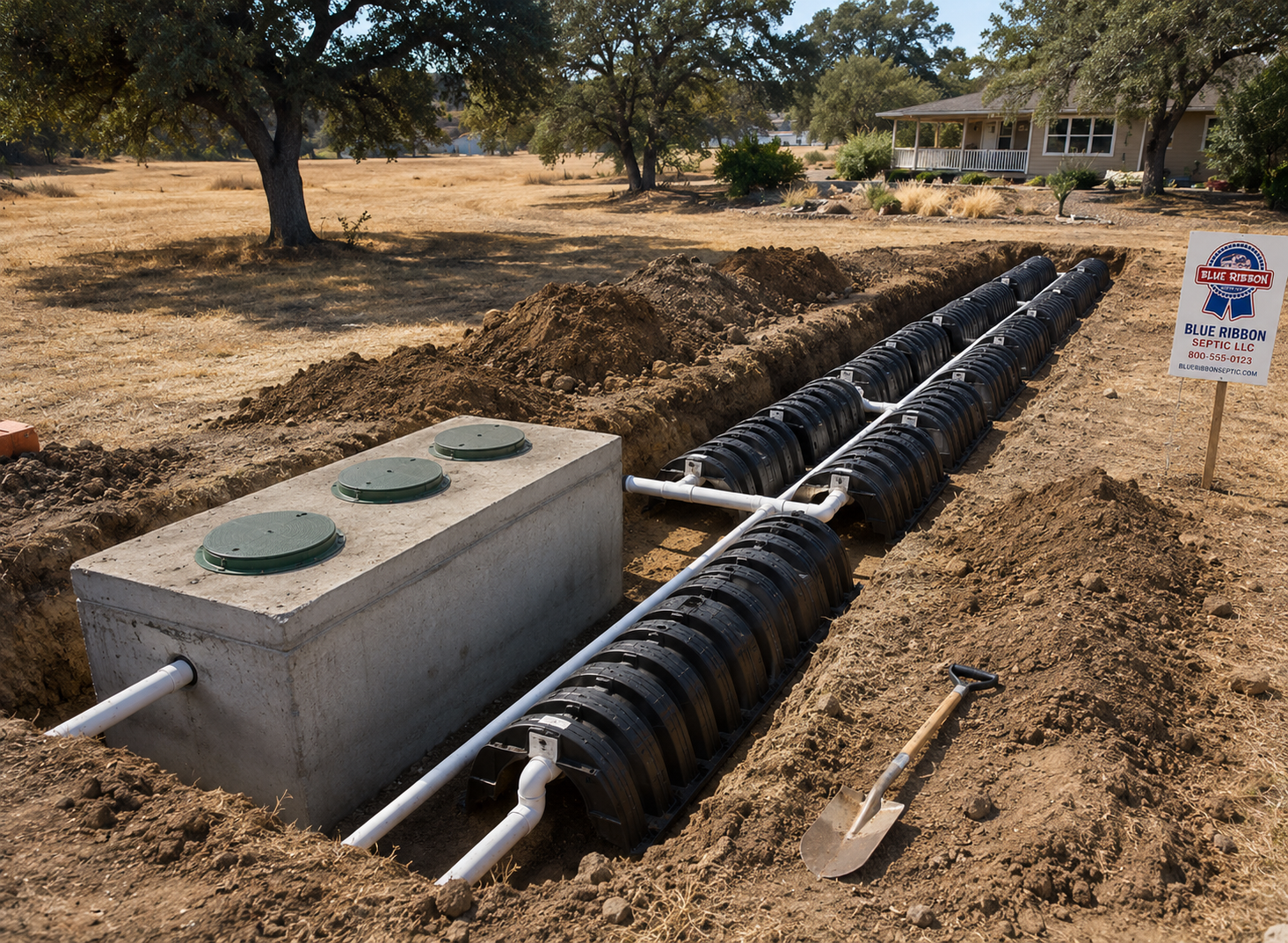
An infiltrator septic system is a modern, gravel-less drainage solution that uses high-density polyethylene chambers to treat and disperse wastewater into the soil. If you are dealing with a failing traditional drain field or planning a new build, these systems offer a more efficient and smaller footprint than old-school pipe-and-gravel setups.
Choosing the right wastewater treatment method is one of the most critical decisions you’ll make for your property’s long-term health. For homeowners in the Sacramento area, a failing leach field isn't just an inconvenience—it’s a health hazard and a massive financial burden that can lead to surface breakouts and property damage. Understanding how a septic system works with modern chamber technology can save you thousands in future repairs and landscaping costs.
In this guide, we will break down the specific benefits of an infiltrator septic system, explain the installation process, and help you decide if this technology is the right fit for your home’s needs. Let's dive into the details of how these chambers are changing modern septic design.
Understanding the Infiltrator Septic System and How It Works
An infiltrator septic system is an advanced subterranean drainage solution that replaces traditional stone and pipe leach fields with engineered plastic chambers. Manufactured by Infiltrator Water Technologies, these hollow, bottomless septic chambers are designed to create a large void space underground. This space allows effluent from the septic tank to be stored and gradually filtered into the soil, where natural bacteria complete the purification process. Because these chambers provide significantly more surface area for soil absorption than gravel-filled trenches, they are often more efficient at handling high volumes of water.
For homeowners in the Sacramento region, the choice of drainage technology is a high-stakes decision. A standard gravel system can become clogged over time with "biomat," a slimy layer of bacteria that eventually prevents water from soaking into the ground. When this happens, you face the nightmare of surfacing sewage or slow-draining toilets. By choosing an infiltrator septic system, you are investing in a design that is less prone to clogging and far easier to service. If your current system is already showing signs of age, a professional real estate septic system inspection can help determine if your soil can support a chamber-based upgrade.
The practical benefits of this technology are clear:
- Smaller Footprint: Because these chambers are more efficient, the total size of the drain field can often be reduced, saving your landscaping.
- Long-Term Durability: Made from high-density polyethylene, these drain field chambers won't crush or corrode like older materials.
- Superior Performance: The open-bottom design allows for maximum infiltration, which is essential for consistent septic tank cleaning and pumping intervals.
A common misconception is that all septic systems are essentially the same. In reality, the way your system handles wastewater determines whether it will last 15 years or 50. Understanding these differences is the first step toward a worry-free home.
The Advantages and Step-by-Step Infiltrator Septic System Installation
Upgrading to an infiltrator septic system is a strategic move for any property owner looking to modernize their home's infrastructure. While the concept of wastewater treatment remains the same—separating solids from liquids—the way an Infiltrator system handles the liquid "effluent" is significantly more advanced than older methods. By utilizing high-strength leach field chambers, these systems provide a more reliable path for water to return to the earth.
Why Choose Infiltrator Chambers?
Traditional systems rely on a thick layer of crushed stone to create "void space" for water storage. However, stone takes up a lot of room and can actually compact the soil over time. Infiltrator septic system technology uses a hollow arch design, meaning 100% of the space inside the chamber is available for water storage. This efficiency often allows for a smaller total footprint, which is a major benefit for homeowners in areas like Auburn or Citrus Heights where yard space may be limited or landscaping is a priority.
The Installation Process: What to Expect
Installing a chamber-based system is typically faster than a stone-and-pipe setup, but it requires precision and adherence to local environmental codes. Here is the general process our team follows:
- Site Evaluation and Permitting Before any dirt is moved, a soil perk test is conducted to ensure the ground can absorb water at the necessary rate. This determines the number of septic chambers required for your specific household size and soil type.
- Excavation and Trenching The area is excavated to the depth specified by the engineer. Unlike gravel systems, which require deep, wide trenches to accommodate the stone, Infiltrator trenches are often narrower and shallower, causing less disruption to your property.
- Setting the Septic Tank The septic tank—the heavy-duty container where primary treatment happens—is leveled and installed. It’s vital that the tank is positioned correctly to allow gravity to move the effluent into the drain field. If your property has unique elevations, we may discuss lift station pumping solutions to help move waste uphill.
- Connecting the Chambers The lightweight chambers are moved into the trenches by hand and snapped together. They lock in place to create a continuous, sturdy tunnel. Because there is no gravel to haul in, the risk of heavy machinery compacting the soil in your delicate drain field is greatly reduced.
- Final Inspection and Backfilling Once the chambers are connected to the tank and the end caps are secured, a local inspector verifies the installation. The trenches are then backfilled with native soil and the area is graded.
Maintenance for Long-Term Success
Even the most advanced infiltrator septic system requires basic care to prevent failure. The chambers are designed to last for decades, but they cannot process "trash" or excessive grease. Regular inspections of your outlet baffles are essential to ensure that solids stay in the tank and don't migrate into your expensive chamber field.
One simple tip we give our customers in Colfax and Cool is to keep heavy vehicles and livestock off the drain field. While the chambers are incredibly strong, excessive weight can eventually damage the soil's ability to breathe, leading to backups.
Ultimately, the goal of this modern design is to make your wastewater treatment invisible and trouble-free. By removing the need for gravel and increasing the soil’s exposure to air, these systems provide a cleaner, more efficient way to manage your home's waste. Whether you are building a new home or replacing an old field, these chambers offer a practical, high-performance solution that adds real value to your property.
Real-World Applications of an Infiltrator Septic System
Now that you understand the mechanics, it is helpful to see how an infiltrator septic system solves common property challenges in our local area. These scenarios highlight why switching to modern septic chambers is often the most practical move for long-term reliability.
Use Case 1: The Small-Lot Solution
A homeowner in a dense residential area was facing a total leach field failure but had very limited yard space for a replacement. By choosing an infiltrator septic system, the installation team was able to reduce the required drain field size by nearly 30% compared to a gravel system. The outcome was a fully compliant, high-capacity system that preserved the homeowner’s existing deck and landscaping while restoring proper drainage.
Use Case 2: The Challenging Soil Fix
In areas with heavy clay soil, traditional pipe-and-gravel systems often struggle with "biomat" buildup that prevents absorption. A property owner utilized drain field chambers to maximize the "soil-to-air" interface, which promotes the growth of healthy bacteria that break down waste. To ensure the new setup remained in peak condition, they also scheduled professional septic risers and lid installation for easier maintenance access, resulting in a system that has run flawlessly for years.
Use Case 3: New Construction Efficiency
For a new build, a developer chose Infiltrator technology to speed up the construction timeline. Because the chambers are lightweight and require no heavy gravel deliveries, the system was installed in half the time of a traditional setup, significantly reducing site traffic and soil compaction.
These examples prove that modern chamber technology isn't just a theoretical upgrade—it’s a functional solution that adapts to the specific needs of your property.
Pro Tips for Maintaining Your Infiltrator Septic System
Moving from basic knowledge to long-term success with an infiltrator septic system requires a shift in how you view your property's infrastructure. These expert insights help ensure your septic chambers continue to function at peak performance, protecting your investment for decades to come.
- Monitor Your Water Load Strategically While an infiltrator septic system is highly efficient, it can still be overwhelmed by "hydraulic loading"—sending too much water down the drain at once. Space out laundry loads and fix leaky faucets immediately. Excessive water can saturate the soil around your drain field chambers, slowing down the natural purification process and risking a backup.
- Prioritize Easy Access for Service The best way to protect your drain field is to keep the tank healthy. Installing high-quality septic risers and lids makes routine inspections and pumping much easier. When a technician can easily check your effluent filters, they can catch small issues before solids ever reach your chambers.
- Keep the Surface Clear and Natural Only grow grass over your Infiltrator field. Deep-rooted trees or heavy structures can interfere with the wastewater treatment process or even crush the chambers. Proper airflow through the soil is vital for the aerobic bacteria that live beneath the chambers, so avoid paving over any part of the system.
Applying these best practices ensures your system remains a "set it and forget it" part of your home, reducing the risk of costly emergency repairs and extending the life of your soil's absorption capacity.
Investing in Your Infiltrator Septic System’s Future
Choosing an infiltrator septic system means moving toward a more resilient, space-efficient method of wastewater treatment. You now understand that by replacing heavy gravel with high-performance septic chambers, you can protect your property from premature drain field failure and ensure your home’s waste is managed safely for the long term.
Taking a proactive approach to your system today prevents the stress and expense of an emergency tomorrow. Whether you are installing a new system or maintaining an existing one, having an expert partner ensures your infiltrator septic system stays in peak condition. For honest, expert guidance and reliable maintenance, trust the team at Blue Ribbon Septic to provide the professional septic tank cleaning and pumping your home deserves.
Common Questions About the Infiltrator Septic System
How long does an Infiltrator septic system last?
An infiltrator septic system is designed to last 20 to 30 years or more with proper maintenance. Because the septic chambers are made of high-density polyethylene, they do not rust or degrade like older materials. To maximize this lifespan, ensure you stay on a regular schedule for septic tank cleaning and pumping to keep solids from entering and clogging the chamber soil.
What is the main benefit of using chambers over gravel?
The primary advantage of drain field chambers is increased efficiency. Traditional gravel systems occupy space that could be used for water storage; Infiltrator units provide a 100% open void space. This often allows for a smaller total footprint on your property and provides better "soil-to-air" contact, which is essential for effective wastewater treatment and long-term drainage health.
Can I drive over my Infiltrator leach field?
No, you should never drive vehicles or heavy equipment over an infiltrator septic system. While the chambers are engineered for high strength and can withstand the weight of soil and light foot traffic, heavy loads can compact the earth or shift the chambers. Compacted soil loses its ability to absorb water, which is the most common cause of premature leach field failure.
How do I know if my Infiltrator system is failing?
Signs of trouble include slow-draining toilets, gurgling pipes, or lush, spongy green patches over the septic chambers. If you notice foul odors or standing water in the yard, your soil may be saturated. Since an infiltrator septic system is a specialized setup, you should have a professional evaluate the baffles and tank levels immediately to prevent a complete backup.


