
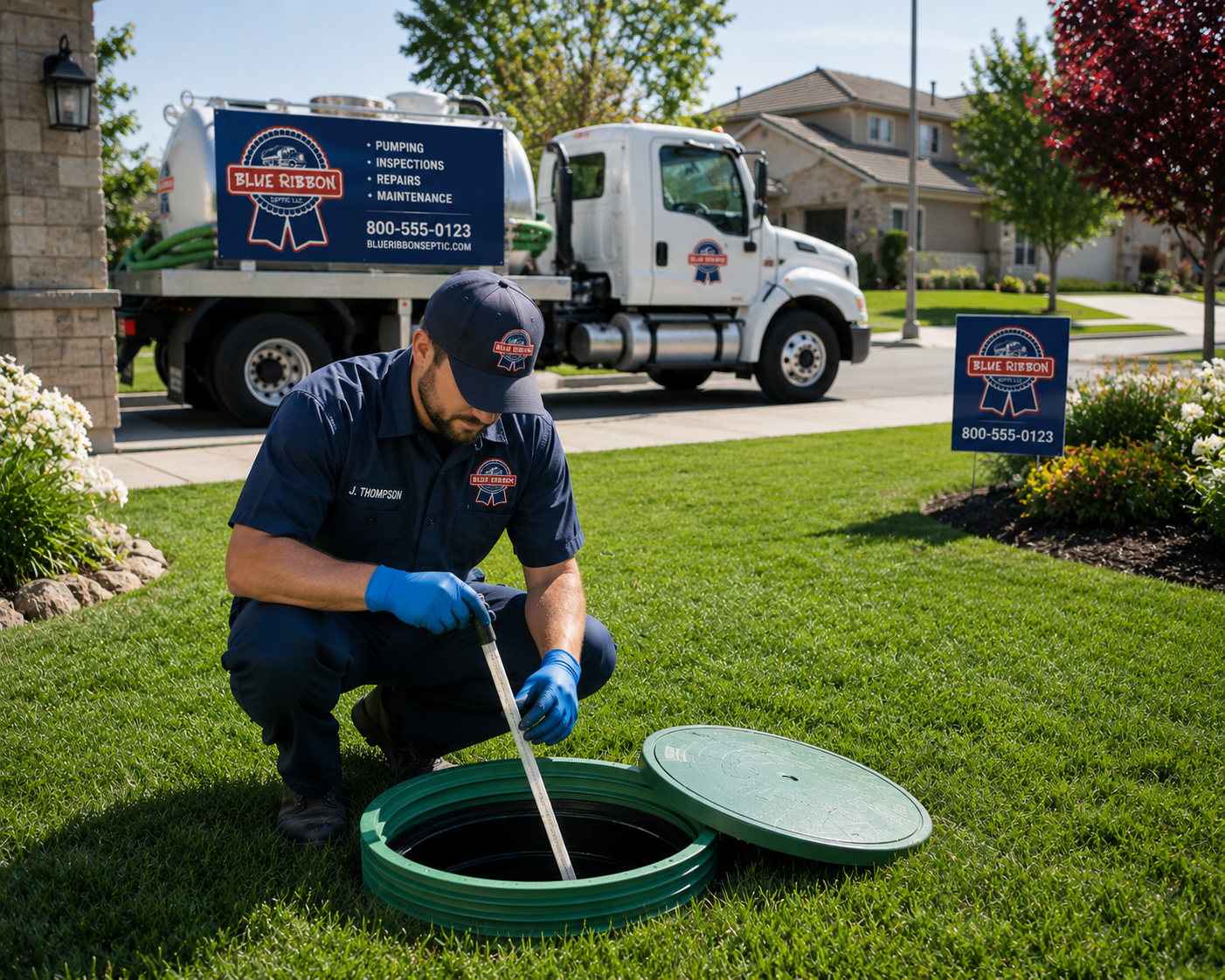
Maintaining septic system health shouldn't be a constant source of stress, yet a single backup can quickly derail your professional reputation and your budget. For Roseville property managers, the secret to hands-off reliability is a proactive approach to septic tank maintenance that prioritizes routine septic tank pumping before an emergency occurs. When a system fails, you aren't just dealing with a plumbing issue; you’re facing unhappy tenants, potential health code violations, and high-cost emergency repairs that eat into your property’s ROI.
This guide outlines how a structured approach to maintaining septic system performance protects your assets and keeps your daily operations running smoothly. You will learn how to identify early warning signs, establish a reliable service schedule, and choose a partner that values transparency over upselling. By the end, you’ll have a clear framework for managing your portfolio's waste systems with total confidence.
Here is how to stay ahead of the curve.
Why Proactive Septic Management is Essential for Property ROI
At its core, maintaining septic system health is the practice of monitoring and servicing the underground wastewater treatment structures that handle everything leaving your rental units. For a property manager, this involves more than just reacting to a crisis; it is a systematic process of septic tank cleaning and pumping to ensure that solids are removed before they can clog the drainfield. When a system is managed correctly, it functions as a silent utility, safely processing waste through biological decomposition and soil filtration without requiring daily thought.
In the real world, "out of sight" should never mean "out of mind." If you wait for a tenant to call about a backup, you have already lost the battle. Neglecting septic system maintenance leads to catastrophic soil failure, which can cost tens of thousands of dollars to replace—an expense that can wipe out years of rental profit in an instant. Beyond the financial risk, a failing system creates significant liability regarding environmental safety and habitability standards. By staying ahead of real estate septic system inspections, you protect your owner’s equity and ensure your tenants have a safe, functional home.
Focusing on maintaining septic system integrity offers several immediate professional advantages:
- Predictable Budgeting: Routine septic tank service is a fixed, manageable cost, whereas emergency repairs are volatile and expensive.
- Tenant Retention: Residents are far more likely to renew leases when they aren't dealing with slow drains or foul odors in the yard.
- System Longevity: Regular intervals of septic tank care can nearly double the lifespan of a traditional gravity-fed system.
A common mistake many managers make is assuming a system is fine just because it isn't overflowing. In reality, the most expensive damage often happens silently underground long before the first warning sign appears.
A Proactive Blueprint for Maintaining Septic System Health
Reliable property management depends on predictable systems. When maintaining septic system performance across your Roseville portfolio, the goal is to shift from a "break-fix" mentality to a structured preventative model. This not only preserves the property's infrastructure but also keeps your overhead low. By implementing a standardized service rhythm, you ensure that septic services are performed by professionals who understand the specific soil conditions and regulations of the Greater Sacramento area.
Step 1: Establish an Accurate Service History
You cannot manage what you do not measure. For many property managers, the biggest hurdle is a lack of documentation on existing tanks. Start by identifying the location, size, and last service date for every unit. If a tank's location is unknown, professional tank locating and outlet baffle replacement services are essential. Knowing exactly where the tank and drainfield are located prevents accidental damage from heavy equipment or landscaping projects, which are common causes of premature system failure.
Step 2: Schedule Regular Septic Tank Pumping
The most critical part of maintaining septic system longevity is the removal of accumulated solids. Over time, "sludge" and "scum" layers build up in the tank. If these layers become too thick, solids begin to escape into the drainfield, leading to soil clogging and total system failure.
- Residential Rentals: Typically require septic tank pumping every 3 to 5 years.
- High-Occupancy Units: If you manage multi-family properties, you may need to increase this frequency.
- Commercial Properties: These often require specialized lift station pumping to ensure wastewater moves efficiently against gravity to the treatment area.
Step 3: Modernize Access with Risers and Lids
Efficiency is a key part of property management. If your technicians have to dig up a foot of dirt every time they perform a septic tank service, you are paying for unnecessary labor. Installing septic risers and lids brings the access point to the surface. This makes inspections faster, cheaper, and much easier to perform during the rainy season when digging is difficult. It also allows for quick visual checks if a tenant reports a slow drain.
Step 4: Educate Tenants on "Septic-Safe" Living
Even the best septic system maintenance plan can be undone by a tenant who treats the toilet like a trash can. Provide a simple "Septic 101" guide to every new resident. Emphasize that the following should never enter the system:
- "Flushable" Wipes: These do not break down and are a leading cause of backups.
- Fats, Oils, and Grease (FOG): These solidify in the tank and can clog the inlet pipes.
- Harsh Chemicals: Excessive bleach or drain cleaners kill the beneficial bacteria needed for waste decomposition.
Step 5: Conduct Annual Visual Inspections
Between major pumping appointments, an annual "walk-over" is a low-cost way to spot trouble early. Look for unusually lush green grass over the drainfield (a sign of over-saturation), soft spots in the soil, or any sewage odors. Catching a failing baffle or a cracked pipe during a routine check is significantly cheaper than dealing with an emergency overflow on a holiday weekend.
By following this structured approach, you ensure that care of septic system components is a background task rather than a frontline crisis. This professional oversight allows you to report back to property owners with confidence, showing them that their investment is being protected by high-quality, honest septic pumping and maintenance strategies.
Strategic Septic Management in Action
Transitioning from a general maintenance plan to active property oversight is best understood through real-world application. Here is how maintaining septic system health looks for Roseville managers in different scenarios:
- The Proactive Multi-Unit Upgrade: A property manager overseeing a triplex noticed high water usage leading to frequent drainage sluggishness. By scheduling immediate septic tank cleaning and pumping, the manager prevented a full system backup. This proactive septic system maintenance saved the owner over $5,000 in potential drainfield restoration costs and kept all three tenants satisfied.
- The Real Estate Transition: During a property handover in Lincoln, a manager used a professional inspection to identify a failing outlet baffle. Addressing this during routine septic tank service meant the repair was handled before a new family moved in, avoiding an emergency call-out during their first week of occupancy.
- The Remote Management Solution: For an out-of-state owner, a manager installed risers and lids to simplify septic tank care. This allowed for quick, "no-dig" inspections that verified system health without damaging the landscaping or requiring the manager to be on-site for hours.
These examples demonstrate that consistent maintaining septic system protocols aren't just a technical necessity—they are a core component of professional, stress-free property management.
Expert Strategies for Efficient Septic Portfolio Management
Moving beyond the basics of maintaining septic system health requires a focus on long-term efficiency and vendor transparency. These professional insights help bridge the gap between simple oversight and expert-level asset protection.
- Audit Your "Flushable" Policy: Ensure your lease agreements explicitly forbid "flushable" wipes. Despite their name, these are the primary cause of premature septic tank pumping needs. Reminding tenants that they are liable for damages caused by improper disposal drastically reduces your frequency of emergency calls.
- Insist on Honest, Non-Commission Inspections: When scheduling septic system maintenance, work with technicians who aren't incentivized to find "problems." At Blue Ribbon Septic, our team doesn't work on commission, ensuring your septic tank service recommendations are based on actual system needs rather than sales quotas.
- Map Every System Digitally: Keep a digital folder for each property containing photos of the tank location and drainfield. This allows you to provide immediate guidance to landscapers or contractors, preventing them from driving heavy vehicles over sensitive components—a common cause of crushed pipes and soil compaction.
- Monitor Water Softener Discharge: If your Roseville properties use water softeners, ensure they are high-efficiency models. Excessive salt brine can disrupt the natural bacterial balance essential for maintaining septic system function, leading to more frequent sludge accumulation.
Applying these focused best practices ensures your maintenance schedule remains a predictable line item rather than a source of financial surprises.
Secure Your Portfolio with Expert Septic Oversight
Successfully maintaining septic system health across your Roseville properties comes down to consistency, documentation, and choosing the right service partner. You now have a framework to transition from reactive repairs to a professional maintenance model that includes routine septic tank pumping and proactive tenant education. By treating your waste systems as a critical utility rather than an afterthought, you protect your property’s value and ensure a seamless experience for your residents.
Taking these steps today prevents the high-cost disruptions of tomorrow. Whether you are managing a single-family home in Granite Bay or a commercial portfolio, prioritizing reliable septic system maintenance is the most effective way to eliminate operational headaches. Don't wait for a warning sign to find out your system is at risk; professional oversight provides the peace of mind that your infrastructure is operating exactly as it should.
Ready to simplify your property management workflow? Contact Blue Ribbon Septic today for honest, dependable maintaining septic system solutions and professional service you can trust.
Common Questions About Maintaining Septic System Performance
How often should I schedule septic tank pumping for a rental property?
For most residential rentals in Roseville, maintaining septic system health requires pumping every 3 to 5 years. However, if the property is a multi-family unit or has a high occupancy rate, you should consider more frequent septic tank cleaning to prevent solids from overflowing into the drainfield. Consistent servicing ensures the system remains reliable for your tenants and prevents the need for emergency repairs.
What are the early warning signs that a septic system needs service?
The first signs usually include slow-draining sinks, gurgling noises in the pipes, or foul odors near the tank. If you notice unusually lush, green patches of grass or soggy soil over the drainfield, the system is likely struggling to process effluent. Addressing these issues early through professional septic tank maintenance can prevent a total system failure and protect your property’s long-term habitability and value.
Can I perform septic system maintenance myself?
While property managers can handle visual inspections and tenant education, technical maintaining septic system tasks require professional expertise. Tasks such as measuring sludge layers, checking outlet baffle replacement needs, and pumping the tank involve hazardous gases and specialized equipment. Relying on a professional ensures the job is done safely, remains code-compliant, and is documented for your property records.
Do "flushable" wipes really damage septic systems?
Yes. Despite the labeling, "flushable" wipes do not break down like toilet paper and are a leading cause of clogged pipes and premature septic tank pumping needs. They often get caught in the baffles or create a thick layer of debris that traps other solids. For property managers, strictly forbidding these wipes in the lease agreement is a critical step in professional septic tank care.


