
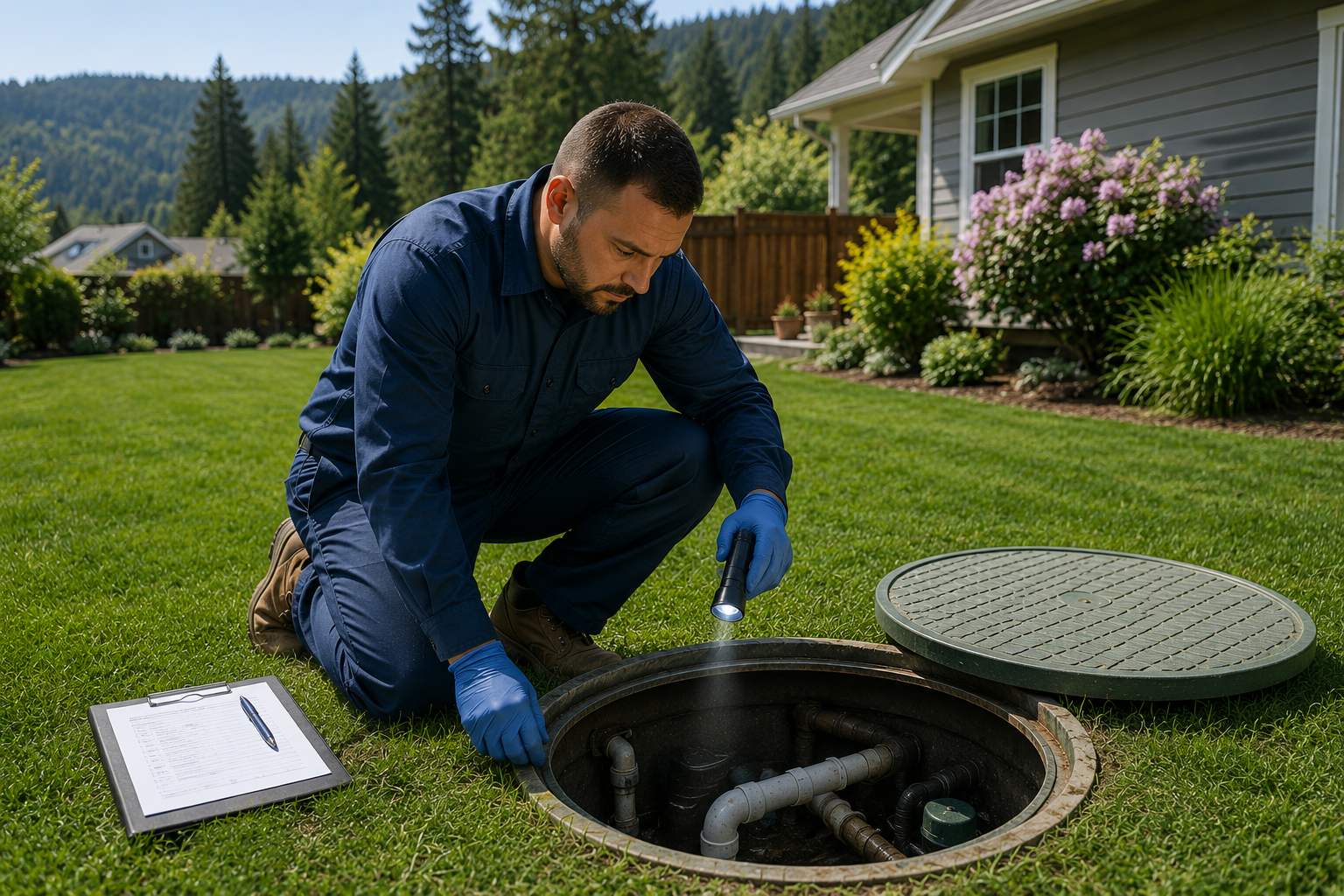
A professional septic inspection is the most effective way to identify hidden system issues before they derail a home sale or surprise a buyer with thousands in unexpected repairs. When you are navigating a septic tank real estate inspection, clarity is your greatest asset. Whether you are a seller looking to avoid last-minute contract renegotiations or a buyer wanting to ensure your future home is move-in ready, an accurate septic inspection report provides the confidence needed to finalize your transaction.
Too often, vague assessments lead to unnecessary stress and transaction delays. By choosing an honest, comprehensive evaluation, you ensure that every decision is based on the system’s actual condition rather than guesswork. In this article, you will learn why transparent reporting is the key to a frictionless closing and how to keep your real estate deal moving forward. Let’s look at why your choice of inspector matters.
Understanding the Role of a Professional Septic Inspection
A septic inspection is a comprehensive evaluation of a property’s onsite wastewater treatment system designed to determine its current functionality, structural integrity, and code compliance. Unlike a standard home inspection, which may only superficially check for signs of backup, a dedicated real estate septic system inspection involves locating the tank, verifying the condition of internal components like the outlet baffle, and ensuring the drain field is absorbing effluent properly. Essentially, it is a diagnostic deep-dive that confirms whether the system is a reliable asset or a hidden financial liability.
For anyone involved in a property transaction, this process matters because the stakes are high. A failed septic system inspection near me, or anywhere, for that matter, can suddenly drop thousands of dollars of repair costs onto a seller’s lap or force a buyer to reconsider their purchase entirely. Real estate transactions require certainty, and a detailed septic inspection provides the objective data necessary to negotiate fairly or proceed with peace of mind.
Beyond the transaction, these inspections protect your investment by catching small, manageable issues before they escalate into full-scale system failures. A common misconception is that if the drains are moving, the system is fine; however, internal damage can exist long before a backup occurs. Whether you need a simple assessment or a more complex tank locating and outlet baffle replacement, having a clear, expert-verified septic inspection report is the most effective way to ensure long-term health. By prioritizing this step, you avoid the anxiety of "what-ifs" and ensure the property's waste management system is safe, legal, and ready for the future.
How Transparent Reporting Simplifies Home Septic Tank Inspections
When you are in the middle of a real estate transaction, uncertainty is the enemy. A comprehensive real estate septic system inspection provides more than just a pass/fail grade; it offers a detailed roadmap of the system’s health. By choosing a provider that prioritizes honest, non-commissioned reporting, you remove the guesswork that often plagues these deals. When everyone involved has a clear, accurate, and unbiased septic inspection report, the path to a smooth closing becomes much clearer.
Why Objectivity Changes the Deal
Many homeowners worry that a septic inspection will result in a long list of expensive, unnecessary repairs. This fear often stems from experiences with commission-based technicians who benefit from suggesting upgrades. When you select an inspection team that operates without sales quotas or commissions, you receive a report based strictly on the system's needs. This transparency is the cornerstone of a successful septic tank inspection because it allows all parties, buyers, sellers, and agents, to negotiate from a position of fact rather than speculation.
The Steps to a Reliable Inspection
A professional, honest inspection follows a logical, methodical process. By understanding these steps, you can better anticipate the flow of the evaluation and feel more confident during the real estate process.
- System Research and Mapping: Before opening a single lid, a technician must first understand the system’s design. This involves identifying the location of the tank and the distribution box. For older properties, this may require tank locating and outlet baffle replacement services to ensure the entire system is accessible and accounted for.
- Structural Integrity Check: The inspector examines the tank for cracks, root intrusion, or concrete deterioration. A structurally sound tank is essential for long-term safety, and this step ensures there are no major liabilities hidden beneath the soil.
- Component Functionality Test: This is where the "real world" performance is tested. The technician evaluates the baffles, which are critical for preventing solids from entering the drain field, and checks for signs of previous backups or sluggish drainage.
- Operational Assessment: By running a calculated volume of water through the system, the inspector observes how the drain field handles the load. This prevents the "hidden failure" scenario where a system looks fine on the surface but struggles under the pressure of daily use.
- Final Reporting: This is the most crucial part for real estate deals. A high-quality report should be clear, jargon-free, and easy to understand for all parties. It should explicitly state the condition of the system and, if repairs are needed, provide honest, direct recommendations without high-pressure sales tactics.
Avoiding Common Inspection Pitfalls
One of the biggest mistakes in home septic tank inspections is waiting until the last minute. When the inspection is scheduled just days before closing, any unexpected findings can create panic. It is always better to build in time for a thorough evaluation. Additionally, avoid the trap of assuming that a pumping service is equivalent to an inspection. While they are often performed together, an inspection goes much further by evaluating the system’s mechanical and structural health, not just the volume of waste inside.
By ensuring your septic inspection is handled by a team that values long-term performance over short-term sales, you turn a potentially stressful contingency into a straightforward part of your transaction. This level of clarity protects the buyer, reassures the seller, and keeps the real estate deal moving toward a successful finish line.
Real-World Applications for Seamless Property Transitions
Applying a professional septic inspection process is often the deciding factor in whether a home purchase proceeds smoothly or stalls entirely. Below are three common scenarios that demonstrate how clear, honest reporting benefits everyone involved.
Scenario 1: The First-Time Homebuyer A couple looking to purchase their first home were concerned about the age of the property’s septic system. By scheduling a comprehensive septic tank inspection, they were able to verify the internal baffles were intact and the drain field showed no signs of stress. Because the inspector provided a clear, non-pressured assessment, the buyers felt confident in their offer. They even opted for septic risers and lid installation based on the technician's recommendation, ensuring their future home was safer and easier to maintain long-term.
Scenario 2: The Seller’s Strategic Advantage A seller preparing to list a rural property wanted to avoid any surprises during the escrow process. They hired a team for a proactive septic system inspection near me, which identified a minor clog in the outlet pipe that would have certainly stalled a buyer's appraisal. By addressing this immediately, the seller kept the transaction on schedule and avoided a stressful renegotiation once the home was under contract.
Scenario 3: The Property Manager A property manager overseeing a multi-unit complex uses routine residential septic inspections to track the health of their assets. By establishing a baseline for each unit, they can prioritize maintenance and avoid emergency system failures that would otherwise disrupt their tenants’ lives and create unexpected, costly service bills.
These examples prove that when you choose professional, honest insight, you gain control over your property’s health. Whether buying, selling, or managing, these steps turn complex septic concerns into manageable, actionable tasks.
Expert Tips for Managing Your Septic Inspection Process
Moving from understanding the process to effectively managing your property transaction requires a few key best practices. Applying these insights helps you avoid common pitfalls and ensures you stay in control of your real estate outcome.
- Prioritize Independent Evaluation: Always choose a company that does not rely on commission-based technician incentives. When your inspector is not pressured to hit sales targets, you receive an objective septic inspection report. This unbiased data is essential when negotiating repair credits or confirming that a system is truly ready for new owners, protecting you from unnecessary costs and false alarms.
- Verify Access Early: Before the technician arrives for a septic tank inspection, ensure the tank lids are accessible. If the lids are buried deep underground, the inspection process can be significantly delayed. Investing in septic risers and lid installation is a proactive step that makes future professional evaluations, and routine maintenance, much faster, cleaner, and less disruptive for you and your family.
- Ask About System History: Don't hesitate to ask for maintenance records if the property is being sold. A seller who can demonstrate a history of consistent care provides significant peace of mind. Combine these records with your current septic inspection findings to get the most accurate picture of the system's remaining lifespan and overall health.
- Document Everything: Ensure you receive a written or digital report that clearly details findings in plain language. A high-quality report should explain the “why” behind any recommended service, allowing you to make informed decisions that keep your home septic system inspections productive and your real estate deal moving steadily toward closing.
Applying these strategies minimizes uncertainty and maximizes the value of your inspection, ensuring you always know exactly where you stand.
Your Next Steps Toward a Successful Property Transaction
By now, you understand that a transparent septic inspection is more than just a box to check, it is an essential tool for protecting your investment and ensuring a smooth real estate closing. With the right information, you can move past the fear of hidden failures and make informed decisions that keep your transaction on track. Clear communication, an honest assessment, and a proactive approach turn a potentially stressful contingency into a manageable, straightforward process.
Taking action today saves you from the uncertainty and financial strain of last-minute discoveries during escrow. Whether you are buying, selling, or simply maintaining your property’s health, prioritizing accurate home septic tank inspections gives you the confidence to move forward with certainty. When you work with a team that values your long-term success over short-term sales, you gain a partner dedicated to the reliability of your system.
If you are ready to secure a thorough, unbiased evaluation, contact the experts who prioritize your peace of mind and get your real estate septic system inspections full report today.
Connect With Blue Ribbon Septic
Whether you need a septic inspection for a pending real estate closing or have questions about your system’s maintenance, our team is here to provide the straightforward, honest service you deserve.
Find Us Online & View Our Local Reputation:
We pride ourselves on our 30+ years of local experience and our commitment to providing clear, non-commissioned advice. If you are preparing for a septic tank real estate inspection or simply need to ensure your system is running safely, reach out today to get the professional support you need.
Frequently Asked Questions About Septic Inspections
How long does a typical septic inspection take?
A thorough septic inspection usually takes between one to three hours, depending on the system's accessibility and complexity. The technician needs time to locate the tank, perform a visual assessment of the interior components, and monitor how the system handles water flow. While it might seem quick, this dedicated time ensures your septic inspection report is accurate, giving you the necessary data to proceed confidently with your real estate transaction.
Is a septic inspection different from a standard home inspection?
Yes, they are distinct services. While a general home inspector checks visible components like plumbing fixtures and drains, they rarely dive into the mechanical health of the septic system itself. A specialized septic tank inspection evaluates the tank’s structural integrity, baffle condition, and drain field performance. For a comprehensive look, homeowners should always hire a professional who focuses on septic tank cleaning and pumping and system-specific diagnostics to ensure total coverage.
What happens if the inspector finds a problem?
Finding an issue during a septic system inspection near me is not necessarily a deal-breaker. It provides clarity, allowing buyers and sellers to negotiate repairs or price adjustments based on facts. Whether it is a simple baffle replacement or more significant maintenance, knowing the system's true condition early prevents expensive, unexpected surprises. An honest, non-commissioned inspector will offer practical, needs-based recommendations to help you move forward without unnecessary pressure or fear-based sales tactics.
How often should I have my system checked?
Outside of real estate transactions, it is best practice to have home septic system inspections performed during your regular pumping intervals, typically every three to five years. Regular check-ups help catch minor issues before they become major failures. This proactive habit keeps your system running efficiently, extends its lifespan, and provides peace of mind, ensuring that you are always prepared for future property-related needs or potential sales.


