
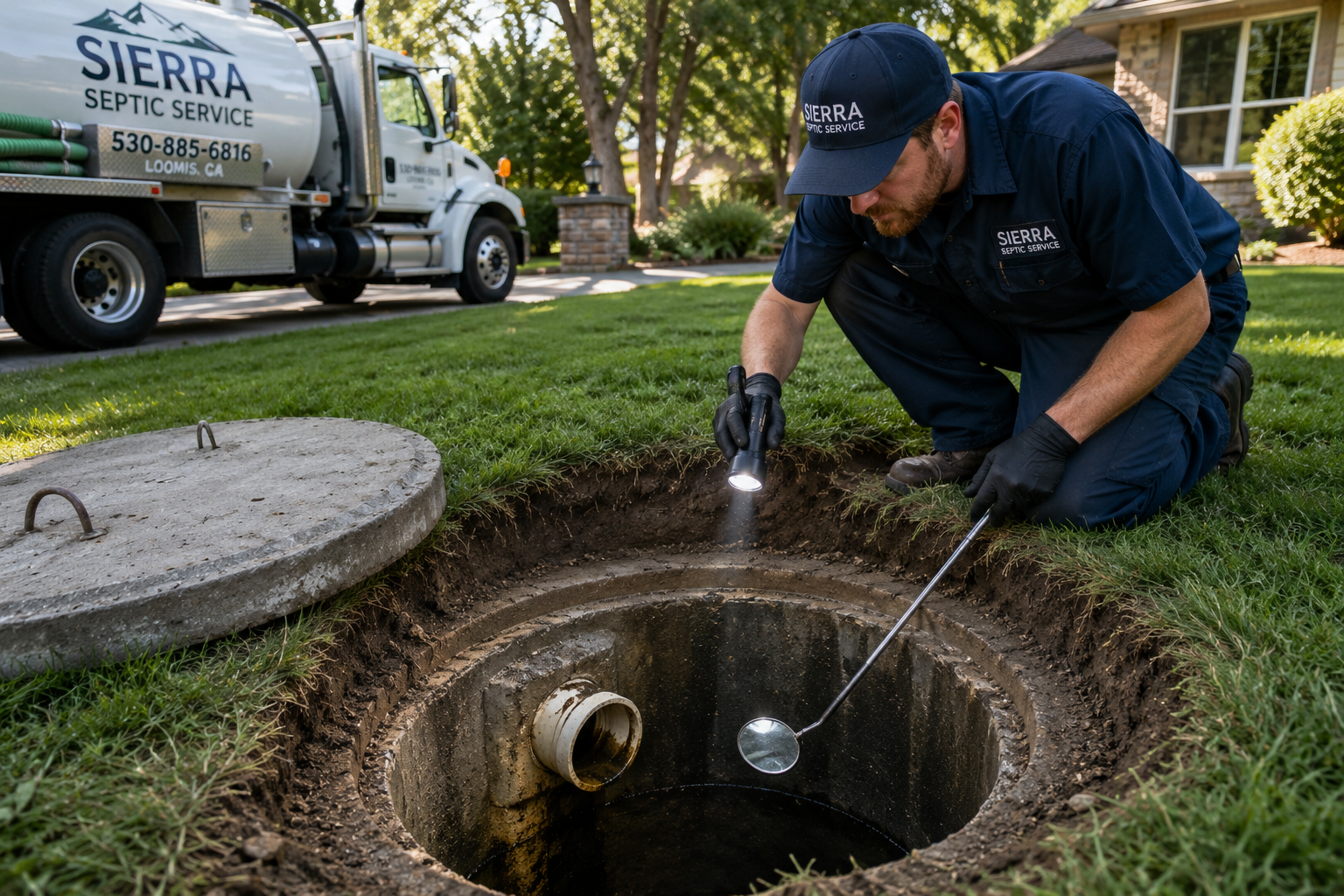
A comprehensive septic system inspection is a highly technical diagnostic evaluation that verifies the structural integrity, operational safety, and fluid dynamics of your property's underground wastewater infrastructure. For homeowners in the Greater Sacramento area, a failing tank or saturated drainfield can suddenly trigger thousands of dollars in emergency excavations and toxic yard backups.
Postponing this vital assessment leaves your household vulnerable to hidden biological leaks, structural concrete decay, and unexpected real estate delays during critical property transactions.
By reading this guide, you will learn exactly how a professional septic system evaluation functions, what critical hidden components are assessed, and how to protect your long-term property investments.
Let's look closer at why scheduling a routine septic tank inspection remains the single most effective way to eliminate plumbing risks and preserve your piece of mind.
Understanding the Impact of a Septic System Inspection
A professional septic system inspection is a meticulous physical and visual assessment of your property’s underground wastewater infrastructure to ensure it safely handles, treats, and disposes of household waste.
Instead of merely checking if your toilets flush, an authoritative evaluation requires opening the primary treatment tank, analyzing fluid levels, checking the structural integrity of the interior baffles, and testing how efficiently effluent flows into the absorption drainfield.
This comprehensive diagnostic process reveals hidden operational issues long before they escalate into major plumbing emergencies or property damage.
For property owners throughout Sacramento, Roseville, and Elk Grove, staying ahead of this maintenance task directly impacts your household's safety and financial stability. A neglected system can quietly leak untreated sewage into your yard, contaminate local groundwater, or cause sudden, messy indoor backups.
Booking dependable real estate septic inspections protects your family from health hazards, keeps your property fully compliant with local environmental codes, and safeguards your real estate transactions from costly, last-minute cancellations.
Investing in a regular, authoritative assessment delivers immediate operational benefits:
- Prevents Sudden Financial Stress: Identifies minor operational issues early, saving you from the high costs of complete system failures or unexpected emergency excavations.
- Extends Infrastructure Lifespan: Verifies that internal components are working correctly, helping your tank and drainfield operate efficiently for decades.
- Provides Actionable System Data: Gives you precise information about your tank's solids accumulation so you can map out a reliable, long-term maintenance strategy.
A common mistake is assuming your system is perfectly fine simply because you haven't noticed any slow drains or foul odors. In reality, structural cracks, degraded baffles, and saturated drainfields can develop silently over several years, making a preventative septic system evaluation essential for catching hidden problems before they turn into severe, expensive failures.
What Does a Septic Inspection Consist Of?
When property owners schedule a comprehensive septic system inspection, they are often unsure of what to expect from the diagnostic process. A thorough evaluation goes far beyond a superficial surface glance or simply flushing a toilet to see if the water goes down.
Certified technicians follow a highly structured, multi-step assessment that tests both the mechanical components and the biological balance of your wastewater infrastructure. Understanding each step of this professional service allows you to make informed decisions about your property's long-term maintenance needs.
A complete and reliable septic inspection consists of five core diagnostic phases designed to verify overall system health.
1. Historical Review and Tank Locating
The assessment begins with a review of your property’s septic permits, installation blueprints, and past pumping records if they are available. Using these documents, technicians locate the underground treatment chamber using specialized electronic flushable transmitters or structural probes.
If your yard lacks modern, surface-accessible risers, the technician will carefully excavate the soil down to the main access portals to prepare for a direct visual inspection.
2. Initial Fluid Level and Flow Testing
Before any pumping or cleaning begins, the technician opens the access lids to analyze the working fluid levels inside the tank. If the liquid level sits below the home’s main inlet pipe, it often points to a structural leak in the tank wall letting wastewater escape into the surrounding soil.
If the level is too high, it indicates that the drainfield is saturated or a major pipe blockage is preventing proper drainage. Technicians then run water from the home's fixtures to verify that wastewater flows smoothly into the treatment tank without backing up.
3. Structural Evaluation After Complete Pumping
To truly understand the health of your system, a comprehensive septic tank inspection must include a complete tank pump-out. Removing the accumulated layers of scum, effluent, and heavy sludge allows the inspector to examine the bare interior walls. They look for structural cracks, root intrusions, or concrete corrosion caused by sewer gases.
During this stage, the technician thoroughly checks the condition of the concrete or plastic sanitary baffles, as well as the critical inlet and outlet connections. If your system requires physical updates to protect against future clogs, this is the ideal time to plan for an outlet baffle replacement to keep solid waste from escaping into your absorption area.
4. Direct Drainfield Evaluation
The drainfield is responsible for safely filtering and neutralizing clarified wastewater back into the environment. Technicians walk the entire absorption area to check for red flags like unusually lush green grass, spongy soil, pooling surface puddles, or sour odors that point to system failure.
They may also use shallow hand-boring tools to check the absorption capacity of the soil trenches, ensuring the earth can still safely process household effluent.
5. Clear, Actionable Reporting
The final phase of a professional septic system evaluation is compiling a detailed condition report. This document clearly lists your tank's structural condition, measured sludge layers, baffle integrity, and the overall absorption capacity of the drainfield.
Rather than using confusing technical jargon, a reliable inspector will walk you through the data clearly, giving you a transparent snapshot of your system's current performance.
Field Note: Be cautious of any inspection quote that does not include full tank pumping as part of the service. Trying to evaluate a septic system while it is completely full of wastewater makes it impossible to see structural cracks or inspect the lower outlet baffles, leaving you vulnerable to hidden issues.
By following these five clear steps, a professional septic system inspection takes the guesswork out of your wastewater management. This systematic evaluation gives you the precise insights needed to prevent sudden breakdowns, plan for future maintenance, and ensure your home's infrastructure operates safely and reliably for years to come.
Real-World Scenarios: A Septic System Inspection in Action
Seeing how regular system diagnostics prevent property damage makes it much easier to understand the practical value of keeping up with your maintenance. Let's look at how local property owners use structured system evaluations to protect their homes and investments.
- The Prospective Home Buyer: A family purchasing a home in Rocklin wanted to make sure they wouldn't inherit hidden plumbing issues before closing the deal. They arranged a comprehensive septic system inspection to check the home's underground infrastructure before signing the final paperwork.
The detailed septic system inspections uncovered a cracked concrete outlet baffle that was letting solid waste enter the absorption trenches. Catching this issue early allowed them to negotiate a $1,200 repair credit with the seller, keeping their transaction on track without unexpected out-of-pocket expenses.
- The Preventative Homeowner: A family living on an acreage in Auburn noticed their laundry room drains were starting to gurgle during heavy use. Instead of ignoring the warning sign or using chemical drain cleaners, they scheduled a professional septic tank inspection to find the root of the problem.
The technician discovered that high liquid levels from a saturated drainfield were putting extra stress on the main line. By identifying this early, the family adjusted their household water use habits, avoiding a messy sewage backup in their home and saving thousands on an emergency yard excavation.
These real-world examples show that investing in timely system diagnostics takes the guesswork out of wastewater management. You can apply these same proactive habits to keep your property safe, functional, and fully protected.
Field-Tested Tips for a Smooth Septic Tank Inspection
Moving from a basic understanding of your system to scheduling an active diagnosis is the most important step in preventing major plumbing emergencies. Applying these practical, industry-tested tips helps you maximize the accuracy of your upcoming assessment while making the entire process easier for your service crew.
- Locate and Clear Your Tank Access Lids in Advance: Spending hours digging up your lawn looking for hidden access lids can add unnecessary labor costs to your bill. Finding your property maps ahead of time and clearing away grass or heavy dirt makes the job much smoother.
Investing in professional septic risers and lid installation brings your access points right up to ground level, ensuring all future assessments are fast and simple.
- Hold Off on Heavy Water Usage Before Your Inspector Arrives: Running your washing machine or dishwasher right before your appointment can artificially flood your tank with water. This extra volume makes it harder for the technician to accurately measure normal operational fluid levels.
Keeping your water use low for 24 hours prior to your septic system inspection gives you the most accurate reading of your system's daily performance.
- Keep an Accurate Record of All Past Maintenance Details: Handing your inspector a clear list of your past pumping dates and minor plumbing repairs eliminates guesswork on-site. This operational history helps the technician notice if your tank is collecting solids faster than normal for your household size.
Having these records ready ensures your septic tank inspection delivers highly personalized advice tailored to your system's actual needs.
- Keep Heavy Vehicles Far Away From Your Absorption Trenches: Parking cars or driving heavy lawnmowers over your drainfield can compact the soil and crush your underground pipes. Soil compaction stops effluent from filtering naturally, which can trigger a premature failure that shows up during your diagnostic check. Keeping your absorption area clear preserves your infrastructure and ensures a passing score.
Using these simple maintenance habits protects your property investment, helps your diagnostic appointments run smoothly, and gives you a clear, honest look at your system's health.
Schedule Your Professional Septic System Inspection Today
Maintaining a reliable wastewater system does not have to be a source of constant stress for your household. You now understand that a comprehensive septic system inspection goes far beyond surface-level observations to test your tank's structural walls, verify inlet flow patterns, and protect the overall health of your absorption field.
By investing in a regular, detailed septic system evaluation, you gain the clear and accurate data needed to address minor component wear before it causes major yard damage or disrupts a property transaction.
Taking a proactive approach to your property's infrastructure prevents unexpected structural failures, protects local groundwater supplies, and ensures your home remains entirely safe and sanitary. Our experienced technicians use a non-commission model to deliver straightforward, honest assessments tailored precisely to what your property actually needs to remain functional.
If you are ready to eliminate the guesswork and protect your long-term plumbing investments, contact Blue Ribbon Septic to schedule your upfront septic system inspection today.
Frequently Asked Questions About a Septic System Inspection
How often should a homeowner schedule a septic system inspection?
You should schedule a professional evaluation every three to five years, ideally alongside your routine pumping service. Properties with older infrastructure or larger households may require more frequent checkups to ensure heavy solid waste layers do not compromise the absorption field.
Staying consistent with this diagnostic schedule allows you to identify minor component wear early, extending your infrastructure's active lifespan.
Is a separate septic tank inspection required when buying a home?
Yes, a dedicated septic tank inspection is absolutely critical because standard home inspectors only check visible plumbing fixtures and do not excavate or evaluate underground treatment tanks.
Arranging a specialized visual and structural test before closing ensures you do not inherit hidden tank cracks or a clogged, failing drainfield. This step provides necessary protection against sudden, expensive post-purchase infrastructure repairs.
What does a septic inspection consist of during a real estate sale?
A professional septic system inspection consists of checking historical property permits, testing total wastewater flow from the house, measuring internal scum layers, and thoroughly pumping the tank to inspect the structural concrete walls.
The technician also carefully evaluates the exterior absorption field for any signs of soil saturation. If you need reliable maintenance to prepare your system for an upcoming sale, scheduling a professional septic tank cleaning and pumping ensures your system passes diagnostic checks smoothly.
Can a septic system evaluation detect a failing drainfield?
Yes, an expert septic system evaluation easily detects early and advanced signs of drainfield failure by checking underground absorption capacities and surface soil conditions.
Inspectors use diagnostic tools to verify if wastewater is pooling inside the disposal trenches or backing up toward the main outlet baffle. Catching these structural drainage blockages early helps you make critical habit adjustments before the entire yard becomes contaminated.


