
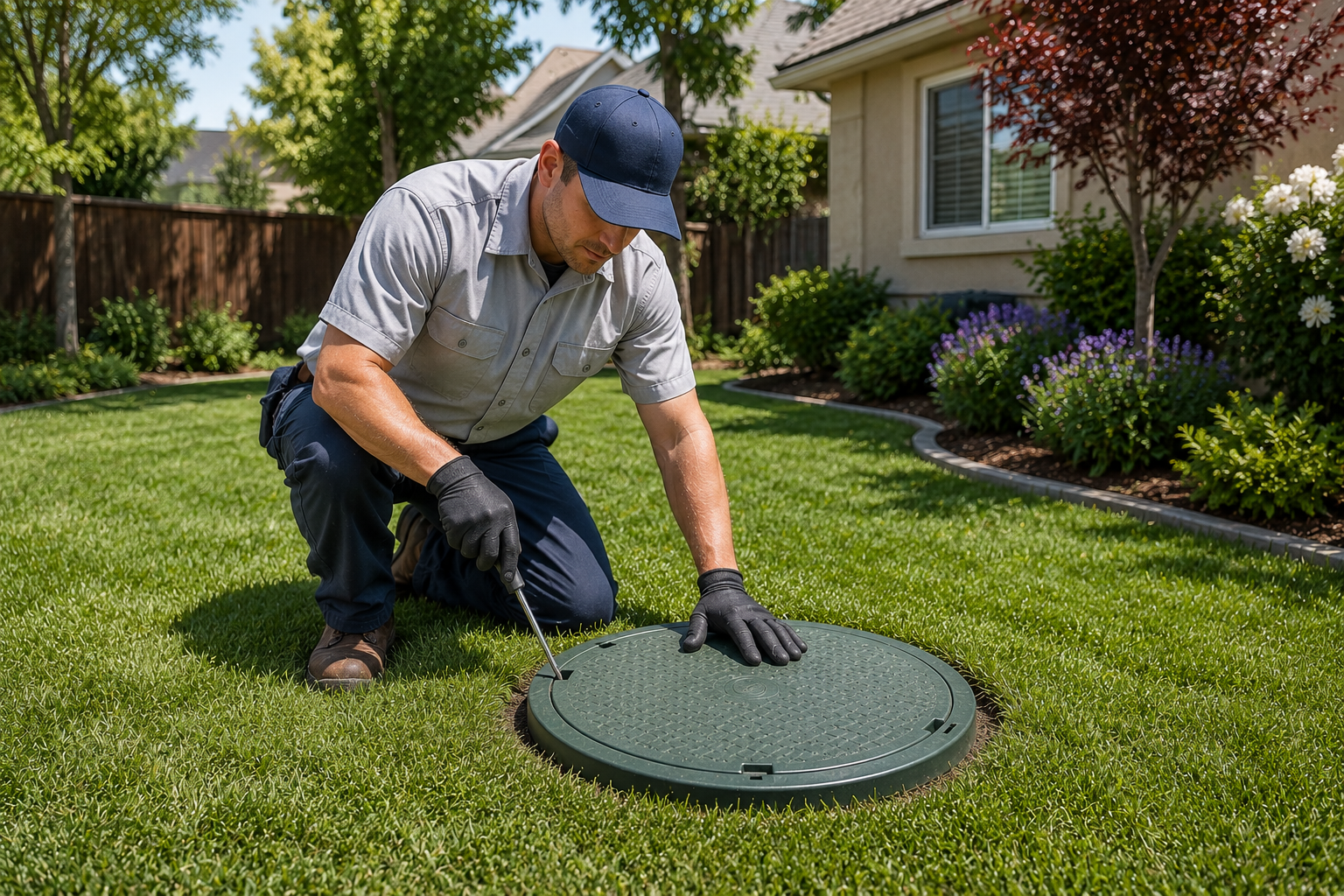
Is your septic tank lid cracked, loose, or showing signs of age? If so, it is time to act. A compromised septic tank lid is more than just an eyesore; it is a direct safety hazard that can lead to groundwater contamination, foul odors, or even accidental falls. As a homeowner, ensuring your system is tightly sealed is a fundamental part of responsible property ownership that protects both your family and the environment. Ignoring these warning signs often leads to more extensive, avoidable damage to your entire system. In this guide, you will learn how to identify the right time for a septic tank lid replacement, understand the different material options available, and determine when it is time to call a professional for a replacement lid for septic tank needs. Let’s look at how to secure your system properly.
Understanding the Critical Role of Your Septic Tank Lid
A septic tank lid acts as the primary barrier between your household wastewater system and the surface of your property. Put simply, it is the reinforced cover that seals the access port of your tank, keeping hazardous gases, odors, and untreated effluent safely contained underground. Beyond providing physical access for septic tank cleaning and pumping, a structurally sound cover is a vital safety component. When this barrier degrades, it poses significant risks to children, pets, and even lawn equipment that might inadvertently pass over a weakened or brittle cover.
Maintaining the integrity of your septic tank lid is essential for long-term system health. Over time, exposure to harsh soil conditions and heavy surface loads can lead to cracks or decay, potentially allowing stormwater runoff to enter the tank. This excess water can overwhelm your system, leading to saturation and premature failure. Many homeowners believe that if the lid is still "in one piece," it is fine, but hairline fractures can be just as dangerous as large holes. Addressing these signs early is often far more affordable than dealing with a full system emergency later.
If you are currently researching a septic tank lid replacement or considering modern upgrades, you may also be interested in learning more about septic risers and lid installation. Adding a riser brings the access point to ground level, which not only makes maintenance easier but also ensures your replacement lid for septic tank is easier to inspect regularly. Taking these proactive steps helps you avoid the common mistake of ignoring minor surface damage until it becomes a serious structural issue.
Recognizing the Signs: When It Is Time for a Replacement
Identifying when your system requires attention is the most effective way to avoid unexpected failures. Because the septic tank lid is often hidden beneath grass or landscaping, homeowners frequently overlook it until a problem becomes severe. However, regular visual inspections are a simple way to gauge your system's health. If you are ever unsure about your system's status, scheduling a real estate septic system inspection can provide a professional assessment of your tank and cover condition.
Visual Red Flags
The most obvious indicators that you need a septic tank lid replacement are physical. Walk around the area where your tank is located and look for the following:
- Visible Cracks or Chips: Even small, hairline cracks can compromise the seal. If you see concrete crumbling or chunks missing, the structural integrity is already failing.
- Sunken or Tilted Lids: If the lid is no longer flush with the ground or seems to be sinking, the surrounding earth may have shifted or the tank collar may be damaged.
- Rust or Corrosion: For older metal covers, significant rust is a major red flag. Once metal begins to corrode, it becomes brittle and can collapse under very little weight.
- Foul Odors: A properly sealed system should not vent odors into your yard. If you notice a persistent sewer smell around the tank area, your lid likely has a broken seal or a crack that is letting gases escape.
Why Material Matters
When selecting replacement septic tank lids, homeowners often have choices between materials. Understanding these helps you make a decision that balances longevity with your specific property needs:
- Concrete: These are traditional and heavy. They are durable but can eventually crack due to ground movement or age.
- Plastic/Polyethylene: Increasingly popular for their lightweight nature and resistance to corrosion. A quality plastic septic tank lid is often easier to handle and provides an airtight seal that prevents odors from escaping.
- Composite: These offer a middle-ground, providing high strength while remaining easier to manage than traditional concrete.
If you are dealing with an aging system, you might consider tank locating and outlet baffle replacement at the same time you address the lid. Often, if a cover has degraded, it may indicate that other components of the tank are also approaching the end of their functional lifespan.
Taking Action: The Importance of Professional Assessment
While some homeowners feel tempted to look for where they can buy a septic tank lid at a local hardware store, it is critical to ensure the replacement is code-compliant and properly fitted. A poorly seated lid can allow surface water to enter the tank, which forces your drain field to work much harder than it should.
If you suspect your system is compromised, do not wait for a full-scale backup. A professional can help you source the correct replacement lid for septic tank components, ensuring they are rated for the specific traffic and weight requirements of your yard. Remember, the goal of proactive maintenance is to catch these issues when they are simple, affordable fixes, rather than waiting for a structural failure that creates a health hazard for your household.
Do you suspect your septic tank lid is showing signs of wear, or are you concerned about your system’s overall condition?
Putting Solutions into Practice: Real-World Scenarios
Understanding the risks of a damaged cover is the first step toward action. Many property owners discover that proactive maintenance simplifies their routine, ensuring their system remains safe and functional regardless of the season.
Scenario 1: The Home Seller’s Peace of Mind A local homeowner preparing their property for sale noticed a small crack in their concrete cover during routine yard work. Concerned that a failed inspection could derail their upcoming closing date, they contacted professionals for a swift septic tank lid replacement. By installing a modern, code-compliant cover, they not only passed their real estate septic system inspection with ease but also added a tangible safety feature that increased buyer confidence.
Scenario 2: Protecting Family and Property A family living in a rural area noticed that their heavy metal cover had begun to corrode, posing a potential tripping hazard for their children. They opted to replace septic tank lid hardware with a durable, lightweight alternative that offered a more secure, flush-mount fit. This transition eliminated the risk of collapse and made the area around their tank significantly safer and easier to maintain.
Scenario 3: Avoiding System Overload A homeowner noticed persistent moisture around their tank area after heavy rains and realized the old, brittle cover was allowing groundwater intrusion. By choosing a high-quality septic tank lid specifically designed to provide an airtight, watertight seal, they effectively stopped the excess water from flooding the tank. This simple fix prevented a potential drain field failure, saving the household from an expensive and stressful emergency.
These examples prove that addressing a compromised lid is a straightforward way to protect your investment. With the right choice of replacement septic tank lids, you can secure your system for years to come.
Expert Tips for Effective Septic Maintenance
Moving beyond basic awareness helps you manage your property more effectively. These practical insights will help you ensure your septic tank lid remains a reliable component of your infrastructure, preventing avoidable stress and costly service calls.
- Prioritize Regular Inspections: Do not wait for odors or wet spots to check your system. A quick seasonal inspection of your septic tank lid helps you catch hairline fractures or seal degradation early. If the area around the cover remains constantly damp despite dry weather, it is often a sign that the seal is failing and requires immediate attention to prevent soil saturation.
- Opt for Durable Materials: When you choose to replace septic tank lid hardware, prioritize materials that resist environmental stressors like extreme heat or freezing ground cycles. A modern septic risers and lid installation not only makes your access point more secure but also keeps the lid at grade level, which protects it from being crushed by lawn equipment or shifting soil.
- Ensure Proper Weight Ratings: Not all replacement septic tank lids are designed for the same level of pressure. If your tank is located in a driveway or a high-traffic area, ensure the replacement is rated to handle the weight load. Using an improperly rated lid in a traffic area is a significant safety risk that can lead to a sudden, dangerous collapse.
Applying these practices ensures that your system stays robust and reliable. By focusing on quality components and consistent observation, you effectively safeguard your property and avoid the unpredictability of emergency repairs.
Securing Your Property: Moving Forward with Confidence
You now understand that a septic tank lid is a critical component of your property’s health, and that recognizing the early signs of wear is the best way to prevent significant system issues. By keeping an eye on the condition of your covers and choosing the right replacements, you effectively protect your family’s safety and the long-term integrity of your entire septic infrastructure.
Taking action today saves you from the stress and expense of an emergency breakdown later. Whether you are addressing a minor crack or upgrading an aging system for better accessibility, making informed decisions ensures your property remains safe, compliant, and well-maintained for years to come.
If you are ready to secure your system or need professional guidance on which septic tank lid solution is best for your specific needs, contact the experts at Blue Ribbon Septic today for a professional assessment.
Frequently Asked Questions About Septic Access and Maintenance
Can I perform my own septic tank lid repair?
While you might be tempted to patch a small crack, it is generally discouraged. A septic tank lid must be completely airtight and structurally sound to prevent hazardous gases from escaping and groundwater from entering. A DIY fix often fails to meet safety codes, potentially leading to a collapse. For long-term security, it is best to consult a professional to see if a septic tank lid replacement is necessary for your system’s safety.
Where can I buy a septic tank lid that fits my system?
Finding the right replacement lid for septic tank hardware can be tricky because sizes and load-bearing requirements vary significantly between systems. Avoid guessing based on measurements alone; instead, reach out to local experts who can identify your specific tank model. They can ensure you source a high-quality plastic septic tank lid or concrete cover that is code-compliant and safely rated for your yard’s traffic.
How do I know if I need a metal septic tank lid replacement?
If your cover is made of metal, look for signs of significant rust, thinning, or bowing in the center. These are clear indicators that the material is failing. Replacing it is a high priority because corroded metal can give way under even light weight, creating a major safety hazard. For more information on how we manage aging infrastructure, you can explore our tank locating and outlet baffle replacement services to ensure your entire system is protected.


