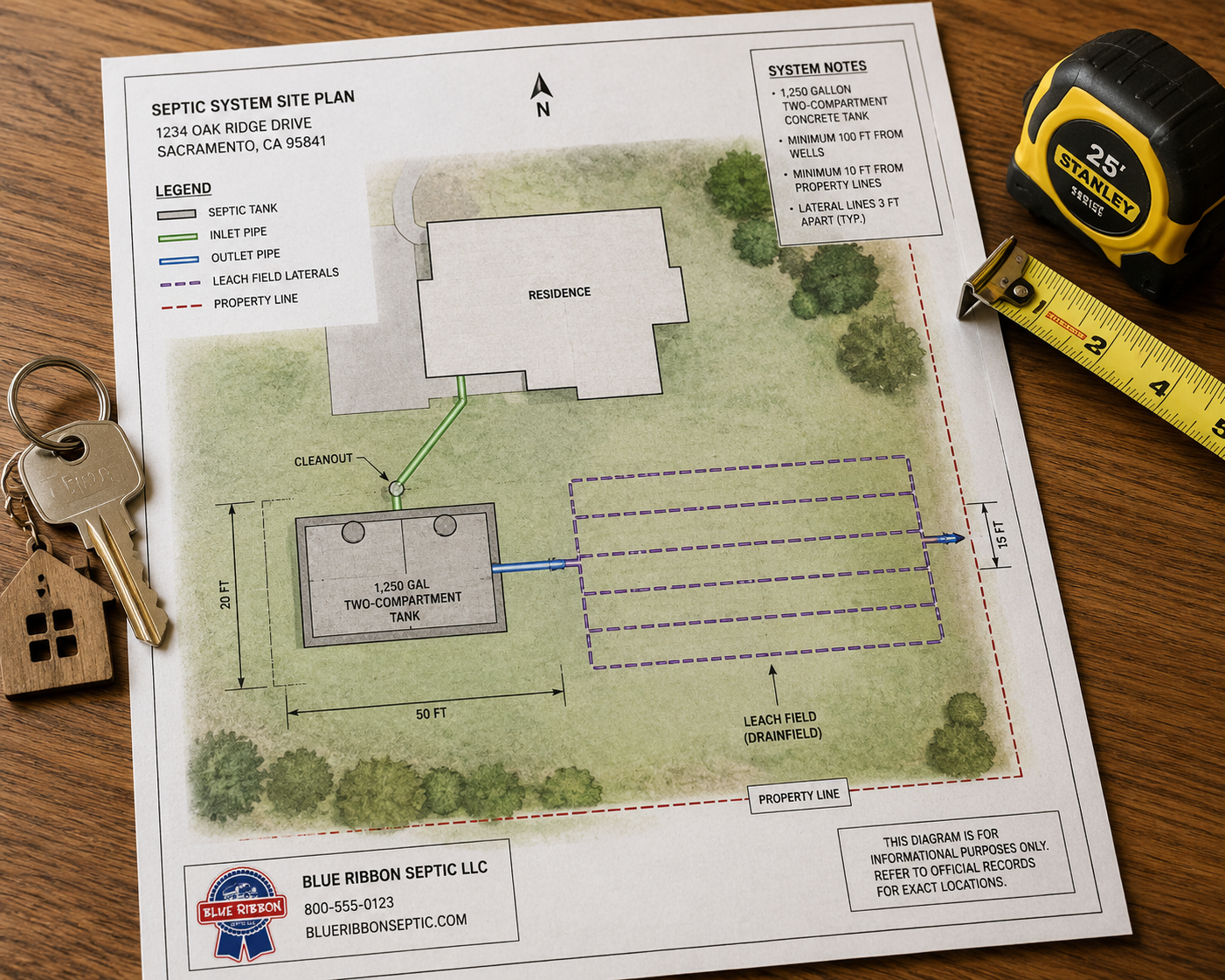
When your waste management stops working, the culprit is usually one of a few critical septic system parts that has reached the end of its lifespan. Understanding these components is the best way to prevent a minor sluggish drain from turning into a full-scale backyard flood. For homeowners in the Sacramento area, your septic system is a silent workhorse; however, when a septic tank baffles replacement is neglected or an effluent filter becomes clogged, the entire biological balance of your property is at risk.
Ignoring these mechanical essentials doesn't just lead to foul odors—it can result in thousands of dollars in preventable excavation costs and environmental contamination. This guide will break down the primary components of your system, helping you identify which parts require proactive upgrades and which are showing signs of failure. By the end of this page, you’ll be able to make informed decisions about your system's health and understand exactly what is needed to keep your home running smoothly.
Let’s start by looking at the core components that keep your tank functioning day in and day out.
Understanding Your Septic System Parts and How They Protect Your Property
At its core, a septic system is a localized water treatment plant that relies on a specific sequence of septic system parts to separate, treat, and dispose of household waste. The process begins in the tank, where solids settle to the bottom and oils float to the top, leaving a middle layer of liquid (effluent) to exit into the drainfield. For this process to remain seamless, components like the inlet and outlet baffles must be structurally sound to ensure waste stays where it belongs.
Understanding these components matters because a single failure can lead to catastrophic system backups. For families in Loomis or Roseville, a functioning septic system is the difference between a clean home and a costly environmental hazard. Proper maintenance, including regular septic tank cleaning and pumping, ensures that these mechanical parts aren't buried under excessive sludge, which is the leading cause of premature component wear. When you invest in high-quality parts, you are effectively buying insurance against the stress and high costs of emergency excavations.
Focusing on high-performance components provides several practical advantages:
- System Longevity: Quality septice tank risers and lids prevent soil and water from entering the tank, reducing the load on your system.
- Environmental Safety: Well-maintained effluent filters for septic tanks prevent hair, grit, and lint from reaching the soil, protecting your local groundwater.
- Operational Peace of Mind: Knowing your system is equipped with modern parts means fewer "emergency" calls and more predictable maintenance cycles.
A common misconception is that a septic system is a "set it and forget it" utility. In reality, these parts are constantly exposed to a harsh, corrosive environment. For example, if you have an older concrete tank, you may eventually need a tank locating and outlet baffle replacement to ensure the liquid exiting the tank is filtered properly. Keeping these components in check is the first step in avoiding the most common—and expensive—system failures.
Critical Septic System Parts: A Breakdown of Key Components
To maintain a healthy waste management system, you need to look beyond the surface. While most people only think about their septic system when they see a puddle in the yard, the internal septic system parts are working 24/7 to process thousands of gallons of water annually. When these components are high-quality and well-maintained, your system remains invisible; when they fail, the consequences are immediate.
Understanding the anatomy of your system allows you to spot trouble before it becomes an emergency. Below, we break down the most essential components that dictate the performance and longevity of your septic setup.
1. Inlet and Outlet Baffles
The baffles are the "gatekeepers" of your septic tank. The inlet baffle directs incoming waste to the bottom of the tank to avoid disturbing the scum layer, while the outlet baffle ensures that only clear effluent—not solid waste—moves toward the drainfield.
- Why it matters: If an outlet baffle corrodes or falls off, solids will flow directly into your leach field, clogging the soil and potentially necessitating a full system replacement.
- The Fix: Modern systems often utilize a plastic septic tank baffles replacement which is much more resistant to the corrosive gases found inside the tank than older concrete versions.
2. Septic Tank Risers and Lids
Risers are large-diameter pipes that extend from the tank openings up to ground level. They are sealed with heavy-duty, watertight lids.
- Why it matters: Without risers, your tank is buried under several feet of dirt. This makes routine maintenance difficult and expensive, as technicians must dig up your yard every time you need an inspection.
- Proactive Care: Installing septic risers and lid installation is one of the smartest upgrades a homeowner can make. It provides easy access for pumping and ensures the tank is properly sealed against rainwater and debris.
3. Effluent Filters
Located within the outlet baffle, the effluent filter is a fine mesh or slotted cylinder designed to catch small particles of hair, lint, and grit.
- Why it matters: Even small particles can eventually seal the "pores" of the soil in your drainfield. An effluent filter for septic tanks acts as the last line of defense for your most expensive system component—the soil itself.
- Maintenance Tip: These filters should be pulled and cleaned every time the tank is pumped to ensure water continues to flow freely out of the system.
4. Lift Station Components (Pumps and Floats)
If your home is located lower than your drainfield, your system relies on a lift station to move waste uphill. This involves a septic pump replacement at some point in the system's life, as these mechanical parts eventually wear out.
- Float Switches: These are the "sensors" that tell the pump when to turn on and off based on the water level.
- High-Water Alarms: This critical part alerts you if the pump has failed and the water level is rising too high. If you hear an alarm buzzing near your tank, it is time to call for lift station pumping and repair immediately to prevent a backup into the house.
5. Distribution Box (D-Box)
The D-box is a small concrete or plastic container that receives effluent from the tank and distributes it equally among the various lines of the drainfield.
- Why it matters: If the D-box tilts or becomes clogged, one section of your drainfield will become saturated and fail, while others remain dry. Keeping this part level and clear of roots is vital for even distribution.
What This Means for Your Property
Investing in high-grade septic system parts isn't about luxury; it’s about mechanical reliability. Most septic failures are not caused by the tank "filling up," but by a specific part failing to do its job. By ensuring your baffles are intact, your filters are clean, and your risers are accessible, you move from a "reactive" mindset to a "preventative" one. This proactive approach is exactly what keeps a system running for 30+ years rather than failing in 10.
Why Reliable Septic System Parts Matter in Real-World Scenarios
Transitioning from technical knowledge to real-world application is where homeowners truly see the value of quality components. Seeing how these septic system parts perform under pressure helps illustrate why proactive maintenance is a necessity rather than an option.
Use Case #1: The Real Estate Transaction
A homeowner in Meadow Vista was preparing to sell their property when a real estate septic system inspection revealed a severely corroded outlet baffle. By opting for a quick septic tank baffles replacement before the final walkthrough, the seller avoided a $5,000 price concession and kept the closing on schedule. The outcome was a certified, compliant system that gave the new buyers total peace of mind.
Use Case #2: Preventing Backyard Flooding
A family in North Highlands noticed their high-water alarm sounding after a heavy storm, indicating a failure in their lift station. Because they had a septic pump replacement and a new float switch installed the previous year, the issue was identified as a simple tripped breaker rather than a mechanical failure. This modern setup prevented a sewage backup into their basement, saving them thousands in restoration costs and health risks.
Use Case #3: Simplified Maintenance
A property owner in Loomis installed septic tank risers and lids to eliminate the need for excavating their lawn every three years. This upgrade reduced their long-term service costs and allowed for immediate access during a routine inspection, ensuring the system remained in peak condition without disrupting the landscaping.
These examples prove that the right parts don't just fix problems—they provide a predictable, manageable way to own and maintain a home on a septic system.
Expert Tips for Managing Your Septic System Parts
Knowing the components is only half the battle; the real value comes from knowing how to manage them effectively over time. These expert insights bridge the gap between basic ownership and high-level system preservation, ensuring you get the maximum lifespan out of every component.
- Audit Your Baffles Every Three Years. During every routine pumping, ask your technician to visually inspect the inlet and outlet baffles. Because these septic system parts are constantly submerged in a corrosive environment, they can degrade without any outward signs of failure. Catching a thinning baffle early allows for a simple septic tank baffles replacement before solids escape and ruin your drainfield.
- Install a High-Water Alarm for Peace of Mind. If your system utilizes a pump, a high-water alarm for septic tanks is your most important early-warning tool. This device triggers a light or buzzer if the water level exceeds safe limits, giving you a 24-to-48-hour window to call for lift station pumping before a backup occurs in your home.
- Keep Your Effluent Filter Accessible. A clogged filter is the most common cause of "phantom" backups where the tank isn't full, but the water won't leave. Ensure your effluent filter is located under a riser so it can be pulled and rinsed with a garden hose annually. This simple five-minute task prevents system sluggishness and protects the long-term absorption capacity of your soil.
By applying these proactive best practices, you move away from the stress of emergency repairs and toward a more predictable, cost-effective ownership experience.
Securing the Future of Your Home With Quality Septic System Parts
Maintaining a healthy home requires more than just occasional maintenance; it demands an understanding of the septic system parts that keep your property safe and sanitary. You now know that components like septic tank risers and lids offer more than just convenience—they provide the accessibility needed for honest inspections and timely repairs. By prioritizing the health of your effluent filters and baffles, you are actively preventing the kind of system-wide failures that derail household budgets and property values.
Taking a proactive approach to your system's mechanical health today ensures you won't be caught off guard by a preventable emergency tomorrow. Whether you are dealing with a slow drain or simply want the peace of mind that comes with an expert evaluation, investing in high-performance components is the most cost-effective way to extend your system's lifespan.
If you suspect a component is failing or want to upgrade your system for easier access, our team is here to provide straightforward, non-commissioned advice. Contact us today for professional septic tank cleaning and pumping and a comprehensive component health check to keep your system running at peak performance.
Frequently Asked Questions About Septic System Parts
How do I know if I need a septic tank baffles replacement?
You generally need a replacement if a technician notes that your concrete baffles are crumbling or if your outlet baffle has fallen off entirely. Signs of failure include solid waste entering your drainfield or frequent sewage backups. Modern plastic septic system parts are now the industry standard for replacements because they resist the sulfuric gases that cause original concrete components to deteriorate over time.
Why should I install septic tank risers and lids?
Installing risers is the most effective way to eliminate the "hide and seek" aspect of septic maintenance. These components bring your tank access to ground level, meaning you no longer have to pay for professional digging or tear up your lawn every time you need a septic tank cleaning and pumping. They also provide a watertight seal that prevents groundwater from overloading your system.
What does an effluent filter do for my system?
An effluent filter acts as a final safety net, straining out hair, lint, and small debris before the liquid waste exits to your drainfield. Without this part, these small particles can eventually clog the soil, leading to a permanent and expensive system failure. Cleaning this filter during your routine maintenance is a simple way to ensure the long-term absorption health of your property.
When is a septic pump replacement necessary?
If your system relies on a lift station, you will likely need a pump replacement every 10 to 15 years. You’ll know it’s time if your high-water alarms for septic tanks are triggered or if you notice the pump running constantly without moving water. Modern, high-performance pumps are more energy-efficient and reliable, helping to prevent messy overflows in homes located on sloped lots.