
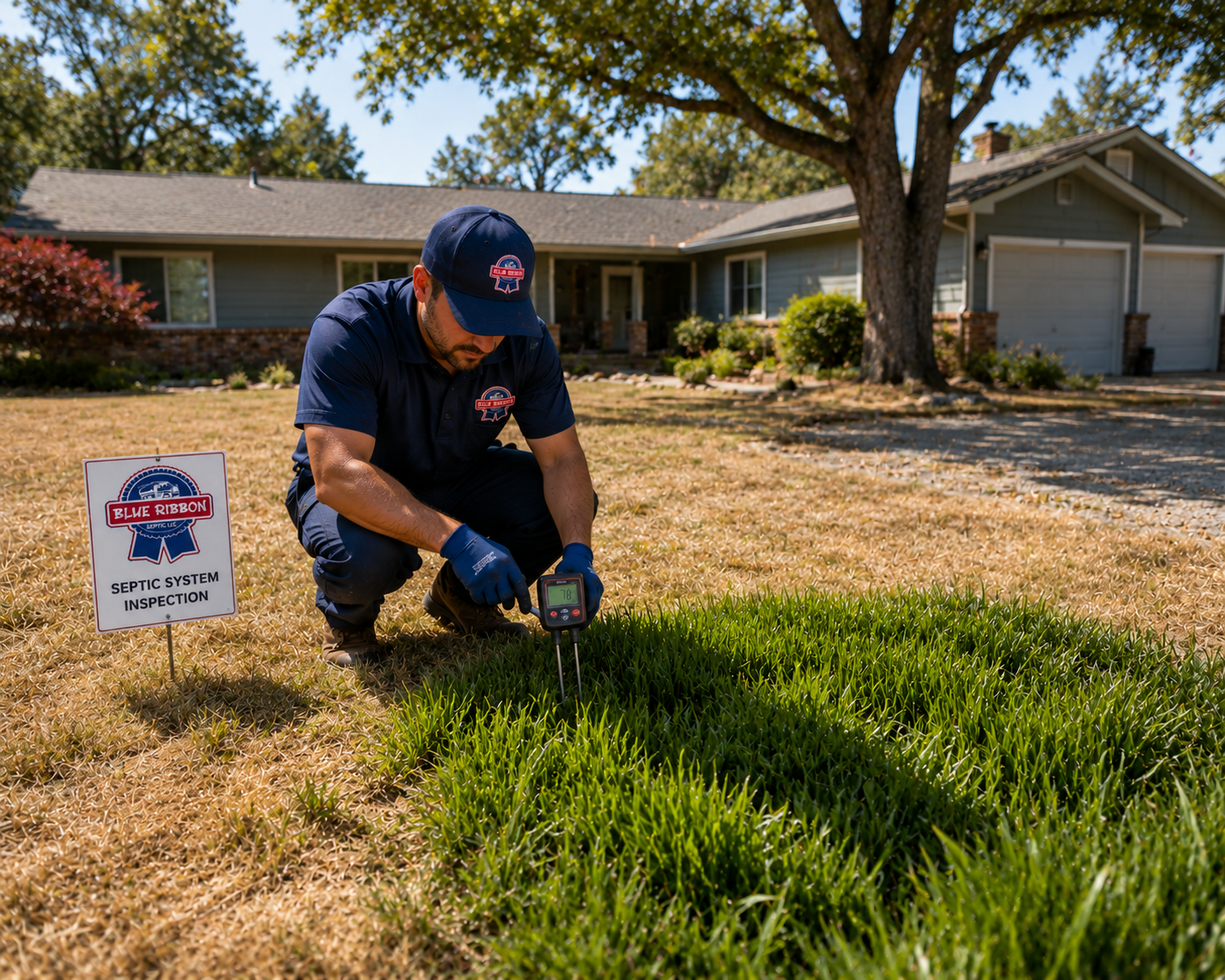
If you are noticing slow drains, gurgling pipes, or patches of lush, green grass over your drain field, these are definite septic system failure signs that require immediate attention. Ignoring these early warnings often leads to a total system breakdown, resulting in raw sewage backups and high-cost emergency repairs that could have been avoided with a timely inspection.
For Sacramento homeowners, a malfunctioning septic tank isn't just a household nuisance; it’s a health hazard and a significant threat to your property value. Whether you are dealing with the first signs of septic tank failure or suspect your septic drain field failure is imminent, understanding these symptoms helps you act before a minor clog turns into a yard-destroying disaster.
In this guide, you will learn how to identify the most common failing septic system signs and gain the clarity needed to decide between a simple pump-out or a professional repair. Here is how to spot the trouble before it finds its way back into your home.
The Real Cost of Overlooking Signs of Septic System Failure
A septic system is your property’s private wastewater treatment plant, consisting of a watertight tank and a soil-based absorption area known as a leach field. When it functions correctly, it safely filters and disperses waste back into the ground. However, a failure occurs when the system can no longer process liquid at the rate it’s being produced, or when structural issues allow untreated sewage to escape. Understanding the signs of septic system failure is the first step in protecting your home’s plumbing and the local Sacramento groundwater.
For most families, the septic system is "out of sight, out of mind" until it stops working. Ignoring the early signs of septic tank failure can lead to permanent soil compaction in your yard or sewage backing up into your bathtubs. Taking action early isn't just about convenience—it's about avoiding the massive financial burden of a full system replacement, which can cost tens of thousands of dollars.
By staying proactive, you can:
- Prevent Health Hazards: Stop bacteria and nitrates from contaminating your well water or surfacing in your yard.
- Save Money: Catching a problem early often means a simple septic tank cleaning and pumping can resolve the issue before the hardware fails.
- Maintain Property Value: A certified, functioning system is essential for any future home sale.
One common mistake homeowners make is assuming that if the toilets flush, the system is fine. In reality, your system might be struggling long before the pipes stop moving. For example, if your tank is difficult to access for check-ups, installing septic risers and lids can make it much easier to monitor for the failing septic system signs discussed in the next section.
How to Spot Septic System Failure Signs Before a Crisis
Identifying septic system failure signs early is the difference between a routine maintenance visit and a catastrophic property disaster. Because most of your system is buried underground, you must rely on your senses—sight, smell, and even sound—to detect when things are going wrong.
If you suspect your system is struggling, the most effective first step is a professional real estate septic system inspection, which provides a comprehensive look at the tank and drain field health. Below are the specific symptoms every Sacramento homeowner should watch for.
1. Slow Drains and Gurgling Pipes
One of the earliest failing septic system signs is a change in how water moves through your home. If your sinks, tubs, and toilets are draining slowly—and the usual plunging doesn't help—it’s likely not a simple clog in the pipe. A gurgling sound coming from the drains when you run the dishwasher or take a shower often indicates that the tank is full or the air cannot escape the system properly. This is a common symptom of septic tank problems symptoms that suggest the exit baffle or the drain field is beginning to restrict flow.
2. Foul Odors Around the Yard or Home
A healthy septic system should be virtually odorless. If you begin to notice a persistent "rotten egg" or sulfur smell near the septic tank or in your backyard, it’s a major red flag. These odors are caused by escaping sewer gases. This can happen if the tank is overfilled, if there is a crack in the system, or if the septic drain field failure has reached a point where waste is no longer being treated by the soil and is instead surfacing.
3. Patches of Unusually Lush, Green Grass
While a beautiful lawn is usually a goal, a single patch of bright green, fast-growing grass over your leach field is actually one of the most reliable signs leach field is failing. This occurs because the soil is saturated with nutrient-rich wastewater that can no longer move downward. The plants are effectively being "over-fertilized" by raw effluent. If the ground in this area feels spongy or if you see standing water even when it hasn't rained, you are likely witnessing a septic drain field failure in progress.
4. Sewage Backups in the Lowest Drains
This is the "point of no return" for septic issues. If raw sewage begins backing up into your lowest-level drains (usually a basement shower or floor drain), the system has completely failed to move water away from the house. At this stage, you need immediate emergency septic service to prevent further damage to your flooring and walls.
5. High Nitrate Levels in Well Water
For Sacramento homeowners who also rely on a private well, frequent water testing is essential. If your test results show an increase in nitrates or coliform bacteria, it may be a sign that your septic system is leaking untreated waste into the surrounding groundwater. This is a subtle but dangerous sign of septic tank failure that directly impacts your family's health.
Understanding the Life Cycle: How Long Does a Septic System Last?
A common question homeowners ask when facing these signs is: how long does a septic system last? On average, a well-maintained system in the Sacramento area lasts 25 to 30 years. However, if you skip routine pumping or ignore minor signs of leach field failure, that lifespan can be cut in half.
If you aren't sure where your tank is located to check for these issues, a professional tank locating service can help you find and assess the components before a small leak becomes a total collapse. Monitoring these signs doesn't just save you money—it preserves the integrity of your property for decades to come.
Real-World Scenarios: Identifying Failing Septic System Signs
Recognizing these warnings in a real-world setting can save you from a major financial headache. Here is how these septic system failure signs typically manifest for local property owners.
- The Proactive Homeowner: A family in Loomis noticed a faint, recurring "rotten egg" smell near their patio. Instead of waiting for a backup, they scheduled a septic tank pumping and cleaning to investigate. They discovered a clogged inlet baffle early, preventing a full system failure and saving thousands in potential drain field repairs.
- The Real Estate Transaction: During a home sale in Roseville, a buyer noticed unusually vibrant, spongy grass in the backyard. Suspicious of signs of leach field failure, they requested a professional inspection. The evaluation confirmed the drain field was saturated, allowing the parties to negotiate repairs before the sale was finalized, ensuring the new owners moved into a safe home.
- The Neglected System: A rental property owner in Elk Grove ignored slow-draining toilets for months, assuming it was a simple plumbing clog. Eventually, raw sewage backed up into the ground-floor tubs—a clear case of septic tank problems symptoms—which required an emergency pump-out and costly biohazard remediation.
Whether you are buying a new home or maintaining your current one, paying attention to these physical cues allows you to address issues while they are still manageable.
Proactive Steps to Prevent Signs of Septic Tank Failure
Moving from spotting a problem to preventing one is the key to long-term system health. These professional insights help you manage your system effectively, ensuring you don't overlook the subtle signs of leach field failure before they become permanent.
- Mind Your Water Usage: Your septic system has a daily limit on how much liquid it can process. Spreading out laundry loads and fixing leaky faucets prevents hydraulic overload, a common cause of septic drain field failure. If you overwhelm the system, solids can push into the drain field, leading to a total collapse.
- Keep Records of Pumping and Inspections: Knowing exactly when your system was last serviced takes the guesswork out of maintenance. Regular pumping every 3–5 years is the best way to avoid failing septic system signs. If your system requires more frequent attention, you may need a lift station pumping or a professional evaluation to check for underlying structural issues.
- Watch What Goes Down the Drain: Your septic tank is a living ecosystem of bacteria. Avoid flushing "flushable" wipes, feminine products, or harsh chemicals that kill beneficial bacteria. When these bacteria die off, solids don't break down properly, leading to the exact signs of septic system failure that every homeowner fears.
- Protect Your Drain Field: Never park vehicles, build structures, or plant trees over your leach field. Heavy weight can crush the underground pipes, while roots can infiltrate the system, causing a complete blockage that mimics the signs of septic tank failure.
By following these practical guidelines, you can significantly extend the life of your system and maintain a worry-free property.
Protect Your Home by Acting on Septic System Failure Signs Early
Now that you know how to identify the most common septic system failure signs—from slow drains and gurgling pipes to lush grass and foul odors—you are better equipped to protect your property. Recognizing these signs of septic system failure early allows you to address minor maintenance issues before they escalate into an environmental hazard or a total system replacement.
Taking action today ensures the long-term health of your home’s plumbing and prevents the stress of a sudden, messy backup. Whether your system is showing its age or you simply want the peace of mind that comes with a professional evaluation, getting an expert opinion is the most cost-effective decision you can make for your property.
If you’ve noticed any red flags or can't remember the last time your tank was serviced, don't wait for the problem to get worse. Contact the experts at Blue Ribbon Septic today for a comprehensive septic tank cleaning and pumping to keep your system running safely and reliably.
Frequently Asked Questions About Septic System Failure
How can I tell if my septic tank is full or clogged?
To determine how to tell if septic tank is full or clogged, look for slow drainage throughout the entire house and gurgling sounds in your pipes. If only one drain is slow, it’s likely a local pipe clog. However, if multiple fixtures back up or you see standing water over the tank, the system is overfilled. Regular septic tank cleaning and pumping is the only way to prevent these solids from reaching critical levels.
What are the most common signs a leach field is failing?
The most obvious signs leach field is failing include patches of bright green grass, spongy soil, or pooling water in your yard during dry weather. You may also notice sewage odors outdoors or backup issues inside the home. These symptoms indicate the soil is saturated and can no longer absorb effluent, which is a primary stage of septic drain field failure.
How long does a septic system last on average?
When asked how long does a septic system last, most experts point to a range of 25 to 30 years. However, this lifespan depends heavily on soil conditions, usage levels, and maintenance history. If you ignore early failing septic system signs or skip routine pumping, the system may require a full and costly replacement much sooner than expected.
Are gurgling pipes always a sign of septic tank failure?
While gurgling pipes can be a symptom of septic tank problems symptoms, they aren't always a sign of total failure. Sometimes, gurgling is caused by a blocked vent pipe or a simple clog. However, if the gurgling is accompanied by foul odors or slow-moving drains in the lowest level of your home, it is a strong indicator that your tank is reaching capacity and requires immediate professional attention.


