
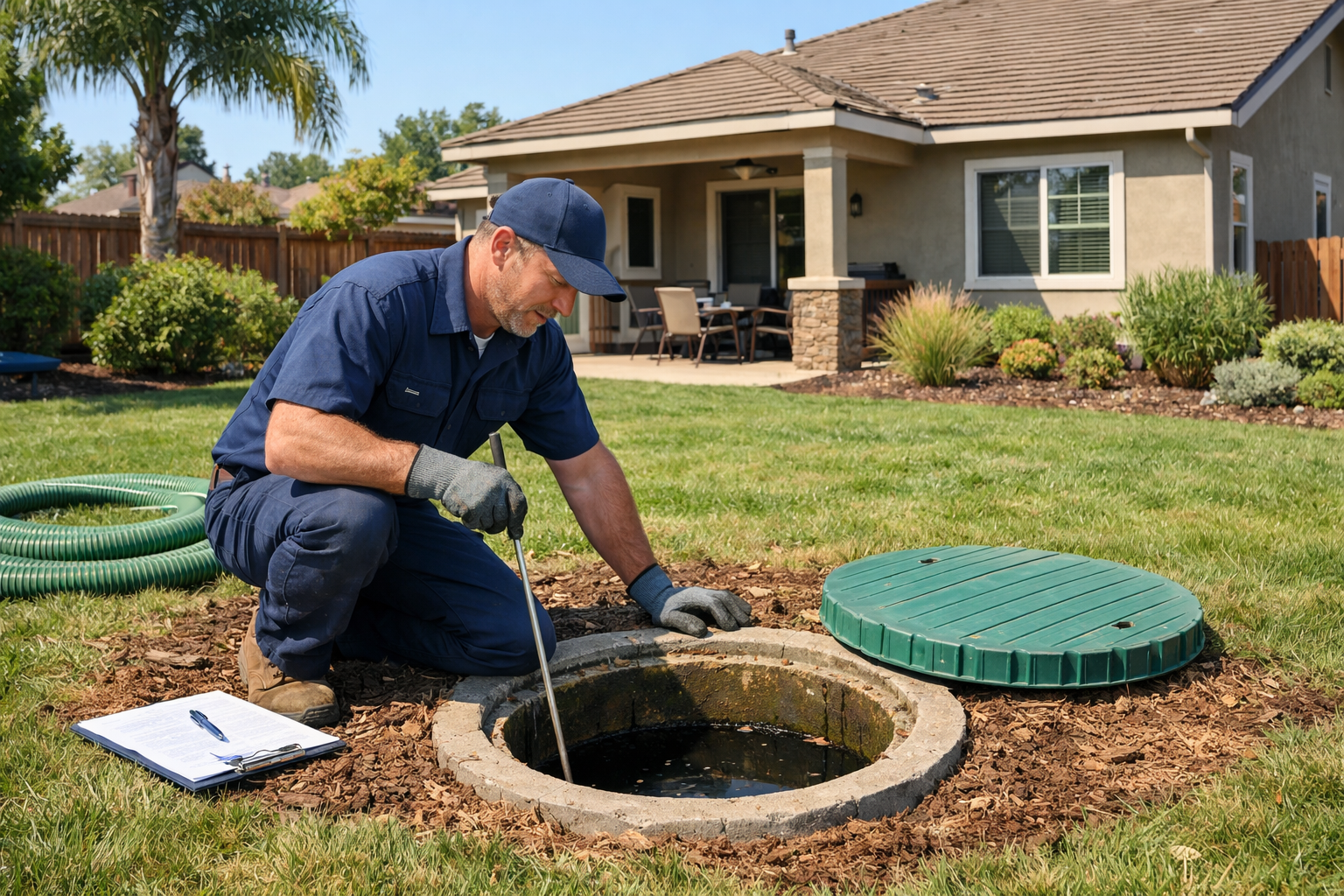
Why Septic Treatments Matter for Long-Term System Health
If you rely on a septic system, you already know one thing. When it works, you do not think about it. When it does not, everything stops. Slow drains, unpleasant odors, soggy patches in your yard, and backups are not just inconveniences. They are warning signs that your system needs attention.
For homeowners in Sacramento, septic systems face unique challenges. Soil composition, seasonal groundwater changes, and water usage patterns all influence how well a system performs. Because of these local conditions, choosing the best septic treatment Sacramento homeowners can rely on matters more than many people realize.
The challenge is confusion. Hardware stores and online marketplaces are filled with products claiming to be the best septic treatments available. Some promise you will never need septic tank pumping again. Others claim to rebuild a failing system in days. Unfortunately, many of these claims are misleading, and some septic tank treatments can cause long-term damage if used incorrectly.
This guide clears up the confusion. You will learn what septic treatments actually do, which options are worth considering, and how to choose the best septic treatment in Sacramento based on real-world system behavior rather than marketing hype. You will also learn when treatments help, when they do not, and how professional septic system maintenance fits into long-term system health.
By the end of this article, you will have a clear and practical plan to protect your septic system, prevent septic system problems, and avoid expensive repairs.
Understanding What Septic Treatments Actually Do
Septic systems rely on natural biological processes. Inside the tank, bacteria break down organic waste, separate solids, and allow treated wastewater to exit safely into the drainfield. When this balance is disrupted, problems begin to develop.
Septic treatments are designed to support or influence these biological processes. However, not all septic system care products work the same way, and not every system needs them. Used correctly, septic treatments can support efficiency. Used incorrectly, they can create a false sense of security while serious issues continue to worsen underground.
Appropriate septic treatments may help with supporting bacterial activity, reducing organic solid buildup, improving internal flow efficiency, and assisting with septic treatment for odor control when used in the right situations.
What septic treatments do not do is equally important. They do not remove sludge from your tank. They do not repair broken pipes. They do not correct drainfield failure. These limitations are critical to understand, especially for Sacramento homeowners dealing with clay-heavy soils and seasonal groundwater changes.
Septic treatments should always be viewed as supportive tools rather than replacements for pumping, inspections, or professional care.
Types of Septic Treatments Explained Clearly
Choosing the best septic treatment Sacramento homeowners should consider starts with understanding the main treatment categories and how they work.
Bacterial Septic Treatments
Bacterial treatments introduce live bacteria strains into the tank to help break down organic waste. These products are commonly referred to as septic bacteria treatment options.
They can be helpful after septic tank pumping, periods of heavy water usage, or events that disrupt natural bacterial levels such as antibiotic use. When used correctly, bacterial treatments may help restore balance inside the tank.
However, bacterial treatments will not fix mechanical issues, collapsed lines, or drainfield saturation. They work best as occasional support rather than as a routine monthly habit.
Enzyme-Based Septic Treatments
Enzyme treatments are designed to break down specific materials such as grease, fats, and paper. While enzymes can liquefy solids, they do not remove them from the system.
This can create a risk. Liquefied solids may exit the tank and enter the drainfield, where they can clog soil pores and accelerate drainfield failure. For this reason, many professionals caution against enzyme-only septic tank treatments.
Chemical Septic Additives
Chemical additives often promise rapid results, complete odor elimination, or permanent solutions. These products may contain acids, solvents, or antibacterial agents.
Although they may create short-term changes, they often damage beneficial bacteria and can harm the drainfield. Chemical additives may also contaminate groundwater. Most septic professionals advise avoiding chemical septic treatments entirely.
Natural and Organic Bacterial Supplements
Natural bacterial supplements avoid harsh chemicals and focus on supporting the biological processes already present in the system. These are often the safest option when septic treatment is appropriate.
For Sacramento homeowners focused on long-term system health, natural septic treatments are generally preferred over aggressive chemical solutions.
When Septic Treatments Actually Make Sense
Not every septic system needs treatment. Many healthy systems function properly for years without any additives. The key is understanding when treatments help and when they are unnecessary.
After Septic Tank Pumping
Septic tank pumping removes accumulated solids, which is essential for system longevity. It also reduces bacterial populations. In some cases, adding a bacterial treatment after pumping can help reestablish balance more quickly.
Homeowners who recently scheduled professional septic tank pumping in Sacramento may benefit from a one-time bacterial supplement depending on household usage.
After Antibiotic or Chemical Exposure
Heavy antibiotic use, frequent antibacterial cleaners, or bleach-heavy cleaning routines can disrupt bacterial activity inside the tank. In these situations, a carefully selected septic bacteria treatment may help restore microbial balance.
Seasonal or Low-Use Properties
Vacation homes or properties with intermittent occupancy may benefit from occasional bacterial support. Systems that sit idle for long periods can lose bacterial activity, leading to odors or slow drainage when use resumes.
This scenario is common for rural Sacramento properties and secondary residences.
When Treatments Do Not Help
Septic treatments will not resolve backups, broken pipes, root intrusion, or drainfield failure. In these cases, relying on additives can delay necessary repairs and increase long-term damage.
When symptoms persist, professional evaluation is always the safer choice.
Best Septic Treatment Sacramento Homeowners Should Choose
There is no single product that works best for every home. The best septic treatment for Sacramento homeowners depends on system age, water usage, soil conditions, and maintenance history.
For most households, septic professionals recommend focusing on additive-free systems supported by routine pumping and inspections. Natural bacterial treatments should only be used when there is a clear reason. Chemical and enzyme-only products should be avoided. Inspections should always take priority over additives.
Sacramento’s soil composition and groundwater fluctuations make proper septic system maintenance more important than treatment reliance. Treatments should support your system, not replace professional care.
Practical Applications for Sacramento Septic Systems
A typical Sacramento family home with consistent water usage and routine pumping every three to five years often does not need septic treatments at all. In these cases, systems remain healthy through responsible use and professional oversight.
Rural properties with irregular occupancy, heavy laundry cycles, or older plumbing may benefit from occasional bacterial support after pumping. When treatments are used strategically rather than continuously, homeowners often report improved flow consistency and reduced odors.
For aging systems, professional evaluation is far more valuable than additives. Services such as tank locating and outlet baffle replacement help prevent failures that no treatment can correct.
The most important takeaway is that septic treatments work best as part of a broader maintenance strategy, not as a standalone solution.
Septic System Maintenance Is More Important Than Any Treatment
Even the best septic treatments cannot replace proper septic system maintenance. Maintenance is what protects your investment and extends system lifespan.
Key maintenance practices include regular septic tank pumping, responsible water use, limiting harsh chemicals, protecting the drainfield from compaction, and scheduling inspections when warning signs appear.
Upgrades such as septic risers and lid installation make routine maintenance easier and reduce the risk of missed service.
For properties with lift stations, lift station pumping is essential and cannot be replaced by septic treatments.
Prevent Septic System Problems Before They Start
The most effective way to prevent septic system problems is proactive care rather than reactive treatment.
Avoid flushing non-biodegradable items. Limit grease and food waste. Spread laundry loads throughout the week. Keep vehicles and heavy equipment off the drainfield.
For buyers and sellers, a real estate septic system inspection with a full report provides clarity and prevents costly surprises.
If you notice recurring odors, slow drains, or pooling water, avoid relying on additives. These may be early signs of system stress. Professional evaluation is the best next step.
For additional insight, review this guide on septic system failure in Sacramento and the warning signs homeowners should never ignore.
Septic Treatment Tips and Common Mistakes
Many septic issues start with good intentions but poor information. Avoid common mistakes by choosing function over marketing claims, avoiding products that promise permanent solutions, using treatments sparingly, limiting harsh household chemicals, scheduling routine pumping, and seeking professional advice when unsure.
Septic system care products should support a healthy system, not replace proper maintenance.
Final Thoughts on Septic Treatments and System Health
Choosing the best septic treatment Sacramento homeowners can trust is not about finding a miracle product. It is about understanding how your system works, recognizing when treatments help, and prioritizing long-term septic system maintenance.
Many septic systems operate perfectly without any additives. In these cases, routine pumping, responsible water use, and timely inspections are the most effective approach.
When treatments are appropriate, natural bacterial options used strategically are typically the safest choice. Chemical shortcuts often create bigger problems over time.
If you are unsure what your system needs, professional guidance is the smartest step forward. Blue Ribbon Septic helps Sacramento homeowners protect their systems with honest recommendations, thorough inspections, and maintenance-first service.
A healthy septic system is not accidental. It is maintained.
Frequently Asked Questions About Septic Treatments
Is septic treatment necessary for every system?
No. Many properly maintained systems do not require additives. Regular pumping and inspections are often sufficient.
How often should septic treatments be used?
Only when needed, such as after pumping or chemical exposure. Routine monthly use is rarely recommended.
Can septic treatments replace pumping?
No. Septic treatments cannot remove solids from the tank. Pumping is essential for long-term system health.
Are natural septic treatments safer?
Generally yes. Natural bacterial treatments are safer than chemical additives when used correctly.
What septic treatments should Sacramento homeowners avoid?
Avoid chemical-based and enzyme-only products that claim to eliminate maintenance or repair needs.


