
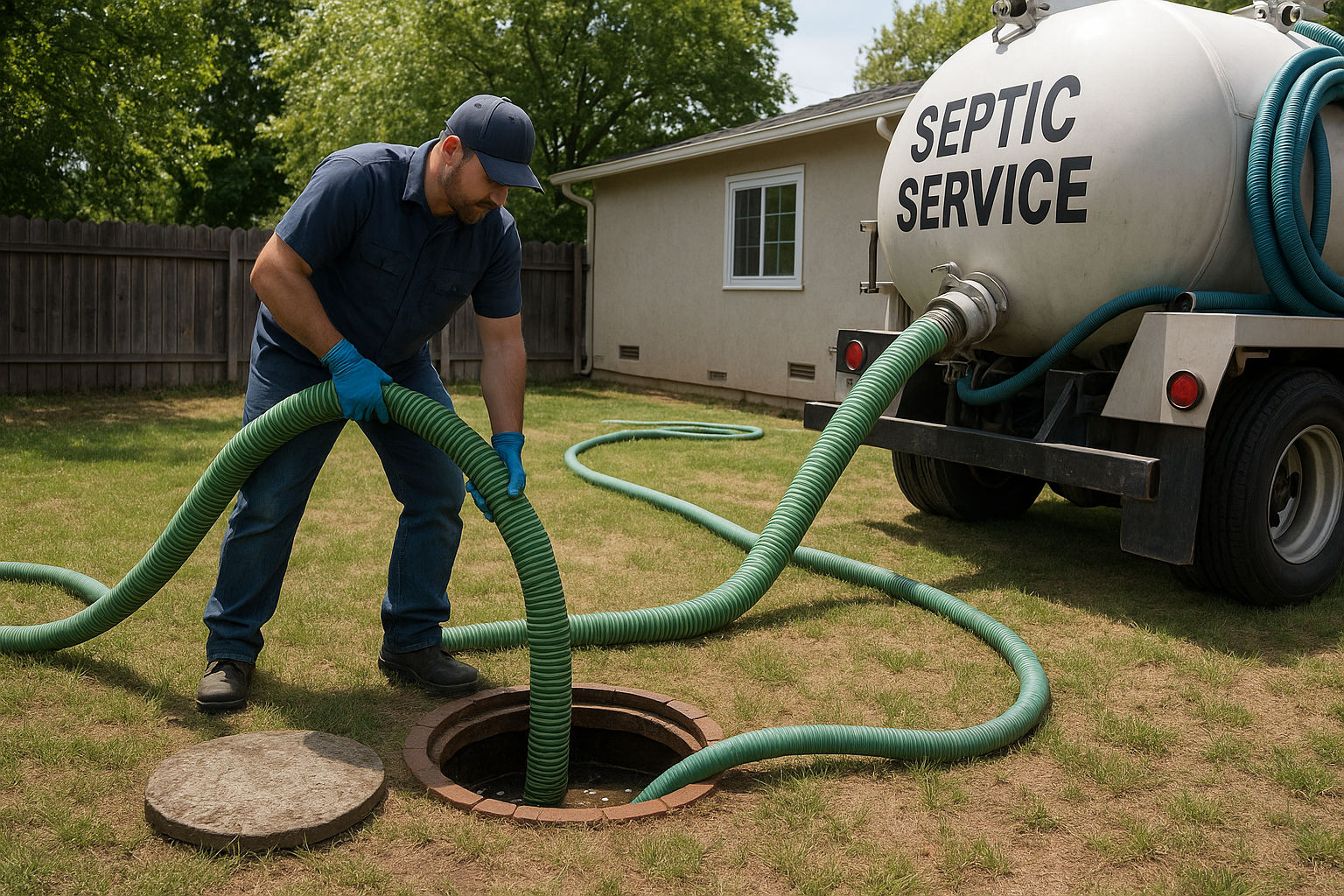
How Often Should You Schedule Septic Tank Pumping in Sacramento?
If you’ve ever wondered how often you should schedule septic tank pumping, you’re not alone. Many Sacramento homeowners aren’t quite sure when their system needs service until trouble appears, and by then, the fix is usually more stressful and expensive. It’s easy to forget about what’s happening underground, yet your septic system plays a huge role in keeping your home safe, sanitary, and running smoothly.
The challenge is that every household is different. Family size, water usage, tank size, and soil conditions all influence how often maintenance is required. Letting the tank go too long without pumping can lead to backups, foul odors, soggy drainfields, and costly repairs that could have been avoided with a simple service appointment.
In this article, you’ll learn exactly how often a septic tank should be pumped, the signs to look out for, and how regular maintenance keeps your property protected. We’ll also explore local Sacramento considerations and practical tips to extend the life of your system.
Let’s break it down step by step so you can make confident, informed decisions about your septic system.
Why Regular Septic Pumping Matters for Homeowners
Understanding why septic pumping matters makes it easier to stick to a schedule. Your septic tank is constantly separating wastewater into three layers: solids, liquids, and scum. Over time, solids build up. If they aren’t removed, they overflow into the drainfield and cause expensive damage.
Regular pumping matters because it:
• Prevents backups and sewage odors in your home
• Protects your drainfield from costly failure
• Extends the life of your entire system
• Supports proper wastewater treatment and household safety
Guidance from the EPA reinforces that consistent maintenance is essential, not optional, for system longevity.
One misconception is that large tanks don’t need frequent service. But even big tanks fill quickly when homes have multiple residents or high water usage. This leads us to understanding how often to empty a septic tank based on your household’s unique needs.
How Often Should You Pump Your Septic Tank?
How Household Size Influences Pumping Frequency
Your household size directly affects septic tank pumping frequency. More people means more showers, more laundry, more toilet flushes, and more wastewater entering the system. The tank fills with solids faster, and pumping must happen more often.
For example, a family of five may need pumping every 1 to 2 years, while a single homeowner could go 4 to 5 years. Seasonal increases in usage, such as hosting guests, also shorten pumping intervals.
Pro Tip: If you frequently host gatherings, your pumping schedule should be more conservative.
How Tank Size Determines Your Maintenance Interval
Tank size plays a major role in how often you should schedule septic tank pumping. Larger tanks hold more waste, but Sacramento properties vary widely, especially older homes with smaller tanks.
Common tank sizes include:
• 500-gallon tanks, which often require yearly service, raising questions like how often should a 500-gallon septic tank be pumped
• 1,000-gallon tanks, typical for three-bedroom homes, prompting homeowners to ask how often to pump a 1000 gallon septic tank or how often should the septic tank be emptied
If you don’t know your tank size, a professional inspection can determine capacity and fill levels. This allows for accurate planning and prevents unexpected overflows.
Pro Tip: When buying a home, ask for past septic maintenance records to learn historical usage patterns.
How Water Usage Habits Affect System Longevity
Your daily water habits influence how often a septic tank should be pumped. The tank needs consistent time to separate solids and liquids. When large volumes of water enter quickly, the system struggles to keep up.
Long showers, back-to-back laundry loads, or running multiple appliances at once can shorten your pumping intervals. Simple changes like fixing leaky fixtures or installing high-efficiency appliances help preserve your system.
Pro Tip: Spread laundry loads throughout the week for better balance.
How Sacramento Soil and Climate Affect Your Schedule
Sacramento’s clay-heavy soil and hot summers create unique challenges. Clay drains slowly, meaning your drainfield must be protected from solids at all costs. Pumping regularly becomes even more important.
During dry seasons, hardened soil may reduce effluent absorption. Homes in flood-prone zones or rural areas may also require more frequent inspections.
Pro Tip: Schedule pumping before peak summer to keep your system running efficiently.
How Warning Signs Show When Pumping Is Overdue
Most homeowners don’t schedule pumping until symptoms appear, but these usually mean the tank is already overdue. Warning signs include:
• Slow drains
• Gurgling plumbing
• Sewage odors
• Wet or soggy drainfields
If any of these appear, pumping should be scheduled immediately.
Pro Tip: Mark a yearly reminder to visually inspect the tank area and drainfield.
Real-Life Examples of Septic Schedules in Sacramento
Case 1: Family of Four in Elk Grove
This family experienced slow drains every two years. After adopting a consistent two-year pumping routine, they eliminated backups and prevented a $6,000 drainfield replacement.
Case 2: Retired Couple in Folsom
With low water use and a 1,200-gallon tank, this couple pumps every four years. Low-flow fixtures and mindful habits keep solid levels low.
Case 3: Rental Property in Citrus Heights
Rotating tenants created unpredictable water usage. Pumping every 18 months has prevented costly repairs and improved system performance.
Each home has different needs, reinforcing that pumping schedules must be tailored.
Best Practices for Maintaining a Healthy Septic System
These habits help reduce how often you empty a septic tank while keeping the system healthy.
• Avoid flushing anything except waste and toilet paper
Non-biodegradable items cause buildup and blockages even if labeled flushable.
• Space out water-heavy tasks
This gives your tank time to separate wastewater effectively.
• Use septic-safe cleaners
Harsh chemicals kill beneficial bacteria essential for waste breakdown.
• Schedule annual inspections
Even if pumping isn’t due, inspections help detect early issues. Homeowners rely on professional septic inspections to assess system health.
• Keep your drainfield protected
Avoid driving, planting trees, or placing heavy items on top of it.
For DIY care tips, homeowners often use resources like this septic maintenance guide to stay proactive.
Keeping Your Septic System Healthy
Your septic tank is one of the most important systems on your property, and staying proactive with septic tank pumping is the best way to protect it. Following a consistent schedule, watching for warning signs, and maintaining healthy water habits all help prevent costly repairs.
If you need professional support, services such as septic tank cleaning and pumping, lift station servicing, septic riser and lid installation, and tank locating and baffle replacement help ensure your system stays in top condition.
Frequently Asked Questions
1. How often should a septic tank be pumped in Sacramento?
Most homeowners should pump every 2 to 3 years, though high-usage homes may require annual service. Factors like tank size and lifestyle determine how often you empty a septic tank safely.
2. What are the signs my septic tank needs pumping?
Common signs include slow drains, odors, gurgling, backups, or wet patches near the drainfield.
3. How much does septic pumping cost in Sacramento?
Most homeowners pay $350 to $650 depending on tank size, access, and buildup. Pricing tools like HomeAdvisor provide helpful cost comparisons.
4. Can I go too long without pumping my septic tank?
Yes. Waiting too long can cause solids to enter the drainfield, leading to failures costing $5,000 to $15,000.
5. What affects how often my septic system needs service?
Household size, tank capacity, water usage, soil conditions, and habits all influence how often should you empty a septic tank.


